
Last updated November 15, 2026
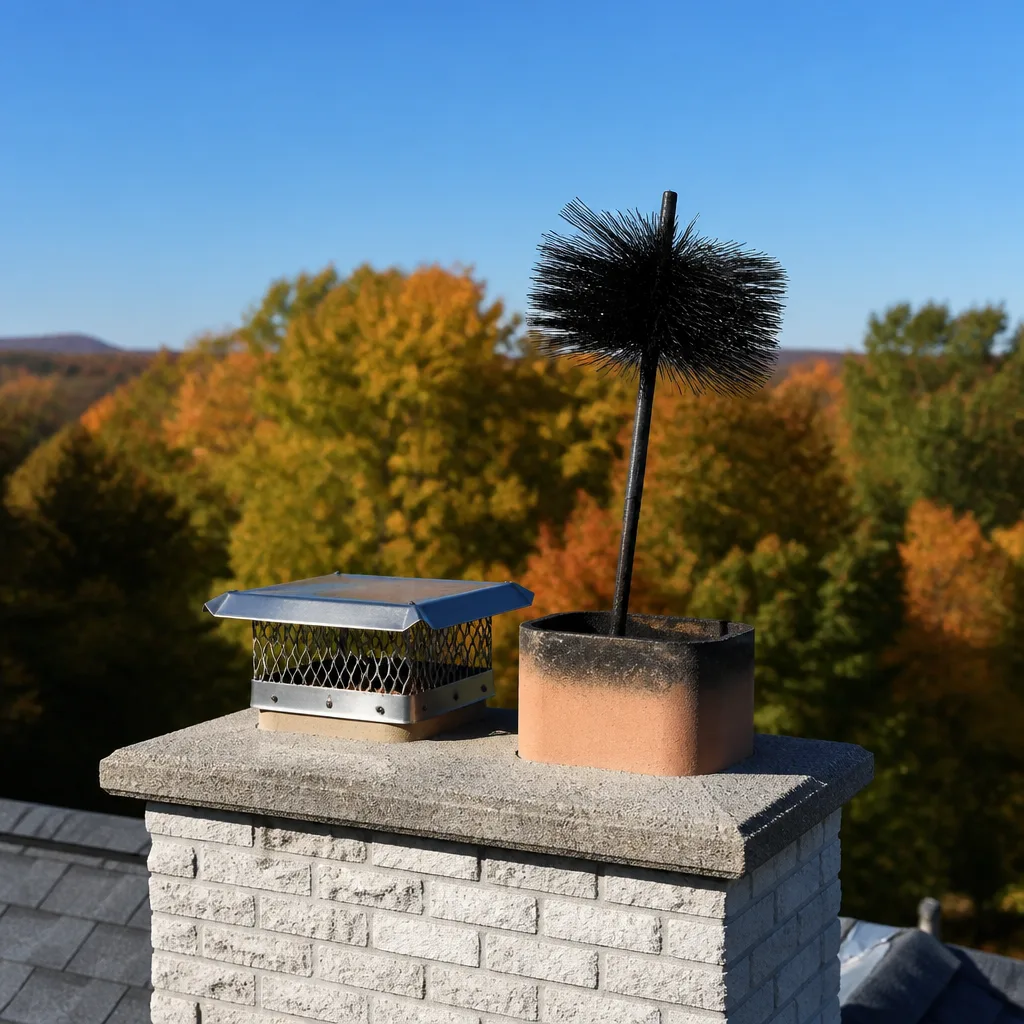 Sweep & inspection
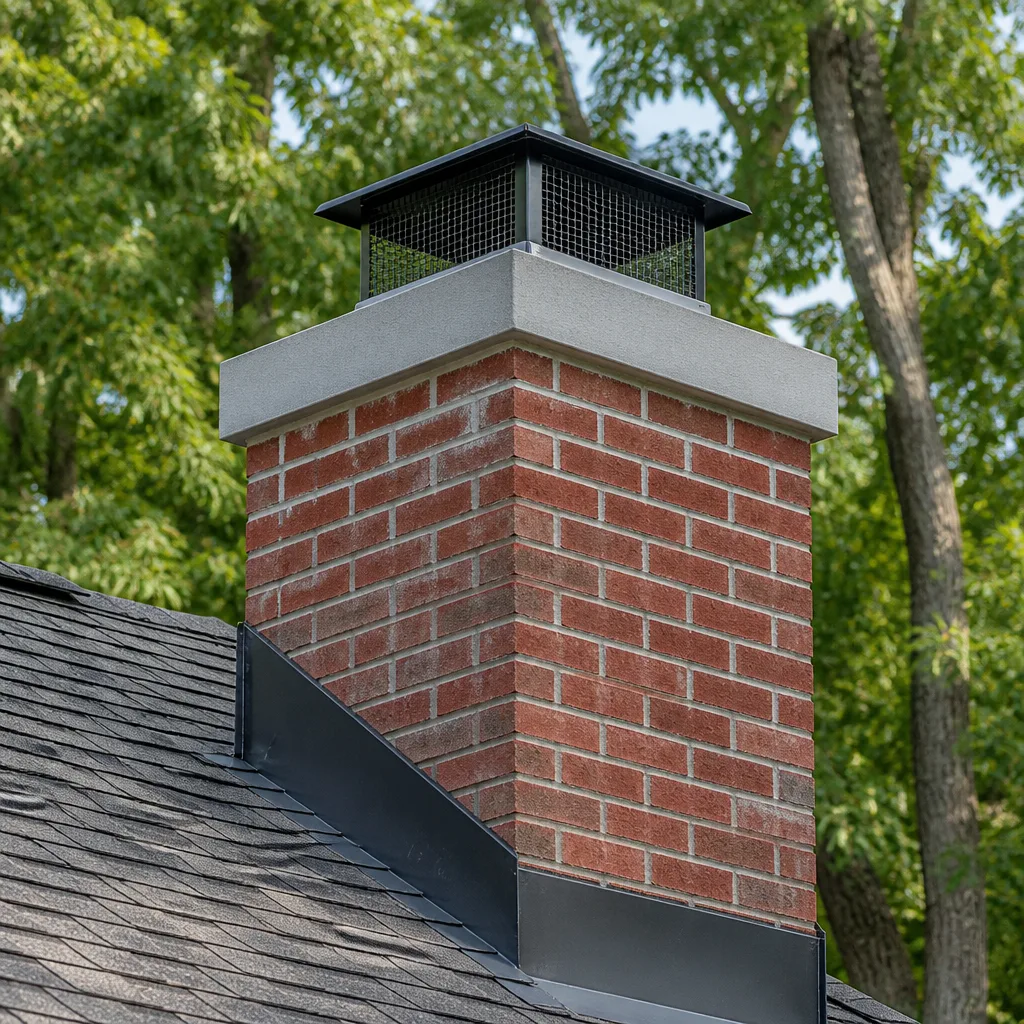 Caps & crowns
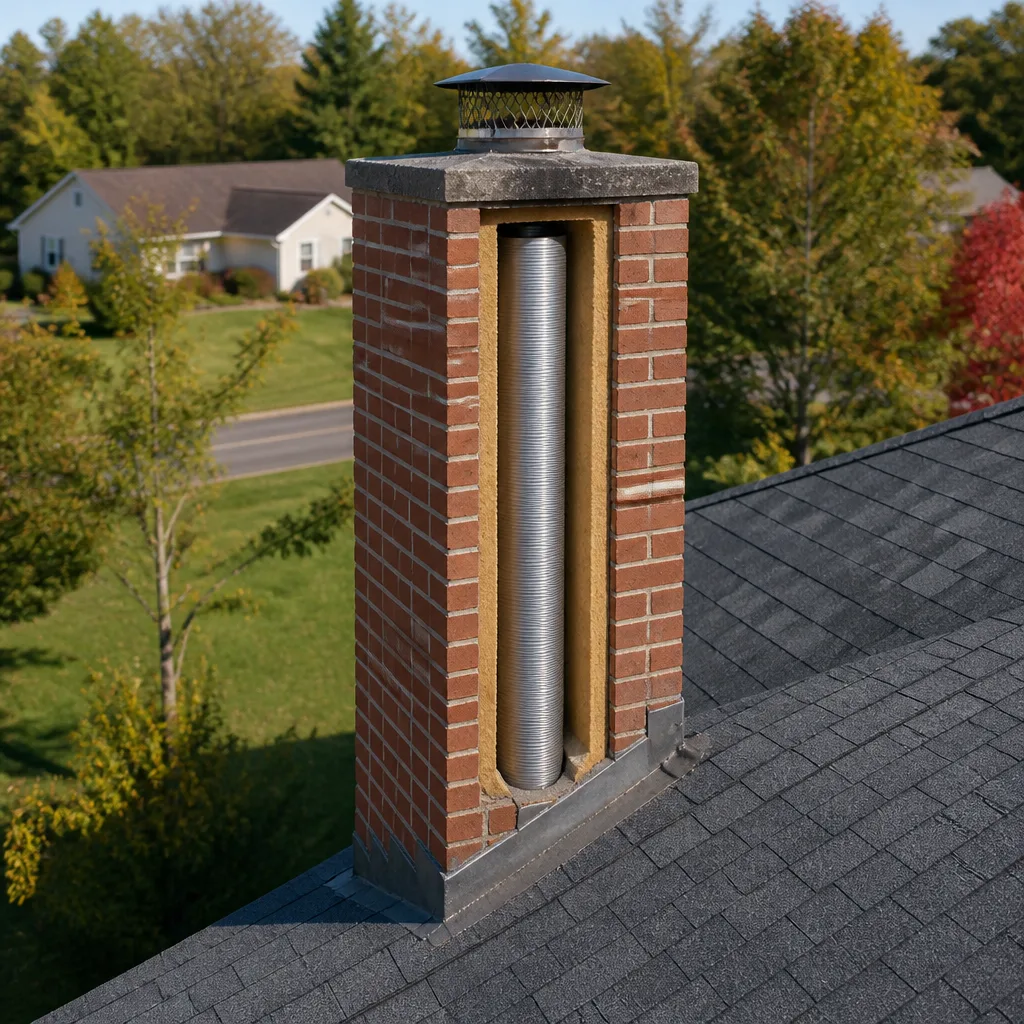 Flue relining
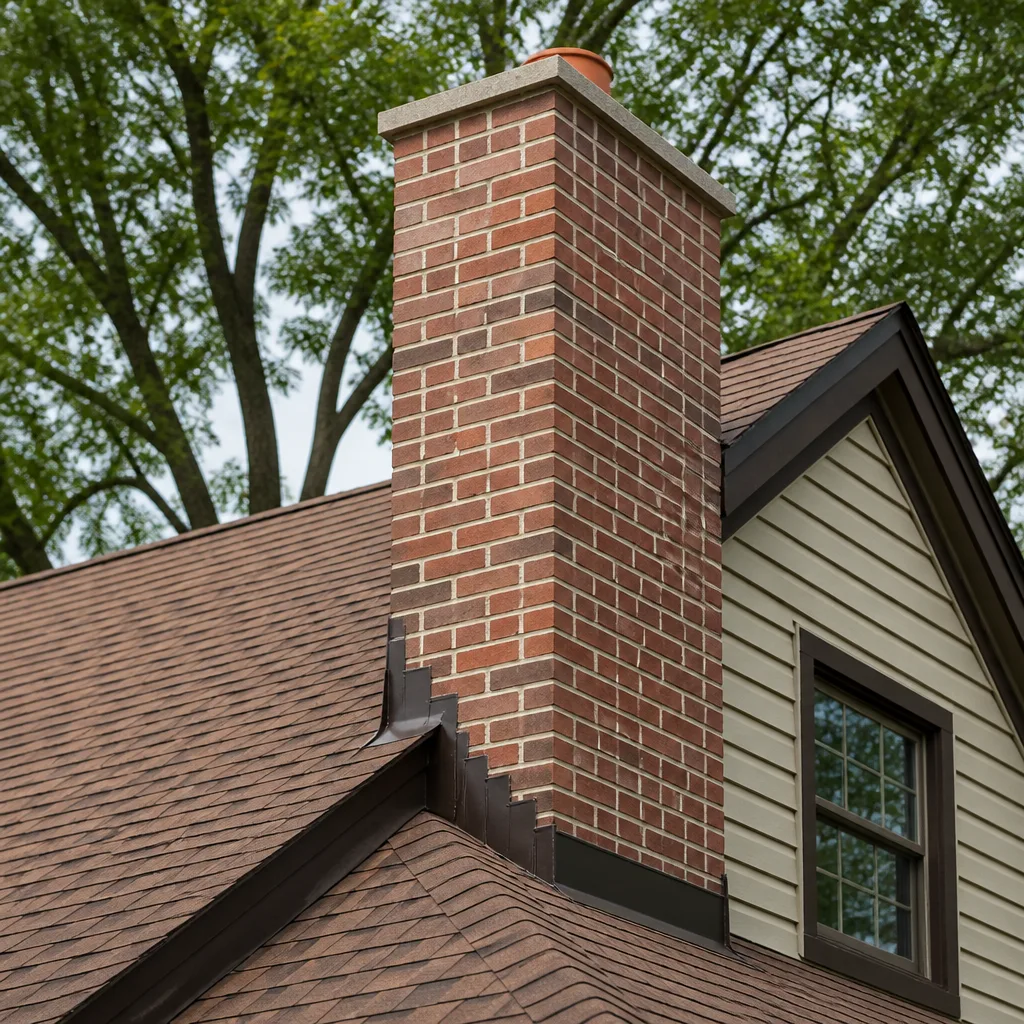 Masonry repair
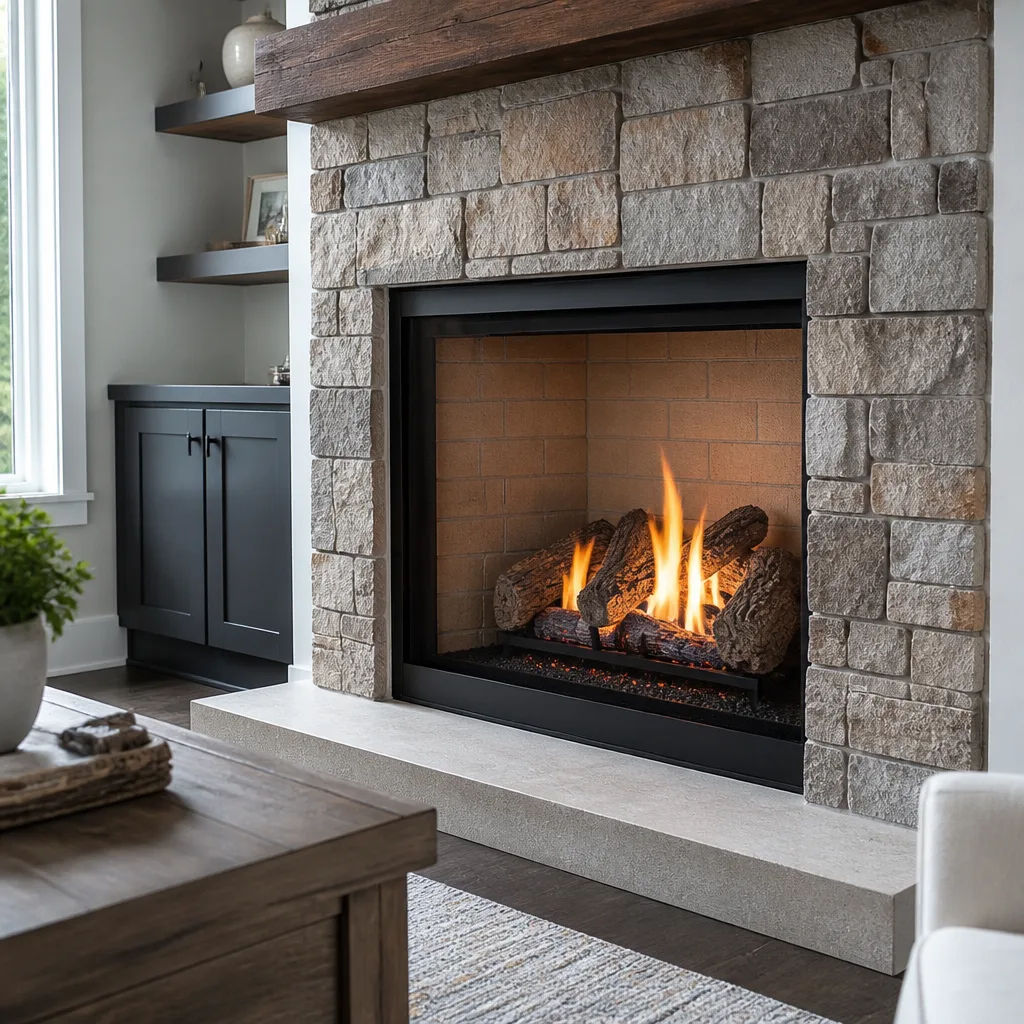 Gas fireplace service
Level 1 sweep and inspection to the NFPA 211 annual standard - flue, crown, cap, and flashing checked and photographed
Chimney sweep logs do not sweep chimneys. They loosen some creosote - which then falls where a brush and vacuum still have to collect it.
The Complete Guide to Chimney Cleaning in Concord
A Level 1 inspection without a proper sweep beforehand is like getting an oil change with the old filter still in. The technician is working blind, and so is the report you’re handed. Most homeowners in Concord treat chimney cleaning as a single annual task to cross off a list, but the work is really a system: sweep, inspect, repair, repeat. Each step depends on the one before it, and skipping one quietly undermines the rest. This guide maps that full cycle from start to finish, so you know exactly what you’re buying, why the order matters, and how to tell a real service from a cheap one.
Quick Answer
Chimney cleaning in Concord means more than brushing a flue. It’s a three-part cycle: a chimney sweep to remove creosote and soot, a CSIA-level inspection to document the flue’s condition, and repair work when the inspection finds a problem. The sweep always comes first, because an inspector can’t judge a liner clogged with creosote. Most homes need sweeping and a Level 1 inspection together once a year, with a Level 2 inspection at any change of ownership, fuel type, or after a chimney fire.
Styles & brands we work with
- Sweep & inspection
- Caps & crowns
- Flue relining
- Masonry repair
- Gas fireplace service
Table of Contents
- Why Chimney Cleaning Is Three Services, Not One
- Sweeping and Inspecting Are Separate – Here’s Why Both Matter
- The Three Stages of Creosote and How Each One Changes the Cleaning
- The Three CSIA Inspection Levels and Which One You Need
- How Concord’s Housing Mix Changes the Cleaning Approach
- Name-Brand Liner Systems Versus Generic Materials
- How a Thorough Chimney Sweep Actually Works
- Reading the Inspection Report: When to Repair, When to Wait
Why Chimney Cleaning Is Three Services, Not One
The trade splits chimney work into three distinct services, and each one answers a different question. A sweep gets the flue clean. An inspection tells you what condition it’s in. Repair fixes what the inspection found. When one company does all three, the process runs as a single cycle. When it doesn’t, the homeowner gets stuck in the gap between them.
There’s a common problem in Concord and everywhere else: a sweep company comes out, cleans the flue, spots cracked mortar or a failing liner, and then tells the homeowner they can’t fix it. The homeowner is left with a diagnosis and no plan, calling around for a second contractor who has never seen the inside of that chimney. Information gets lost, quotes drift, and the repair gets delayed while the fireplace sits unused.
The other direction has its own problems. A repair contractor who doesn’t sweep arrives at a flue packed with soot and can’t bond new materials to a dirty surface. Our position is that the sweep, the inspection, and the repair all belong to the same trained hands in the same sequence. One company handles the sweep, spots the problem, and makes the repair. Nothing falls through the gap between contractors because there isn’t one.
If your chimney needs repair rather than a routine sweep, our chimney repair work covers the liner, crown, cap, and flue components as one job, so the person who documents the problem is also the person who fixes it.
Sweeping and Inspecting Are Separate – Here’s Why Both Matter
These two get lumped together constantly. They’re different services, often billed separately and requiring different training. A sweep is manual labor with a specific outcome: the flue is clean. An inspection is a diagnostic assessment with a different outcome: a report on the condition of the chimney system, from the firebox up through the cap.
Why does the distinction matter? Because a technician inspecting before sweeping is looking through a layer of creosote. Cracks in clay tile, gaps in joints, and liner deterioration all hide under that coating. An inspection done on a dirty flue isn’t just less accurate, it can miss the exact defects that cause a chimney fire. This is why any inspector worth hiring sweeps first.
- Sweep first, inspect second. The clean flue reveals what’s actually there.
- Inspection scopes the repair. Without it, any repair quote is a guess.
- Repair closes the loop. The cycle is complete only when the fault found is the fault fixed.
When a contractor quotes a sweep with no inspection attached, ask what happens if a defect shows up. The right answer is: we document it, show you the photos, and we’re the ones who can fix it. A sweep that skips the inspection isn’t a discount. It’s half the job. When we book a sweep, the inspection is built in, so the report you get reflects a clean flue and a technician who was actually looking.
The Three Stages of Creosote and How Each One Changes the Cleaning
Creosote is the residue that forms when wood smoke cools as it rises up the flue. What most homeowners don’t know is that it forms in three distinct stages, and each stage demands different cleaning tools and methods. The stage determines whether a standard sweep works or whether the job is bigger than that.
Stage 1 creosote is a light, flaky, soot-like deposit. It looks like fine dust packed into the flue walls. Standard brush work removes it without much trouble, and it’s what you’ll see in a well-maintained chimney that gets swept on a routine schedule. This is the good outcome. It means the prior cleanings were done on time.
Stage 2 creosote is darker and denser. It forms a glossy, crusty layer that clings to the flue tile, and a simple brush often scrapes over it instead of removing it. Stage 2 requires rotary tools, scrapers, or chemical treatment to break the crust loose. When we find stage 2, we use the appropriate tooling rather than calling a partial scrape “clean” and moving on.
Stage 3 creosote is the dangerous one. It’s a hard, glazed deposit that looks almost like tar and is highly flammable. It’s often the result of a chimney that hasn’t been cleaned in years, or one running under conditions that keep the smoke cool. Stage 3 requires aggressive mechanical removal, sometimes chemical pre-treatment, and a much longer job.
Why bring any of this up? Because two homeowners in Concord can both ask for “a chimney sweep” and need far different services. The stage of creosote is determined during the cleaning itself, and the method has to change to match. A company that only carries a brush is set up for stage 1 only. We bring the tools and materials for all three, so we don’t have to stop in the middle and book the job for another day.
The Three CSIA Inspection Levels and Which One You Need
The Chimney Safety Institute of America defines three inspection levels, and knowing which one applies saves you money and gets you the right answer. Here’s the practical breakdown:
Level 1 Inspection
This is the routine annual inspection, done on a chimney that’s in use and hasn’t changed. The technician visually inspects the readily accessible portions of the fireplace and flue, usually with a camera. It’s the standard inspection that pairs with an annual sweep. If you’ve owned the home for years, kept up with cleanings, and haven’t made any changes to the system, Level 1 is typically all you need.
Level 2 Inspection
A Level 2 inspection is required at any change of ownership, when a different fuel type is being used, after a chimney fire or earthquake, or whenever a Level 1 inspector finds a problem worth looking deeper into. It covers all the accessible portions of the chimney, including the attic and any concealed spaces, plus the video camera running the length of the flue. Most Concord home sales trigger one. If you’re buying a house, insist on Level 2 before closing. The flue inspection on video is what reveals liner damage the exterior never shows.
Level 3 Inspection
Level 3 is the deepest and rarest. It’s performed only when a Level 1 or Level 2 recommends it, and it may involve removing parts of the building to access concealed portions of the chimney. This is not a routine job and not one to schedule without a specific reason. When a Level 2 finds something the camera can’t fully explain, Level 3 is the next step.
Most Concord homeowners need a Level 1 with their annual sweep, a Level 2 at any sale or fuel change, and a Level 3 only when a prior inspection turned up something. If you’re unsure which one applies, that’s a short conversation, and our chimney sweep serves as the natural starting point because the inspection can’t be done properly on a dirty flue.
How Concord’s Housing Mix Changes the Cleaning Approach
Concord isn’t one kind of town. It’s a mix of older homes with masonry fireplaces built decades ago and newer construction with different flue assemblies. That mix means the cleaning approach changes from house to house, and the same sweep procedure won’t work across both.
Older homes around Concord often have clay tile liners, sometimes with offset flues where the chimney shifts as it rises. An offset flue can’t be cleaned with a straight brush on a fixed rod; the brush has to flex around the angle, and some rigid-only contractors simply turn those jobs away. Those also tend to be the homes where original clay tile has accumulated mortar joint gaps and cracks, exactly the defects a Level 2 catches. When we see a complex or offset flue, flexible tooling and flexible liner knowledge matter, which is where our DuraFlex work proves useful.
Newer builds often use metal flue assemblies with factory components. They’re clean and straightforward when new but require proper cap and venting maintenance as the years mount. Liner and cap performance depends on the system installed, and the difference between a professional-grade flue and a builder-grade one matters more on these homes than most owners realize.
The climate plays in too. Concord’s colder months run long, and a chimney that sits idle for months and then gets fired up hard in the fall rarely has the smooth draft you remember from last winter. The first fire of the season is when creosote that built up unseen over the previous cold months reveals itself, often as smoke rollback or a weaker draft. A cleaning done before the heating season starts is what keeps that transition smooth and keeps the annual cycle on schedule.
Name-Brand Liner Systems Versus Generic Materials
Here’s the part of a chimney repair quote most homeowners can’t read. When a sweep finds a deteriorated liner and recommends replacement or restoration, the quote usually says “liner replacement” and a number, with no mention of what material is going in. What’s behind those words matters, because the quality of the installed system determines how the next many years of use go.
Two approaches exist for a failing liner. The first is full replacement with a flexible stainless liner system. We install DuraFlex flexible liner systems because they’re built to handle complex and offset flue configurations that rigid liners can’t follow. That flexibility is what turns a job a rigid-only contractor would refuse into a straightforward installation.
The second approach is liner restoration, and it’s the option most basic sweep companies can’t offer. HeatShield is a ceramic restorative system that rebuilds the integrity of a deteriorated flue liner without full replacement. It’s applied to the interior of the flue, resealing a damaged liner from the inside. When the damage is moderate and properly assessed, restoration can save a homeowner from the full cost of replacement while restoring the liner’s function. Knowing which one your chimney needs is a diagnostic decision, not a sales pitch.
On the protection side, we work with Gelco and Olympia Chimney caps and covers. A cap is the single cheapest defense a chimney has against water intrusion and animal entry, and the ones that last are the professional-grade lines, not the thin sheet metal version. On venting components we also work with Famco and Copperfield product access, so a repair isn’t a patch made from whatever’s on the shelf.
The point is that the material determines the outcome. A repair backed by a named system means you know exactly what went into your chimney. A repair backed by an unnamed generic material means you don’t, and future inspection reports can’t tell you either.
How a Thorough Chimney Sweep Actually Works
Here’s what a proper sweep looks like when the whole cycle is done right:
- The firebox and surrounding floor get protected with drop cloths before any work starts. Soot travels.
- The technician inspects the interior with a camera to see what they’re dealing with, including the creosote stage, before choosing the tooling.
- The appropriate brushes, rods, and rotary or scraper tools are used to clean the full length of the flue, not just the firebox.
- A camera inspection is run from the top down after the sweep. The photos from this pass are the basis of the report.
- Any defects – cracked tile, gaps, liner deterioration, cap damage – are documented with photos the homeowner can see for themselves.
- The firebox and floor are cleaned and the area left as it was found before the work started.
A sweep that stops at step three is incomplete. The camera inspection after the sweep is where the actual value comes out. Every cleaning and inspection we do includes camera inspection and a photo report, so you see the condition of your own flue, not a summary in a technician’s notes. If a company inspects without showing you the footage, ask why.
One safety note worth stating plainly: chimney sweeping involves working at height and dealing with concealed flue defects. A homeowner should not attempt to clean or inspect a flue from the roof, and should never attempt to remove glazed creosote or apply liner repair materials without a trained professional. A chimney fire caused by stage 3 creosote is a serious hazard, and carbon monoxide from a failed liner is one you can’t see or smell.
Reading the Inspection Report: When to Repair, When to Wait
Not every finding on an inspection report needs an immediate repair. A technician with a real diagnostic eye and a repair capability will tell you which issues are urgent, which are medium-term, and which can safely wait. Here’s how to read what you’re given.
- Urgent. Cracked flue tile, failing liner, Stage 2 or 3 creosote with known flue damage, and a missing or broken cap. These are the findings that carry real fire or carbon monoxide risk and shouldn’t sit through the heating season.
- Scheduled. A worn crown, spalling masonry, and a cap that’s intact but past its prime. These aren’t dangerous tonight but get worse every wet season they survive.
- Monitor. Hairline surface cracks, minor erosion, and small creosote buildup that got caught early. Note them on the report and check again at the next annual inspection.
What makes the read trustworthy is the evidence behind it. Whenever we recommend work, we’re recommending it from camera evidence you can see with your own eyes. If your photos don’t match the recommendation, you should ask. And when a repair can safely wait, we’ll say so, because a proper inspection that says “check again next year” is doing its job. The concern with a cheap sweep isn’t that it costs less. It’s that the absence of the inspection means the findings you’d use to make a decision never get gathered in the first place.
Common Mistakes to Avoid
- Booking a sweep without an inspection. Half the job goes undone, and the flue condition stays a mystery until a problem forces itself into view. A sweep without an inspection is a cleaning, not a chimney service.
- Skipping the sweep before the inspection. An inspection on a dirty flue misses the exact defects a clean flue reveals. Your inspector should always sweep first.
- Assuming a cheap sweep cleared your chimney. If the quote was well below the norm in Concord, confirm before booking what the price includes. A brush-only sweep won’t remove stage 2 or stage 3 creosote, and you’ll be told “clean” when you’re not.
- Getting a repair quote that doesn’t name the product. “Liner replacement” without a material name is a mystery install. Ask what system is going in, either a DuraFlex flexible liner, HeatShield restoration, or another named line.
- Putting off the annual inspection through the buying or selling of a home. A sale is where defects surface. Get the Level 2 evaluation before closing, not after, when you own the repair bill.
- Ignoring the first fire of the season. The smoke rollback and weak draft you notice as the weather turns are usually the creosote from the prior season making its presence known. Deal with it before burning season, not after your first smoky evening.
- Letting one contractor diagnose and another repair. The gap between a sweeper who can’t fix and a repair contractor who never saw the flue is where repair costs quietly grow.
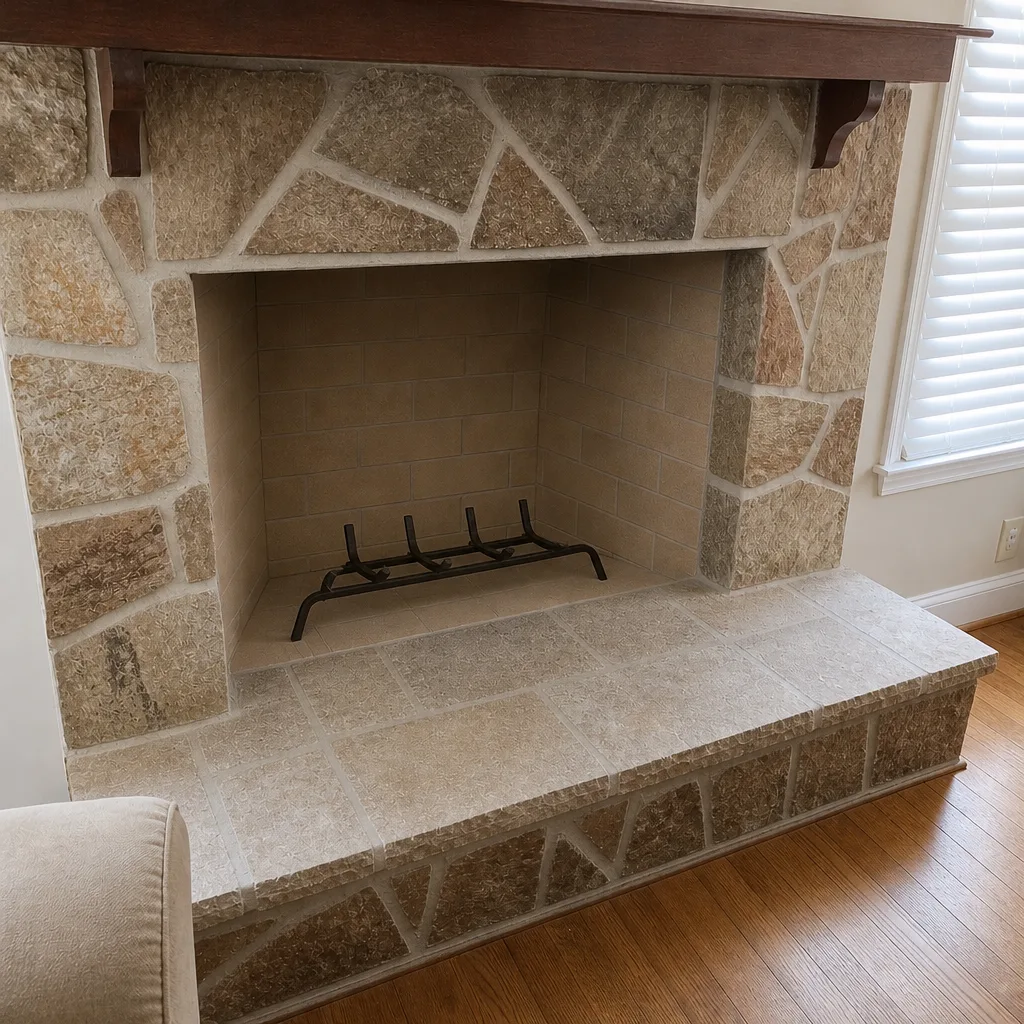
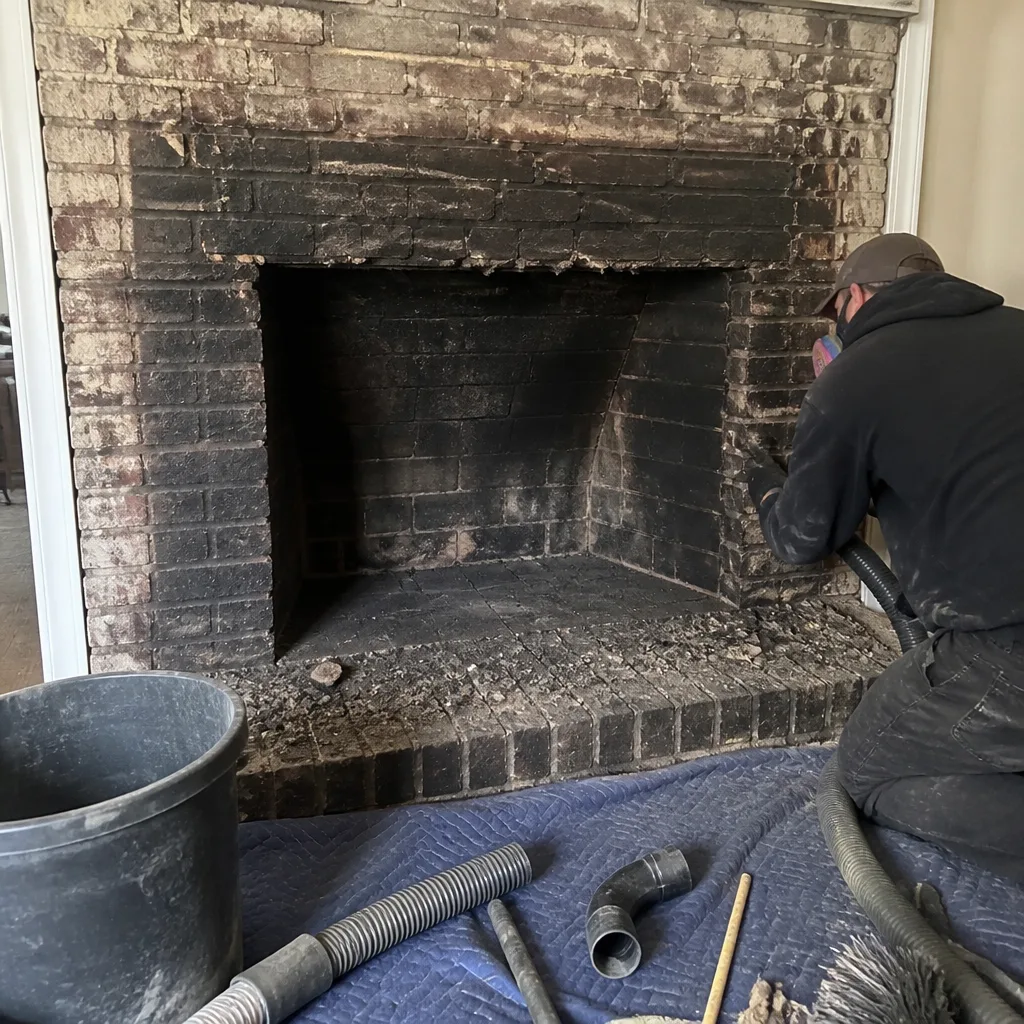
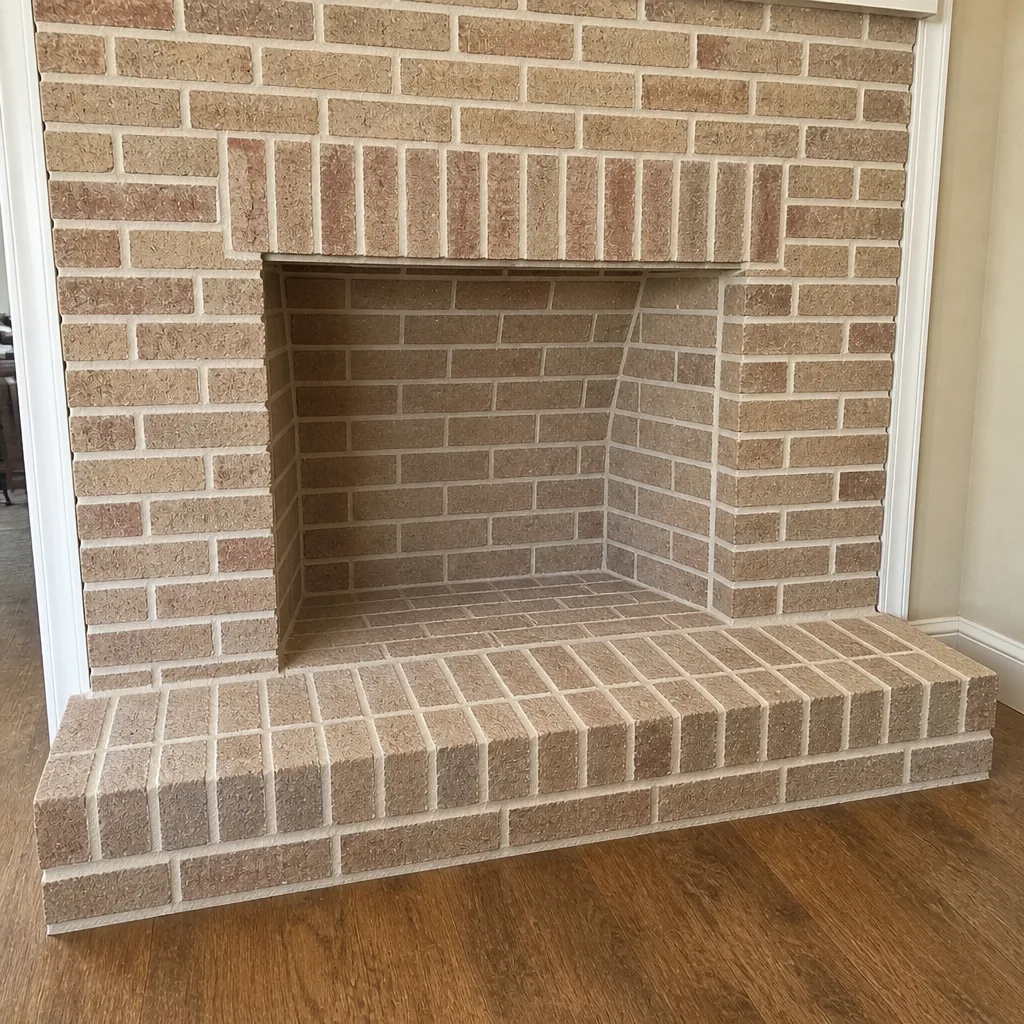
See the difference
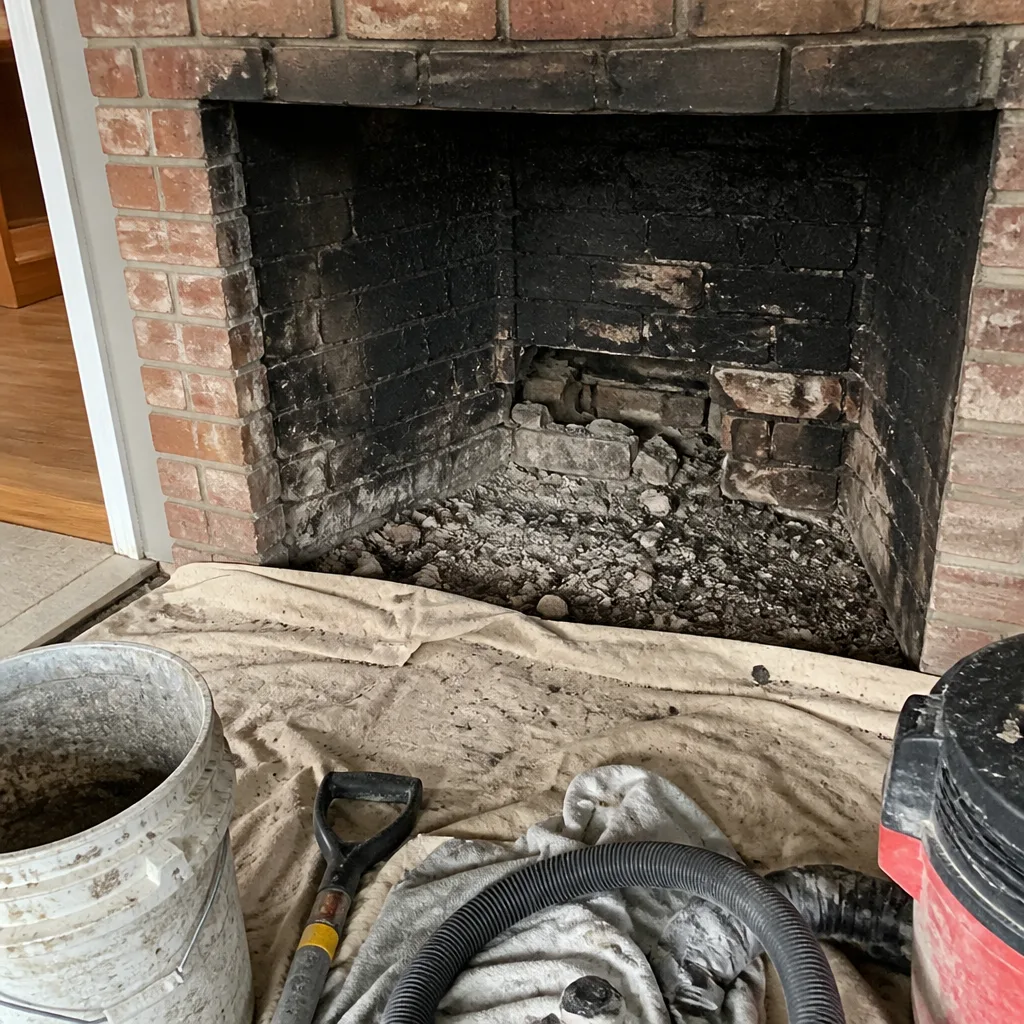 Before
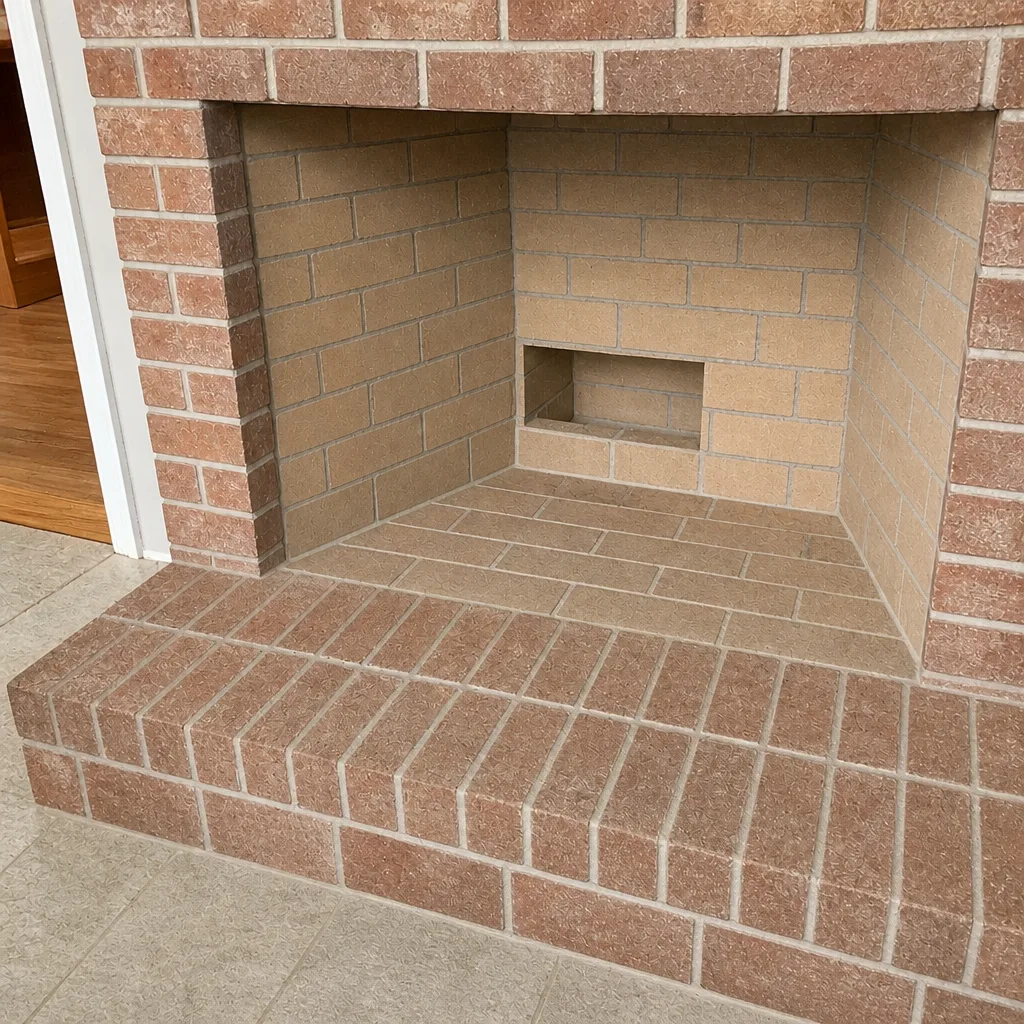 After
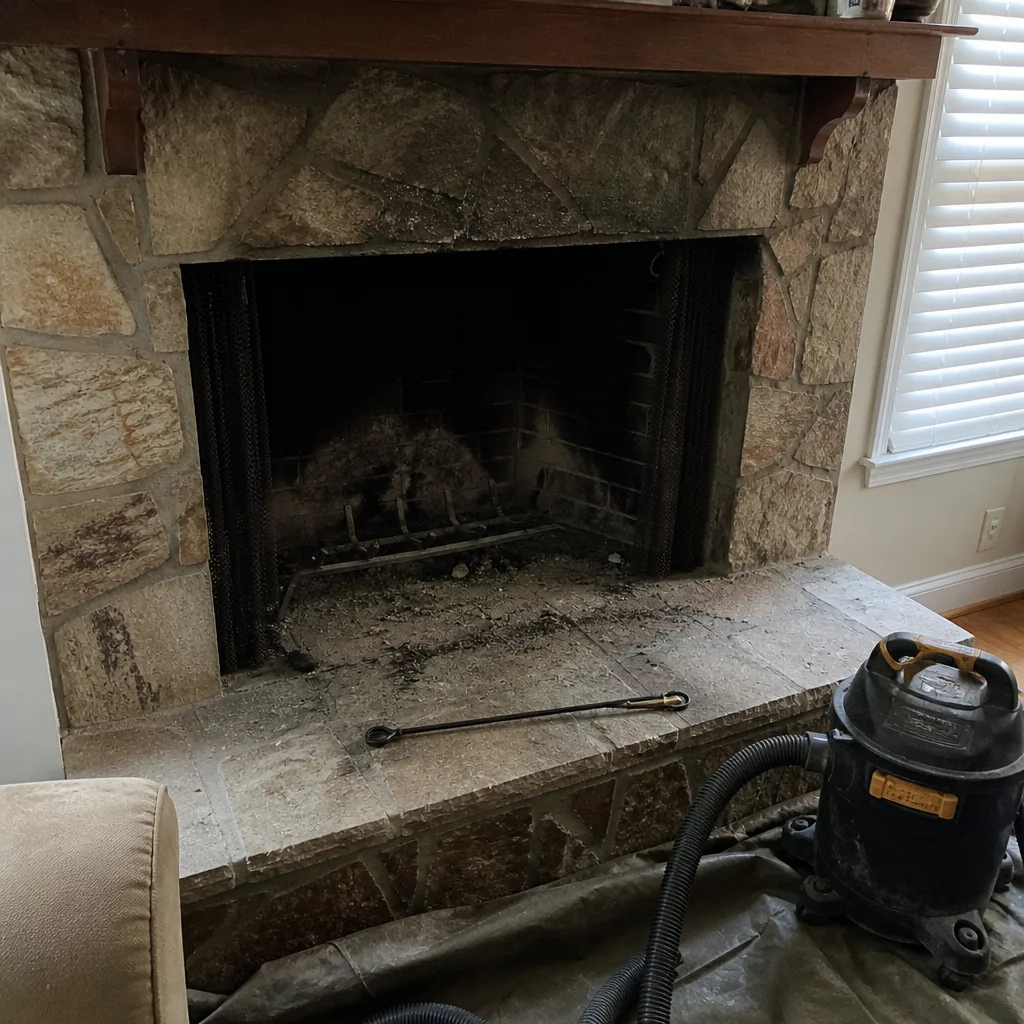 Before
 After
 Before
 After
When to Call a Professional
Call a professional when you notice any of the following: smoke rolling back into the room when the fire’s lit, a strong smoky smell even when the fireplace is cold, visible cracks in the firebox brickwork or flue tile, a cap that’s missing, damaged, or hanging loose, and any creosote buildup beyond a light coating. These are the signals that the flue’s condition matters right now, not next season. Also call after any chimney fire, even a small one. The fire itself may have gone unnoticed, but the damage it left in the flue is exactly the kind a camera inspection finds. Our technicians have up to 10 years of experience and a full repair capability, so if the inspection finds a defect, we can fix it under the same roof. Concord Chimney Cleaning offers free estimates in Concord. Call (866) 665-4951. We answer 24/7 and offer fast dispatch from 7am to 7pm, Sunday through Friday.
Frequently Asked Questions
Rates depend on the flue’s condition and how much creosote has accumulated, so the written estimate is the final word. A standard sweep with a Level 1 inspection is the baseline job; a chimney needing stage 2 or stage 3 creosote removal runs higher because it takes more tooling and time. We give the price before any work starts, and the estimate is free. Call (866) 665-4951 for an exact quote.
Not always. A liner that’s moderately deteriorated can often be restored with HeatShield, a ceramic restorative system that reseals the flue interior without full replacement. Whether you need replacement or restoration depends on what the camera finds, and we recommend only from footage you can review yourself. If your liner is only mildly worn, we’ll tell you it can wait. Call (866) 665-4951 with the details and we’ll talk through the options.
Most homes burning wood consistently need a sweep and Level 1 inspection once a year, ideally before heating season. Homes burning less frequently can sometimes go longer, but the rule is that buildup is what matters, not the calendar alone. When the flue reaches about an eighth of an inch of creosote, it’s time. We’d rather have a phone call to check timing than a chimney fire at 2am. Call (866) 665-4951 and we can help you figure out where yours stands.
Creosote accumulates in stages, and once it reaches stage 3 it becomes highly flammable and the primary fuel source in a chimney fire. A flue with undetected liner damage can also allow carbon monoxide into the home, and neither hazard gives any interior warning sign you can smell or see. Skipping a sweep isn’t a money saver. It’s a deferral of the risk. Call (866) 665-4951 to get a proper inspection on the schedule before the heating season.
Level 1 is the routine annual visual inspection done with the annual sweep, and it covers the readily accessible portions of the flue. Level 2 goes further, running a camera through the full flue and looking into concealed spaces, and it’s required at any change of ownership, fuel type, or after a chimney fire. Most Concord homeowners need Level 1 annually and Level 2 at a home’s sale or fuel change. If you’re not sure which one you need, call (866) 665-4951. We answer 24/7.
No. They should happen on the same visit, sweep first and inspection immediately after, so the inspection reflects a clean flue. That sequencing is exactly why the two services belong to one company. When you book a sweep with our team, the inspection is built into the same visit. If you’re comparing companies in Concord, ask whether their quote includes the post-sweep camera inspection. Call (866) 665-4951 to book yours.
The Bottom Line
The cycle is the thing. A sweep, an inspection, and a repair only do their job when they happen in that order, by the same trained hands, on a schedule that matches your burning habits. An inspection isn’t a sales call when it’s backed by a camera report you can read yourself, and a repair quote is only as good as the material it names. If you’re buying a home, schedule that Level 2 before closing. If you’re in your own home, get the annual sweep and Level 1 on the calendar before heating season. The cheaper option, every time, is the one that catches the problem while it’s still small. Here at Concord Chimney Cleaning, one company handles the sweep, spots the problem, and makes the repair, so the cycle stays intact.
Call (866) 665-4951 for a free estimate. We answer 24/7, with fast dispatch from 7am to 7pm, Sunday through Friday. Estimates are free, the price is set per job by the written estimate, and nothing is recommended without camera evidence you get to see yourself.
Written by the team at Concord Chimney Cleaning.