
Last updated November 15, 2026
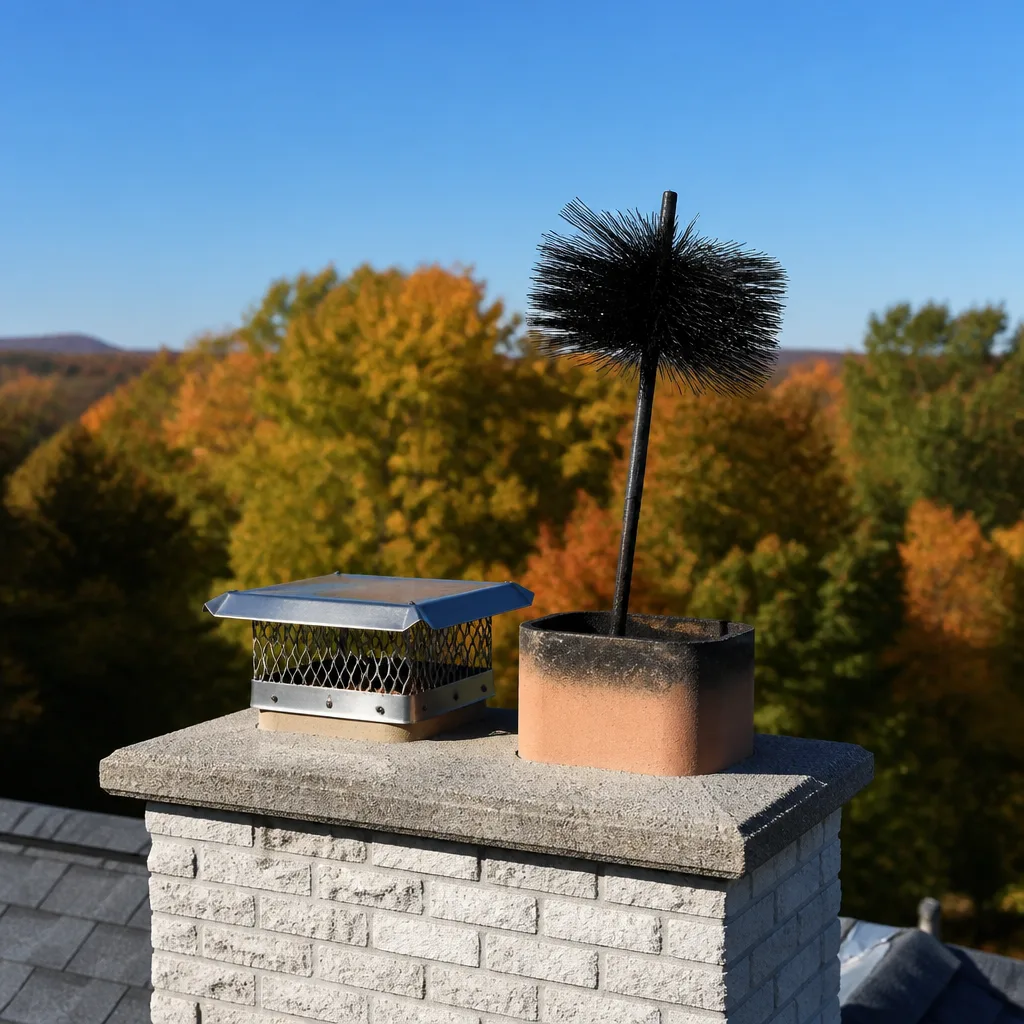 Sweep & inspection
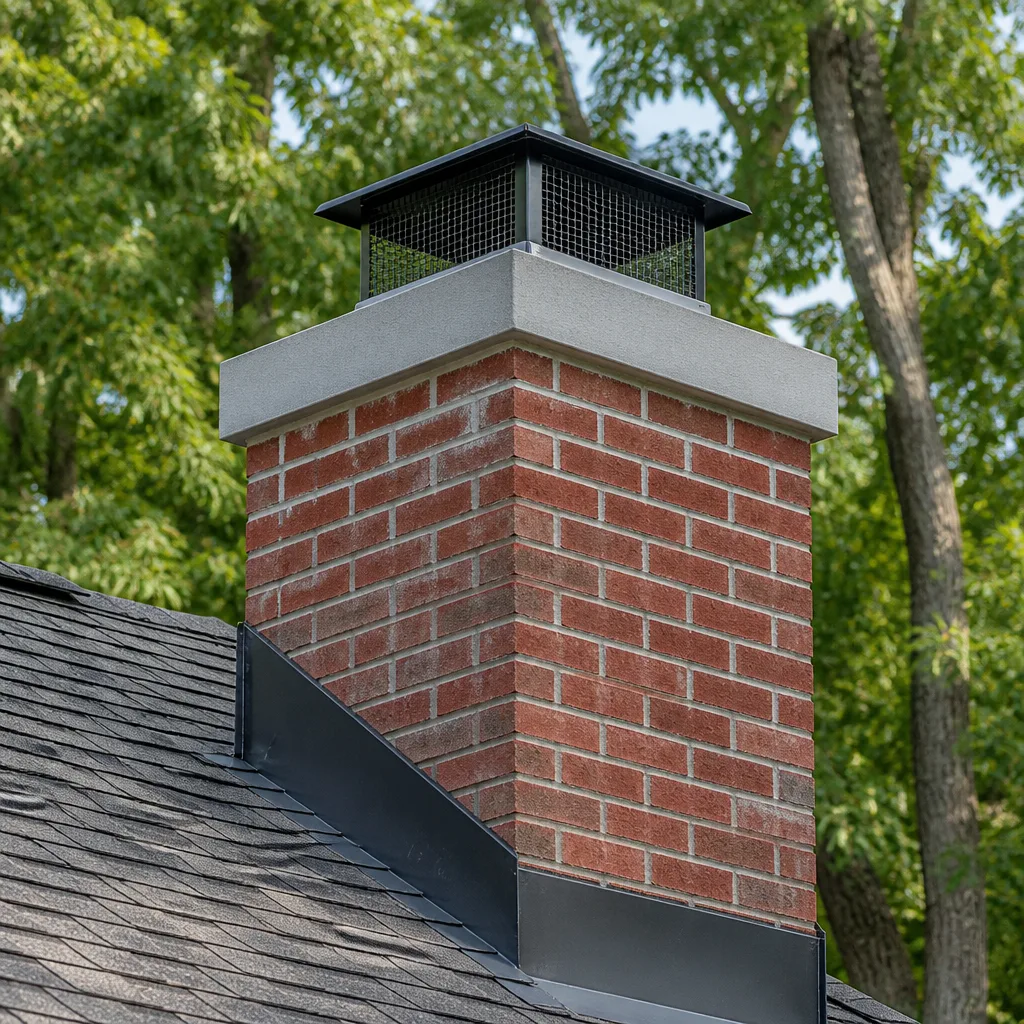 Caps & crowns
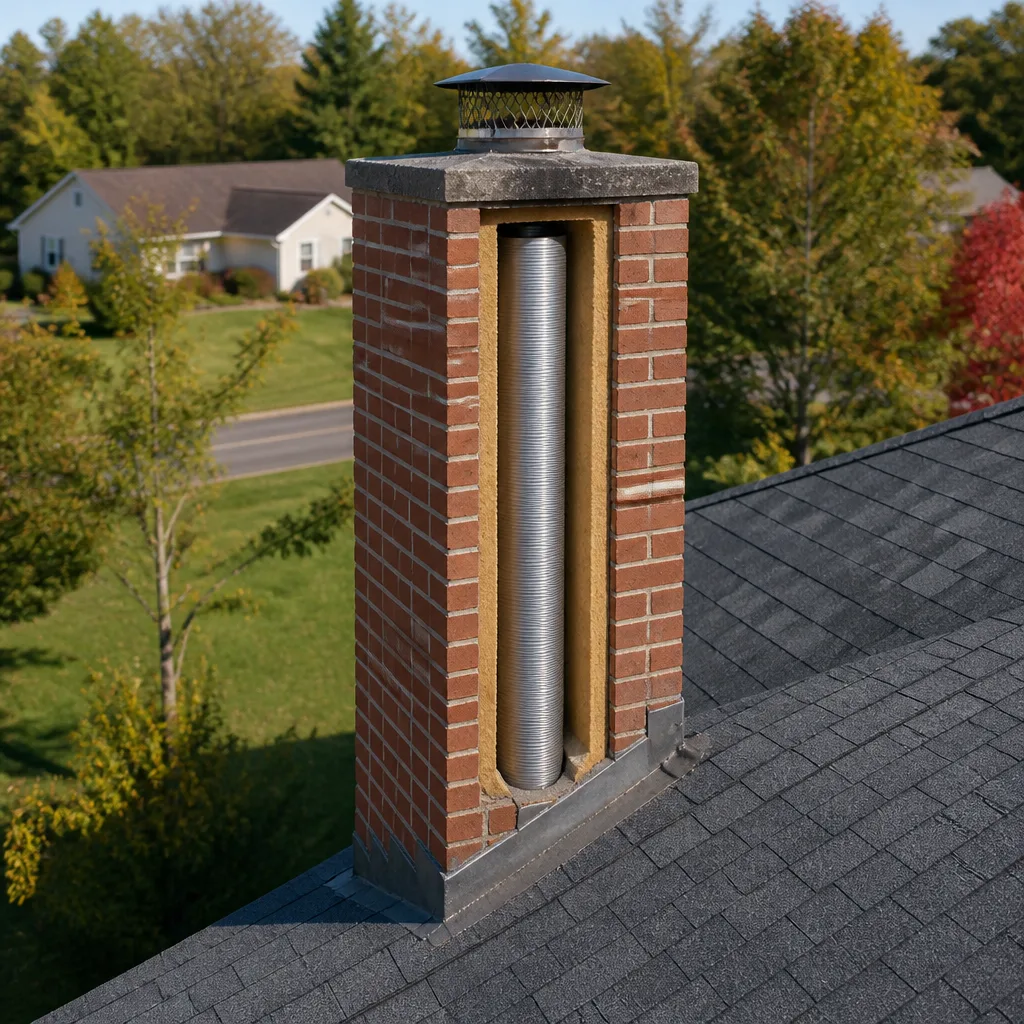 Flue relining
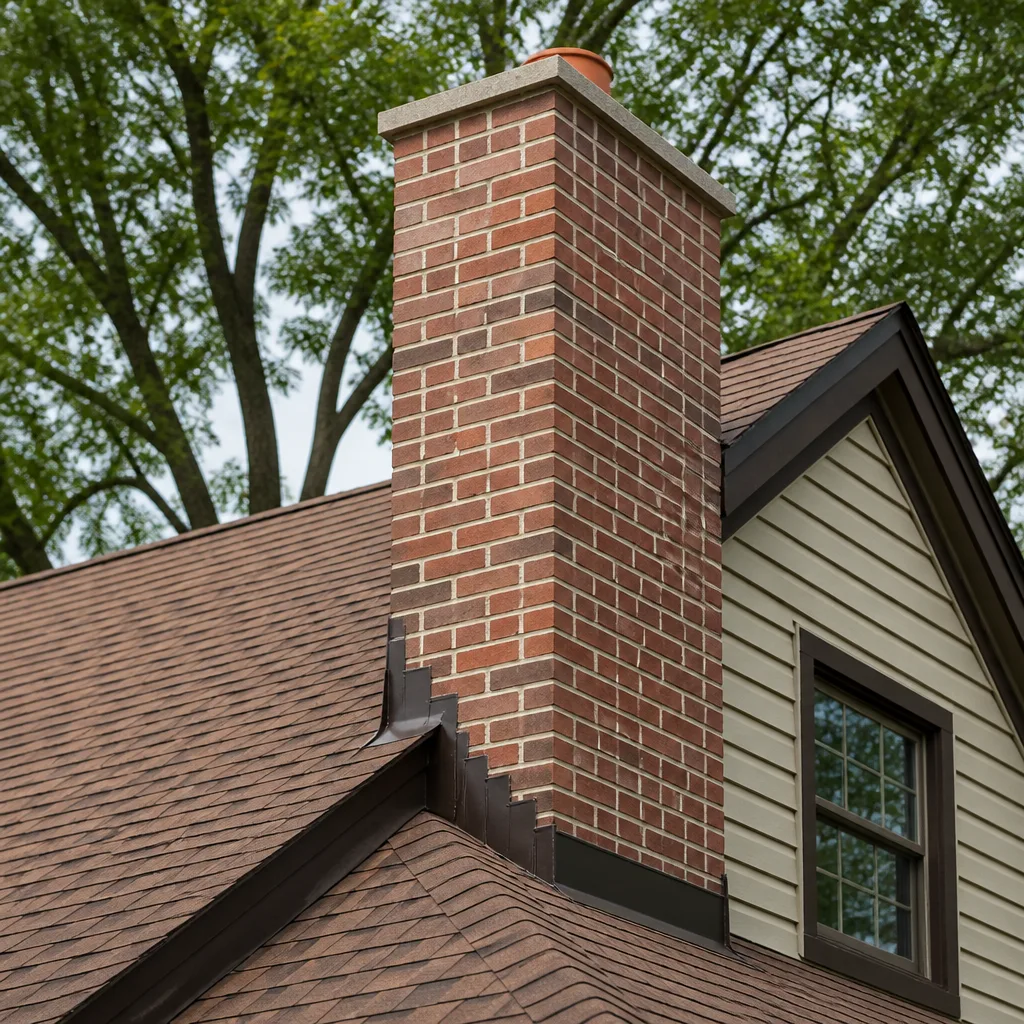 Masonry repair
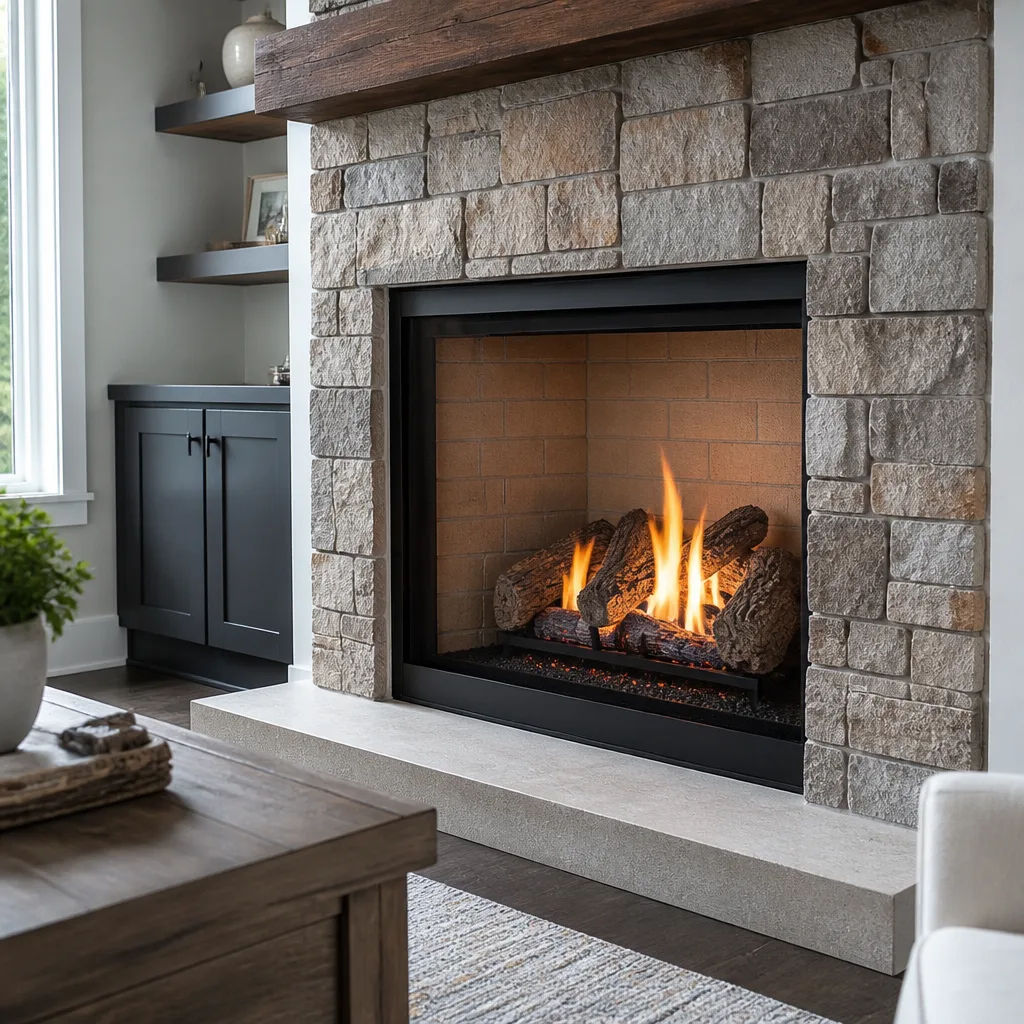 Gas fireplace service
Level 1 sweep and inspection to the NFPA 211 annual standard - flue, crown, cap, and flashing checked and photographed
Chimney sweep logs do not sweep chimneys. They loosen some creosote - which then falls where a brush and vacuum still have to collect it.
How to Hire a Chimney Cleaning Contractor in Concord: A Step-by-Step Guide
The contractor who quotes the lowest price has often already calculated how little they can do and still clear your flue without being liable for what they missed. That’s not a knock on every low bid, but it’s the reason price alone is a poor way to choose who works on your chimney. A sweep is a physical job with a paper trail, an inspection behind it, and repair decisions that follow. The contractor you hire decides all three. This guide walks through the credentials that actually mean something, the questions that separate a generalist from a specialist, and why the materials a contractor specifies tell you more than their review count. We’ll keep the focus on Concord and how hiring tends to go here.
Quick Answer
To hire a chimney cleaning contractor in Concord, verify CSIA Certified Chimney Sweep status, ask which product lines they use for repairs, and insist on a written estimate that names the inspection level and the materials before any work starts. The best sign you’ve found the right contractor is that one company can sweep, inspect, and repair, so no one points fingers when damage turns up. Price matters, but a clear scope with named materials matters more.
Styles & brands we work with
- Sweep & inspection
- Caps & crowns
- Flue relining
- Masonry repair
- Gas fireplace service
Table of Contents
- Chimney Sweep vs. Chimney Contractor: What’s the Difference?
- What Do Chimney Credentials Actually Verify?
- Five Questions to Ask Before You Book
- What a Legitimate Written Estimate Should Include
- Why Sweep, Inspection, and Repair Under One Roof Reduces Risk
- Why the Materials Tell You More Than the Reviews
- What’s Different About Hiring in Concord
- Common Mistakes to Avoid
Chimney Sweep vs. Chimney Contractor: What’s the Difference?
A chimney sweep cleans the flue. A chimney contractor cleans, inspects, and repairs the whole system – flue, cap, crown, firebox, damper, and the connections to your appliance. The two roles overlap, but they aren’t the same, and knowing which one you need saves you a second visit and a second invoice.
When you hire a sweep only, you’re buying a cleaning. If that sweep finds a cracked flue tile or a failing liner, the job stops and you’re told to find someone else for the repair. Sometimes that’s fine. Often it means the problem sits unresolved for weeks while you re-shop.
When you hire a contractor who handles all three services – chimney sweep, inspection, and chimney repair – the person who cleans your flue is the same one who can quote and complete the fix. That continuity is worth a lot on a system where damage is easy to find and harder to judge.
When You Need Which
- Routine annual cleaning, no known problems: a sweep is enough, as long as it includes a basic inspection.
- You’ve never had the chimney looked at: book a sweep plus a Level 2 inspection.
- A previous sweep flagged damage: you need a contractor who can repair, not just clean.
- You’re buying or selling a home: a Level 2 inspection is standard practice.
- You’ve had a chimney fire, even a small one: inspection first, repair conversation second.
Most homeowners in Concord end up needing the full-scope version eventually, because a chimney is a system and systems fail in places you can’t see from the hearth. For a fuller picture of what a proper cleaning involves, our Concord Chimney Cleaning overview lays out the three services and how they connect.
What Do Chimney Credentials Actually Verify?
CSIA Certified Chimney Sweep status verifies that an individual has passed an exam on chimney and venting fundamentals and has agreed to a code of conduct. It does not cover every job that could go wrong, and it isn’t a guarantee of workmanship. It’s a baseline, and a useful one, but it’s only the first filter.
What the CSIA Credential Covers
- Knowledge of chimney and venting science, draft, and combustion byproducts.
- Familiarity with the relevant codes and standards that govern chimney construction and venting.
- An ethical commitment not to perform work outside their competence.
What It Doesn’t Cover
- It doesn’t certify a company – it certifies a technician. A company may employ one certified sweep and several who aren’t.
- It doesn’t tell you what product lines the contractor uses for repairs.
- It doesn’t guarantee the contractor carries insurance or will provide a written scope.
That’s why you verify credentials and ask about materials and scope at the same time. A certified sweep working with generic repair components is a different proposition than a certified sweep using DuraFlex liners and HeatShield resurfacing. The credential opens the door; the materials tell you what kind of work you’re actually getting.
In our experience, the contractors worth hiring are the ones who volunteer their certification and then answer material questions without hedging. If a contractor gets vague when you ask what product goes into your flue, treat that as your answer.
Five Questions to Ask Before You Book
Ask these five questions before you book anyone. The answers tell you more than any website copy will.
- Are you CSIA certified, and is the person coming to my home the certified one? A company-level claim can hide the fact that an uncertified technician does the actual visit.
- Do you do repairs, or do you refer them out? A sweep-only company will hand you a list of problems and no path forward. A contractor can quote and complete the fix.
- What product lines do you use for liners, caps, and resurfacing? Specific brand names signal professional-grade supplies. Vague answers about “industry standard materials” mean you don’t know what’s going in.
- What level of inspection is included, and will I get a written report? A Level 1 visual check is fine for a routine cleaning. A Level 2 camera inspection is what you want when there’s any doubt.
- Can I see the written estimate before any work begins? A verbal quote that changes once the technician is on the roof isn’t an estimate. It’s a starting bid.
Those five questions cover the essentials. Notice that none of them are about price. Price comes after scope is clear, because a vague scope allows the number to move once the job starts. Once you’ve named the inspection level and the materials, the estimate means something.
A note on materials: this is where we’re glad to talk specifics. We work with DuraFlex flexible liners, HeatShield resurfacing, Gelco and Olympia Chimney caps, and other professional-grade lines, because a repair is only as good as the parts you’re putting into the chimney. If a contractor can’t name what they’ll use, you can’t confirm what your money is buying.
What a Legitimate Written Estimate Should Include
A legitimate written estimate names the scope, the inspection level, and the materials by brand before any work begins. A vague quote gives you a number and a promise. That’s the entire difference, and it’s easy to spot once you know what to look for.
What Should Be in the Estimate
- Scope of work: exactly what’s being cleaned, inspected, or repaired, in plain language.
- Inspection level: Level 1, 2, or 3, stated explicitly, with a written report to follow.
- Materials by name: if a repair is involved, which product line is specified – not “liner” or “cap,” but the brand.
- Whether the estimate is a fixed price or a range: and what would change it.
- The name of the person doing the work: so you know whether the certified technician is the one showing up.
- Any exclusions: the parts of the system that are not included, so nothing comes as a surprise.
What Should Set Off a Warning
- An estimate that lists a dollar figure and nothing else.
- A quote that says “inspection included” without naming the level.
- Repairs quoted without any material specified.
- Pressure to authorize work the same visit without a written scope in your hands.
- A price that changes between the phone call and the visit with no explanation of why.
One more point on scope: the estimate should tell you plainly when a repair can safely wait. A chimney that needs cosmetic work on the crown isn’t the same as one with a compromised flue. A contractor who can explain the difference is telling you they’ve thought about your specific system, not just their calendar.
For homeowners in the Concord area, this matters because housing stock here spans decades of construction, and the chimney systems vary accordingly. A written scope that reflects your actual flue, not a generic template, is the one to sign.
Why Sweep, Inspection, and Repair Under One Roof Reduces Risk
When sweeping, inspection, and repair live with three different contractors, risk moves to you. Each one points at the previous one’s work, and you’re the one caught in the middle trying to work out who’s responsible for a problem nobody wants to claim.
The finger-pointing scenario is common. A sweep cleans the flue and says the liner looked fine. Six months later a repair company finds a failing joint and says the sweep missed it. The sweep responds that the liner wasn’t visible from the access. Nobody’s necessarily lying. But you’re still paying for a second inspection and a repair you might have caught earlier.
One company changes that math. When the same contractor sweeps, inspects, and repairs, there’s a single paper trail from cleaning to diagnosis to fix. Every recommendation traces back to a report you can read. If a repair can wait, the contractor who inspected can tell you so, because they aren’t handing the job to someone else.
Why This Matters for Repairs Beyond the Sweep
- Liner restoration work with HeatShield only makes sense if the inspection found deterioration a sweep alone would flag. One contractor connects the two.
- Complex flue configurations require a flexible liner system like DuraFlex. A sweep-only company can’t install one.
- Cap replacement with Gelco or Olympia Chimney products is part of chimney protection, not a separate trade.
In our experience, the customers who are most at ease with the process are the ones who called a full-scope contractor first. They got the cleaning, the report, and the repair plan in one thread. When the homeowner wants to defer a repair, they hear it from the contractor who found it, with the report in hand. That’s a very different conversation from a list of recommended fixes handed off at the door.
Why the Materials Tell You More Than the Reviews
Reviews tell you how other people’s jobs went. Materials tell you what will go into your chimney. On a system that’s designed to contain fire and combustion gas, the second one is the more useful signal.
A contractor who specifies DuraFlex flexible liners, HeatShield resurfacing, Gelco caps, and Olympia Chimney venting is telling you what standard they build to. Those are recognized trade products, made for the job and tested for it. A contractor who says “we use industry standard materials” hasn’t told you anything. Generic substitutes vary widely, and you’ll never know which one landed in your flue.
What Named Materials Actually Do for You
- They make the estimate verifiable. You can look up the product and see what it’s rated for.
- They show the contractor’s scope. Flexible liner systems mean they can handle offset flues a rigid-only contractor would decline.
- They open repair options. HeatShield resurfacing restores a deteriorated liner without full replacement. That’s a repair path most basic sweep companies can’t offer.
- They tell you who stands behind the work. A named product line comes with its own standards and documentation.
This is the part most hiring advice skips. Price comparisons assume every contractor is doing the same thing. They aren’t, and the material spec is where the difference shows up. When you ask what product goes into the repair, you’re asking whether the contractor operates like a specialist or a generalist. The specialist names the brand without flinching.
What’s Different About Hiring in Concord
Concord sits in the Piedmont, where winters are cold enough for steady fireplace use but rarely severe, and summers are humid. That pattern shapes what a chimney contractor sees: plenty of wood-burning and gas fireplaces that get a workout from fall through early spring, then sit dormant through humid months. The moisture in the off-season is where a lot of the quiet damage happens – a neglected cap or a cracked crown that lets water in and sits there until the next burning season.
Housing stock around Concord varies widely, from older homes with masonry chimneys to newer builds with factory-built systems. That range means the inspection has to be tailored to your system, not run through a checklist. A masonry chimney and a metal factory-built flue have different failure points, and a contractor who works both will say so in the estimate.
If you’re pricing a sweep in Concord, expect the written estimate to break out what’s included. Our chimney repair work is where named materials really pay off, because you can see exactly what the repair is: a resurfaced liner, a new cap, or a flexible liner system. That’s a level of specificity the market doesn’t always deliver.
Neighborhoods and Housing Notes
Chimney work in Concord spans neighborhoods like Gibson Village, where older masonry chimneys often show their age at the crown and flue joints, and newer developments where factory-built systems need adapters and correctly rated caps. In each case the questions to ask are the same, but the answers should reflect what’s actually on your roof.
Common Mistakes to Avoid
- Choosing on price alone. The lowest quote is often the one with the vaguest scope. Ask what’s included before you compare numbers.
- Booking a sweep with no inspection. A cleaning without an inspection misses damage the sweep can’t reach. The inspection is where the value sits.
- Hiring a sweep-only company for a repair. If they can’t do the repair, they can’t tell you the safest way to handle it either. Ask up front.
- Accepting a verbal quote. A number on the phone isn’t an estimate. Get the scope and materials in writing before anyone gets on your roof.
- Ignoring the cap. In Concord’s humid off-season, a missing or damaged cap lets water and animals in. It’s a cheap fix that prevents an expensive one.
- Assuming a badge on the website means the technician is certified. The CSIA certifies individuals, not companies. Ask who’s coming.
- Skipping the report. If the contractor won’t give you a written inspection report, you’re paying for a cleaning and a guess.
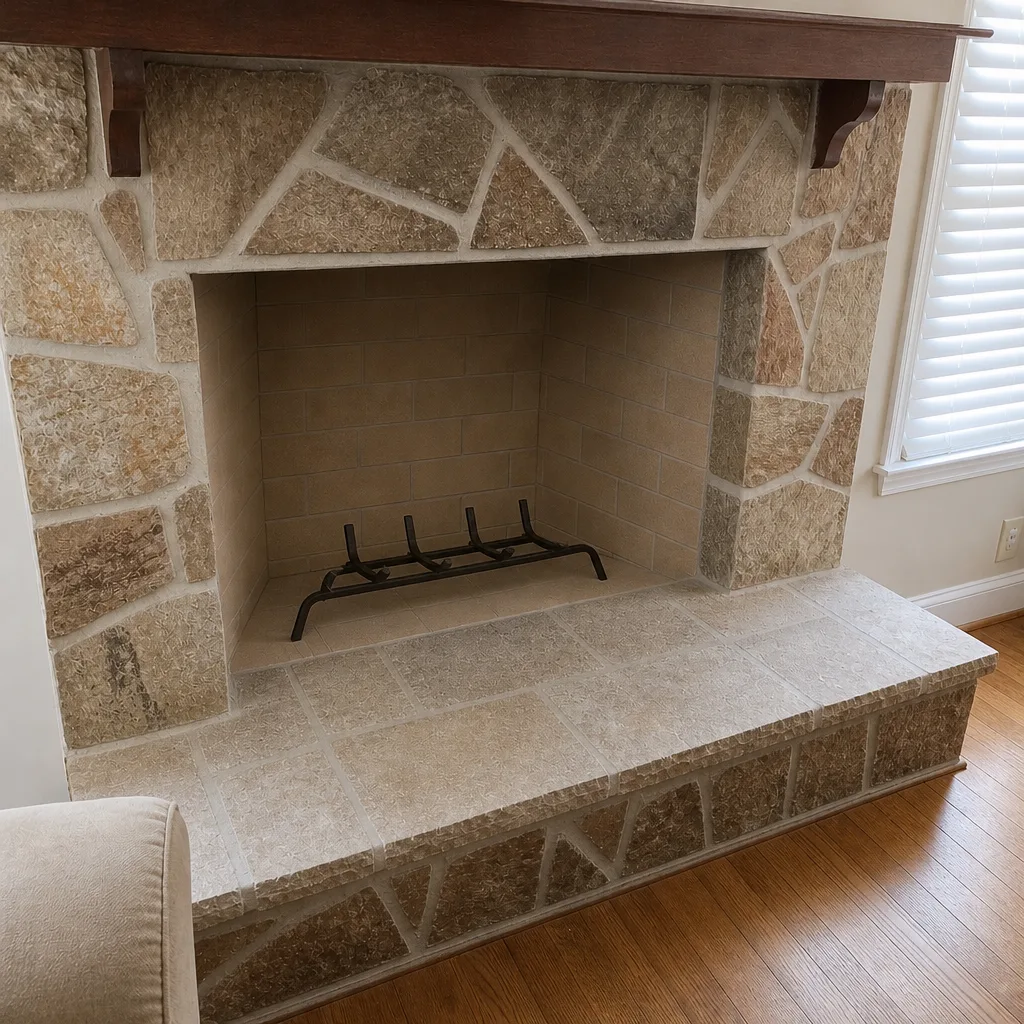
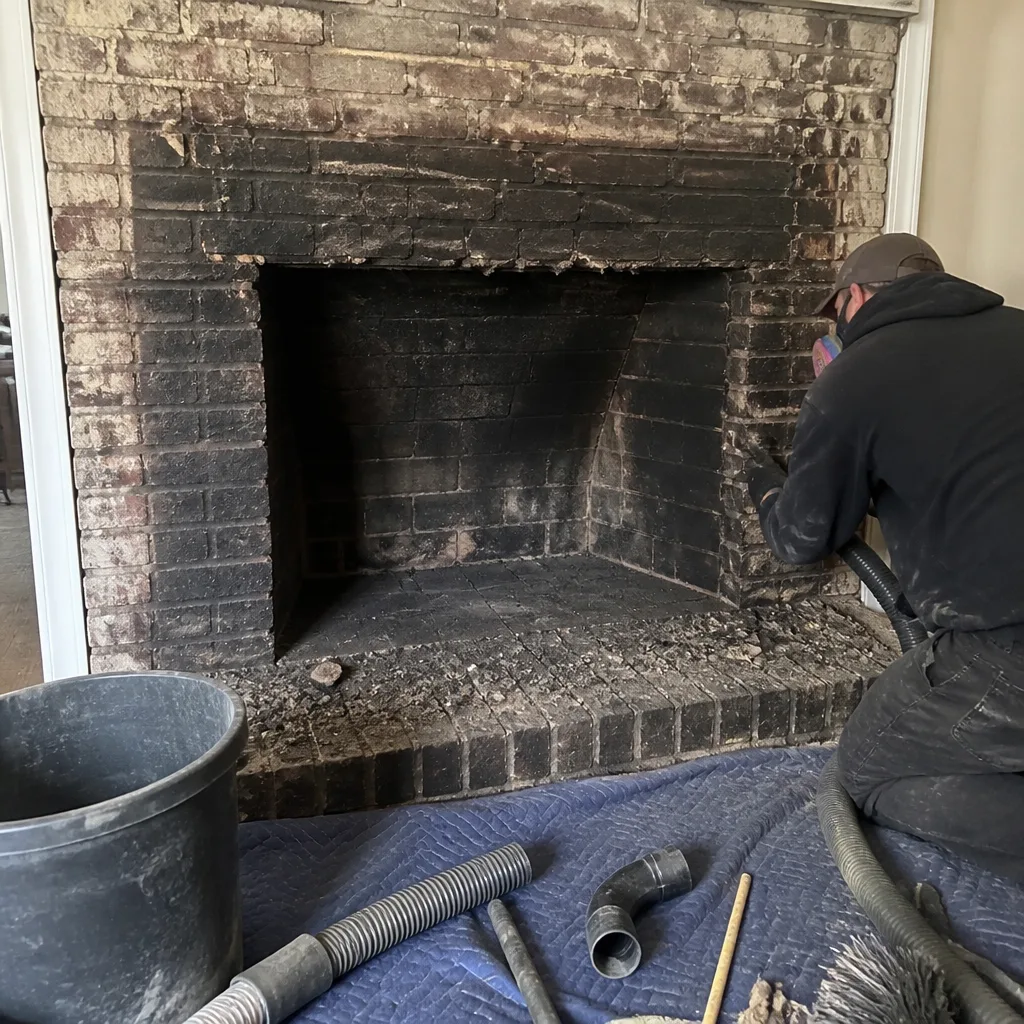
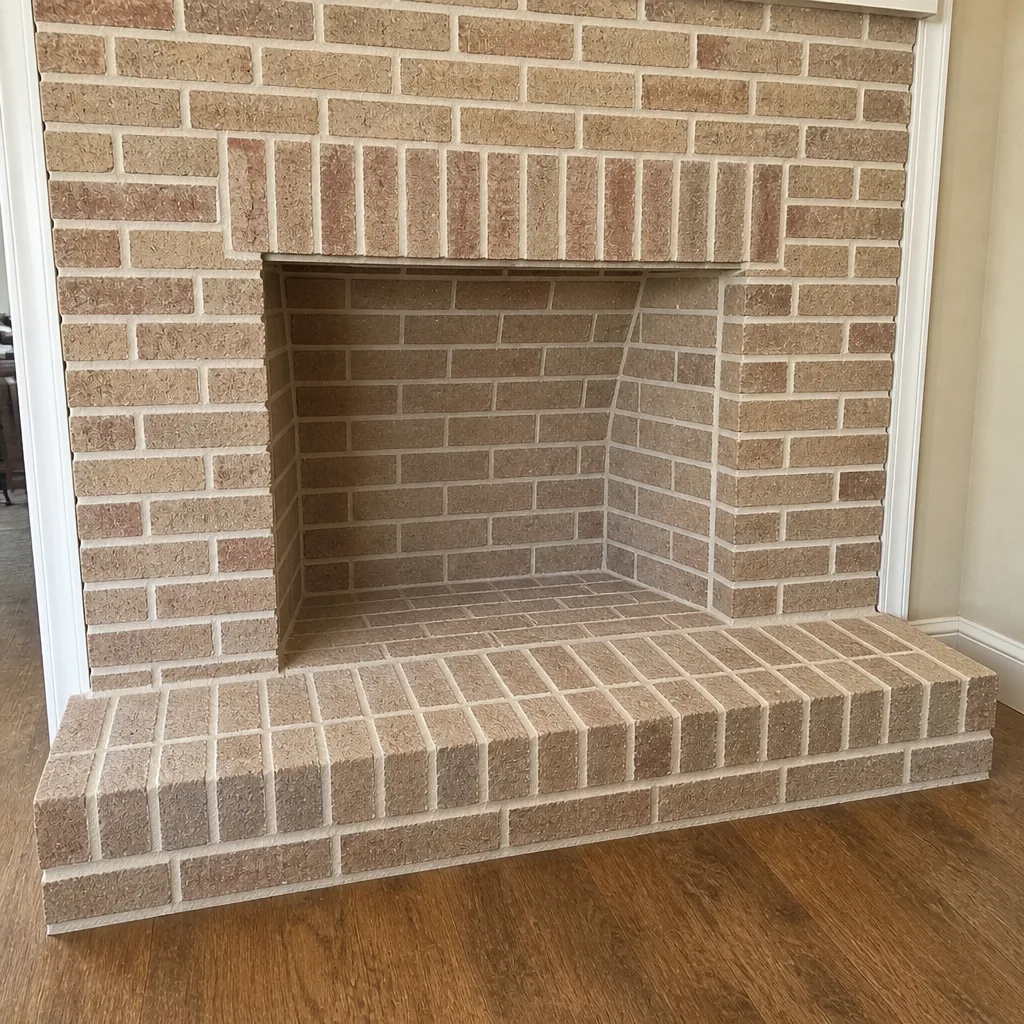
See the difference
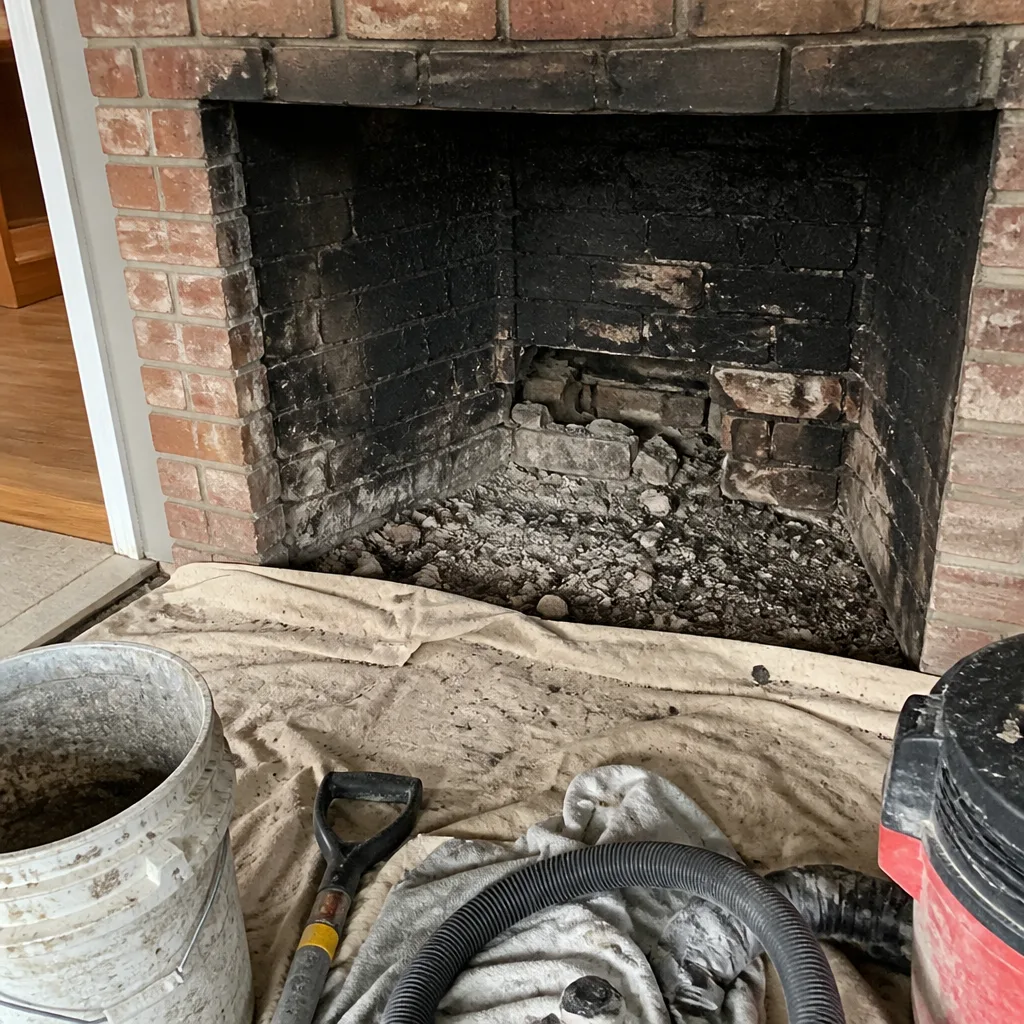 Before
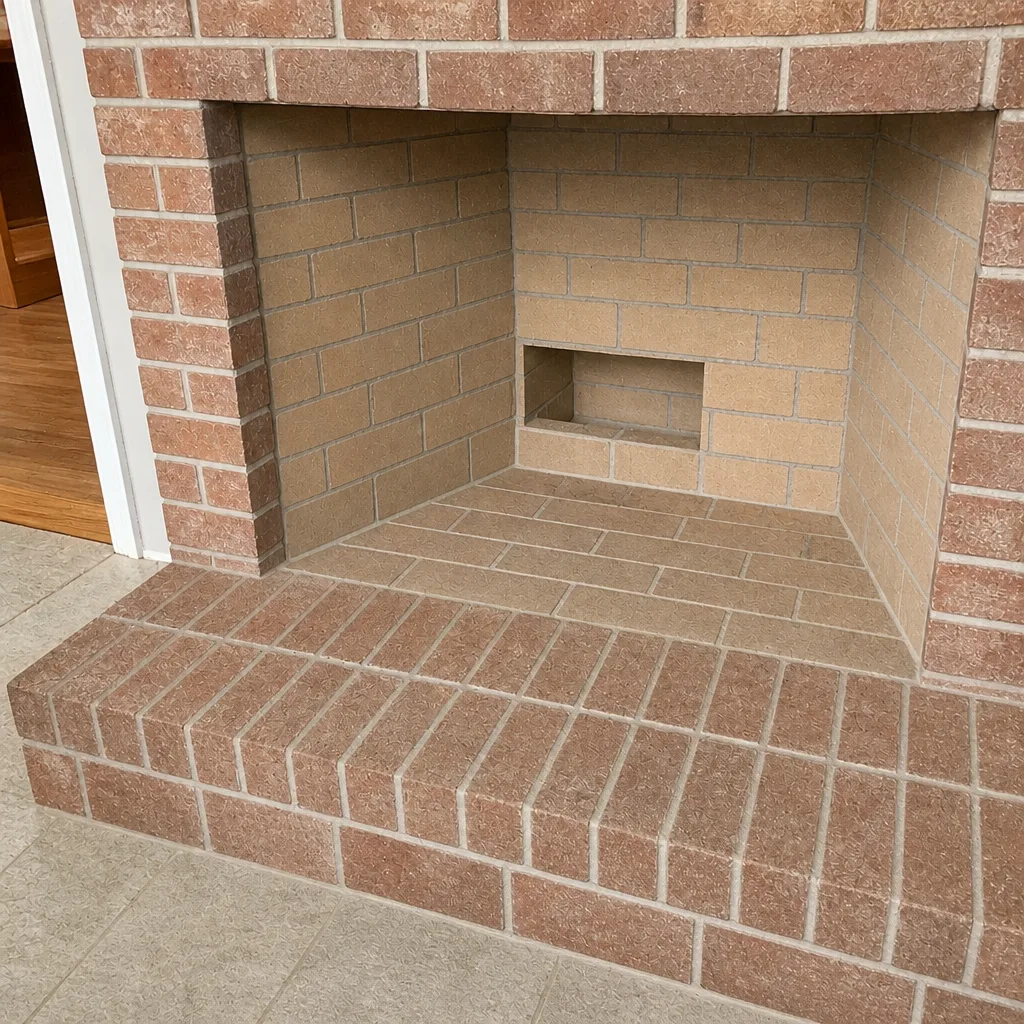 After
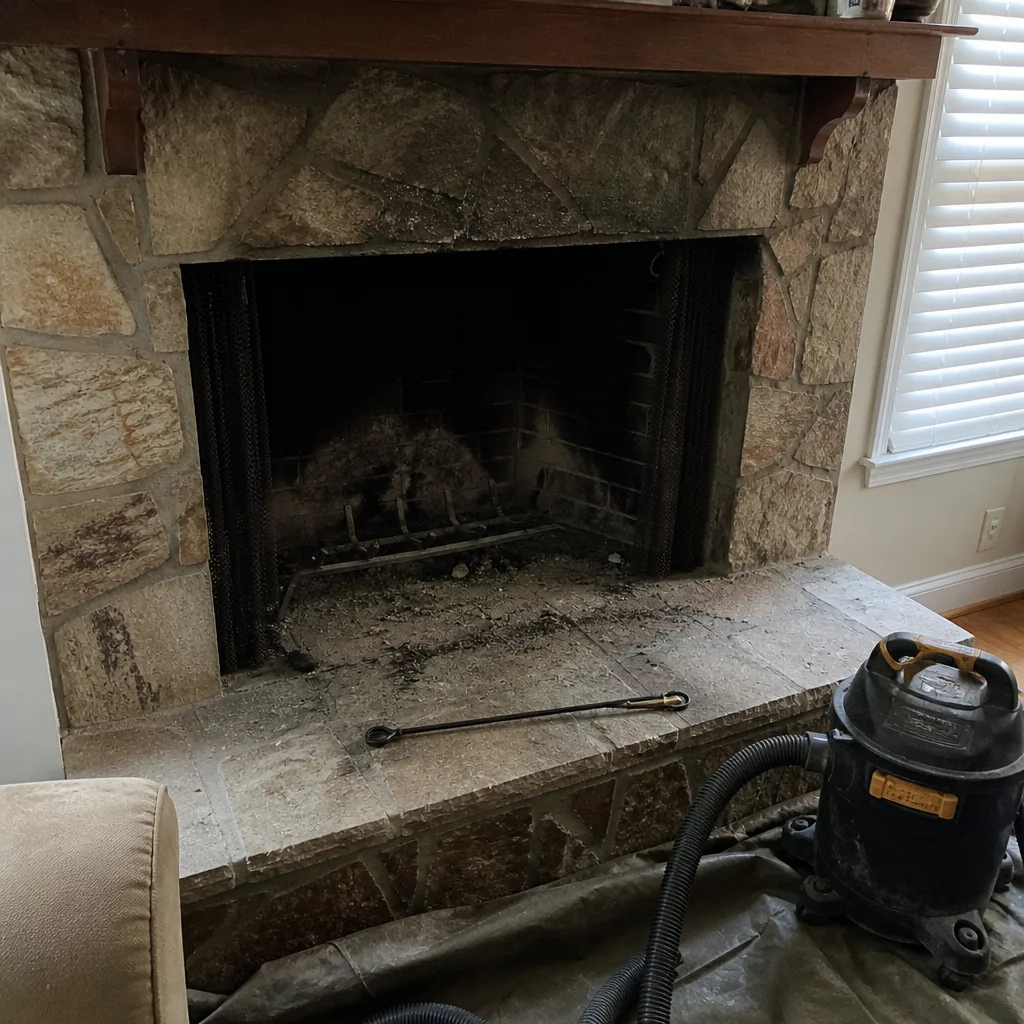 Before
 After
 Before
 After
When to Call a Professional
Call a professional when you haven’t had the chimney cleaned in a year or more, when you’ve had a chimney fire of any size, or when you notice smoke backing into the room, a burning smell in warm weather, or visible cracking in the firebox or crown. These aren’t jobs to defer. A blocked or cracked flue can let carbon monoxide or fire into the house, and it’s a hazard you can’t always see from the hearth. If you’re in doubt, treat it as a call. Concord Chimney Cleaning offers free estimates in Concord – call (866) 665-4951 to book one.
Frequently Asked Questions
Sweeping costs vary by the chimney system, its condition, and whether an inspection is included, so we set a written estimate per job rather than quote a flat figure. Call (866) 665-4951 for an exact quote – estimates are free.
Not always. A deteriorated liner can sometimes be restored with HeatShield resurfacing rather than replaced, which is a lower-cost repair. The right answer depends on what the inspection finds, and a full liner should only be recommended when the existing one can’t be safely restored. Call (866) 665-4951 to get a report you can read for yourself.
Annual sweeping and inspection is the standard for a wood-burning fireplace, and gas appliances still need an annual inspection even though they produce less creosote. If you burn heavily, the visit may come sooner. Call (866) 665-4951 to book a sweep and inspection for your system.
Creosote builds up in the flue, and a blocked or cracked chimney can let fire or carbon monoxide into the house. Water damage and animal intrusion are the quieter problems. None of it is a reason to panic, but it’s a reason to schedule. Call (866) 665-4951 and we’ll tell you honestly whether the work can wait.
It verifies that an individual sweep passed a chimney and venting exam and agreed to a code of conduct. It doesn’t certify the company or cover the materials used in a repair. Ask who’s actually coming to your home and what product they plan to use.
Yes. One company handles the sweep, spots the problem, and makes the repair, so nothing gets handed off. That matters when a sweep-only contractor would have to refer you elsewhere. Call (866) 665-4951 to book a visit.
The Bottom Line
Hiring a chimney contractor in Concord comes down to three things: verify the credential, ask what materials go into the repair, and get a written estimate that names the scope and the inspection level. The rest – price, personality, convenience – follows from there. One company that sweeps, inspects, and repairs reduces the risk of finger-pointing because the same contractor stands behind all three. Named materials like DuraFlex and HeatShield tell you more about a contractor than any review count. If you’re ready to schedule, Concord Chimney Cleaning is glad to help – call (866) 665-4951 for a free estimate. We answer 24/7. Fast dispatch from 7am to 7pm, Sunday through Friday.
Written by the team at Concord Chimney Cleaning.