
Last updated November 15, 2026
 Sweep & inspection
 Caps & crowns
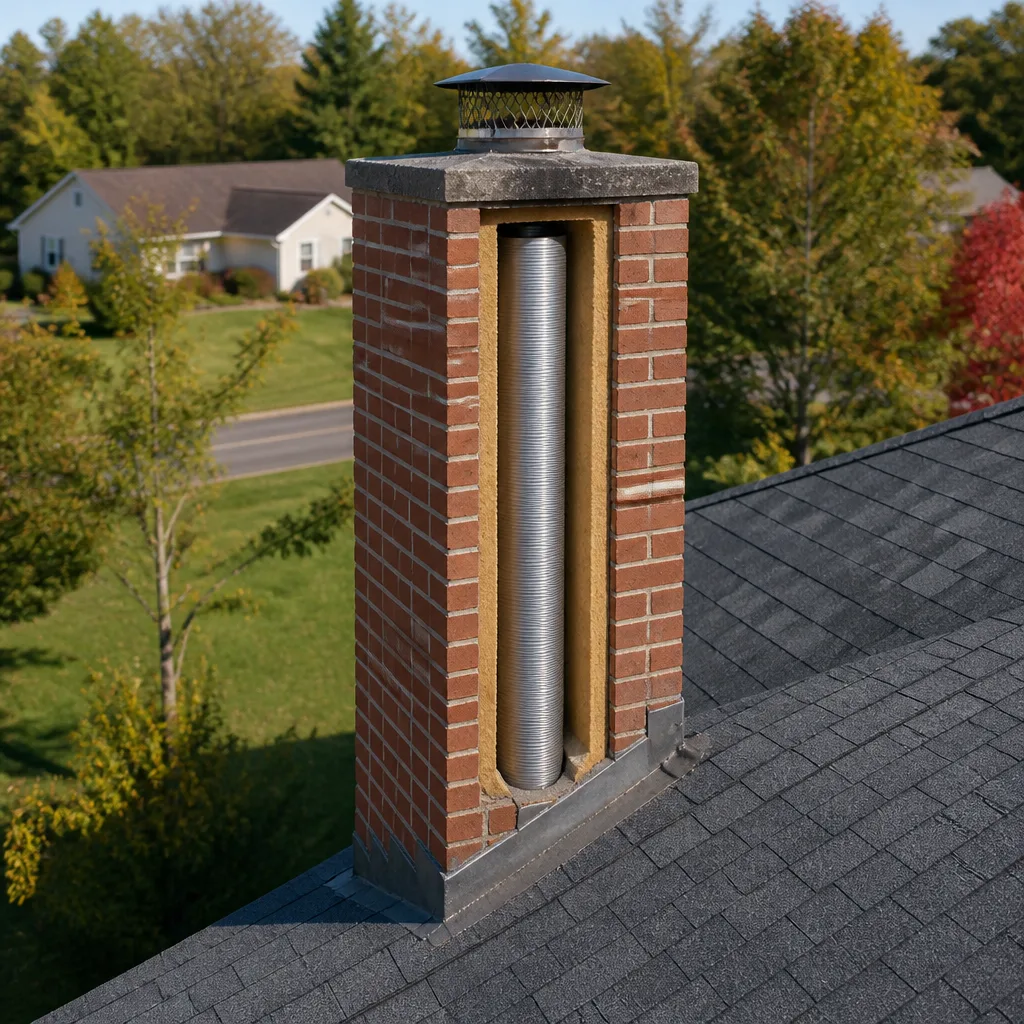 Flue relining
 Masonry repair
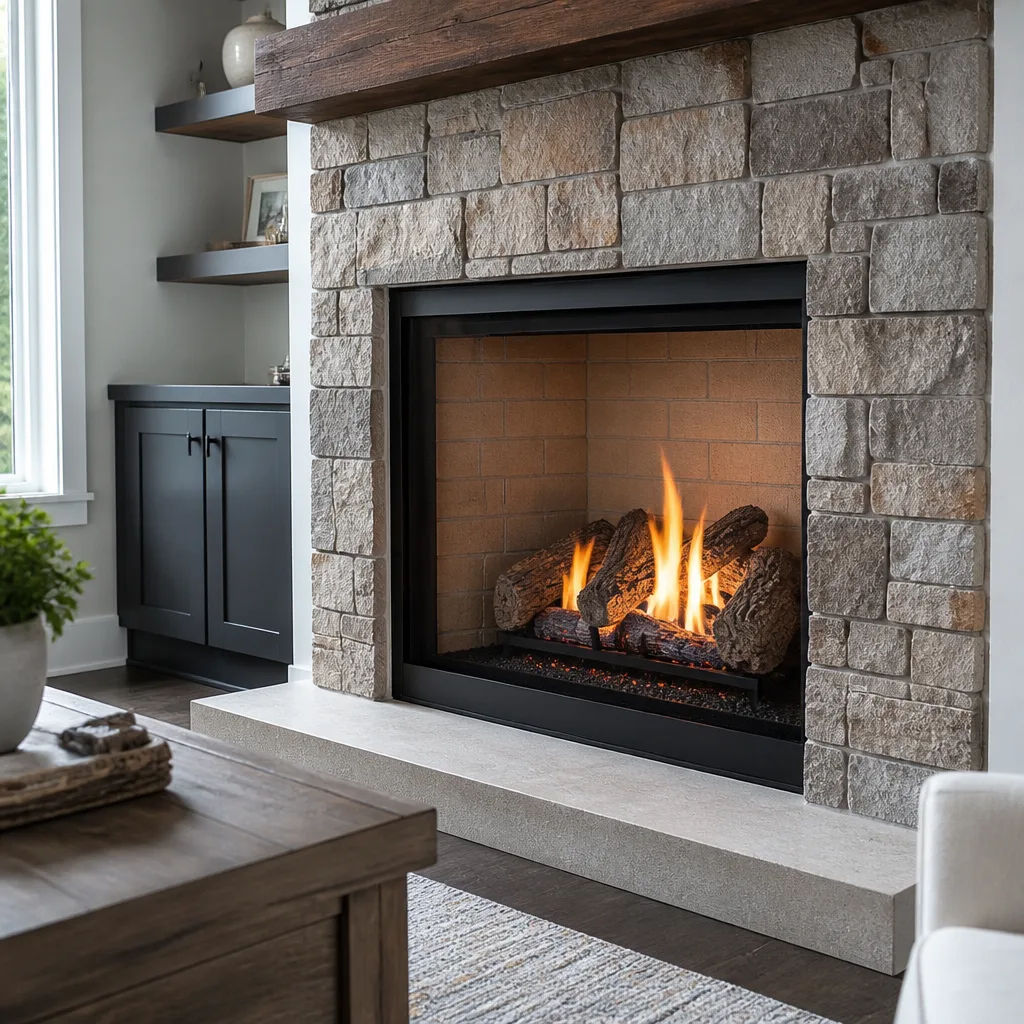 Gas fireplace service
Level 1 sweep and inspection to the NFPA 211 annual standard - flue, crown, cap, and flashing checked and photographed
Chimney sweep logs do not sweep chimneys. They loosen some creosote - which then falls where a brush and vacuum still have to collect it.
Chimney Sweep Troubleshooting in Concord: Common Problems and How to Fix Them
A smoky fireplace and a smelly fireplace look like the same problem, but they almost never share the same fix. One is usually airflow, the other is usually what’s sitting inside the flue. Homeowners in Concord call us for both, and the frustrating part is how often they’ve already paid for a sweep that didn’t solve anything because nobody diagnosed the cause first. This guide maps the symptoms you’re seeing to the five root causes behind almost every chimney complaint: backdraft, creosote restriction, structural damage, draft pressure imbalance, and cap or crown failure. Work through it in order and you’ll know whether you’re looking at a cleaning, a repair, or a system change.
Quick Answer
Most chimney problems in Concord come down to one of five root causes: a draft pressure imbalance (backdraft), a creosote restriction, structural damage inside the flue, a failing cap or crown, or moisture and animal intrusion. Which one you’re dealing with decides the fix, and a camera inspection is the only reliable way to tell them apart when the symptoms overlap. Diagnosis first, then the right repair, always beats a generic sweep.
Styles & brands we work with
- Sweep & inspection
- Caps & crowns
- Flue relining
- Masonry repair
- Gas fireplace service
Table of Contents
- The Five Root Causes and How to Tell Them Apart
- Smoke Coming Into the House: Is It Backdraft or a Blocked Flue?
- How Tight Modern Construction Creates Backdraft in a Clean Chimney
- Chimney Odors: Sharp vs. Musty vs. Animal, and What Each Means
- Creosote Restriction: The Slow-Burning Itch
- Caps, Crowns, and Why Storm Damage Often Starts Up Top
- Which Inspection Level You Actually Need
- What You Can Handle Yourself vs. What Needs a Contractor
The Five Root Causes and How to Tell Them Apart
Troubleshooting a chimney is a sequence, not a guess. When a homeowner in Concord describes a problem, we work from the cheapest and most obvious explanation upward, because the fix for a loose damper is very different from the fix for a crumbling flue liner. Running the sequence in order saves money and rules out the simple stuff before anything expensive gets recommended.
Here’s the ladder we climb:
- Draft pressure imbalance. The chimney draws, but the house is fighting it. Smoke rolls out at the top of the firebox, especially on start-up. The flue is clean, which is what confuses people.
- Creosote restriction. The draw is weak and getting weaker. The fire burns sluggish, the glass stays sooty, and the smoke doesn’t want to go up.
- Cap or crown failure. Water, birds, or debris get in from above. Odors, rust, or staining show up after rain.
- Structural damage. The flue has cracks, gaps, or a shifted tile. Smoke and gases can escape sideways instead of up. This is the one that needs a camera to confirm.
- System mismatch. The appliance, flue size, and termination don’t match the house. Common after a stove swap or a fireplace insert added without the flue being resized.
Each of these has symptoms that overlap with the others, which is the whole reason a diagnostic sequence beats a checklist. If two things look possible, the camera settles it. We’d rather point a camera down a Concord flue and know for certain than guess from the firebox and sell a repair that doesn’t fix the real problem. Our technicians have up to 10 years of experience reading these symptoms, and the sequence is roughly the same every time.
Smoke Coming Into the House: Is It Backdraft or a Blocked Flue?
Smoke rolling into the room is the single most common reason people search for chimney help in Concord, and it has two very different causes. Backdraft means the chimney is clean but the pressure isn’t letting smoke up. A blocked flue means the chimney can’t pass smoke because something is in the way. The quick way to tell them apart is to watch when it happens. Smoke that stays in the firebox on a cold start and clears once the fire is hot is almost always pressure. Smoke that comes back down no matter how hot the fire is points to a restriction or damage above.
Signs of backdraft:
- Smoke rolls out during the first few minutes of a fire, then settles.
- It’s worse on windy days or when a kitchen or bath exhaust fan runs.
- The flue is clean when checked and the damper opens fully.
- A candle held near the open damper gets pushed back toward the room.
Signs of a restriction:
- The fire smolders and won’t hold a strong flame.
- Smoke comes back even with a hot fire and everything else closed off.
- You smell smoke in the house long after the fire is out.
- There’s visible soot or debris at the top of the firebox or on the damper.
If it’s a restriction, a chimney sweep is usually the answer, but only after a proper look inside. If it’s pressure, cleaning won’t help, and this is where a lot of money gets wasted. Pressure problems need a different fix entirely, which the next section covers.
How Tight Modern Construction Creates Backdraft in a Clean Chimney
Here’s the part a lot of homeowners miss: a clean chimney can still smoke. Newer houses in Concord are built tight, with sealed windows, weatherstripping, and wrap-around vapor barriers. That’s good for heating bills and bad for drafting, because a fire needs to pull air in from somewhere. If the house is sealed, the chimney competes with every exhaust fan and furnace in the building for that air, and the chimney usually loses.
A chimney drafts because hot air rises and creates a pressure difference between the house and the outdoors. When the house is under negative pressure, the chimney pulls air down the flue instead of up. That’s backdraft, and it has nothing to do with creosote or a dirty flue. The house is simply sucking harder than the chimney can push.
Common triggers in a Concord home:
- Kitchen exhaust hoods and bath fans pulling air out faster than it can come in.
- A furnace or water heater sharing the same air the fireplace needs.
- New weatherstripping or a recent window replacement that sealed the house tighter.
- Tight, well-insulated homes where the only air leaks left are the chimney and the dryer vent.
Fixes for pressure problems usually involve restoring a path for make-up air, balancing the fans, or adjusting how the appliance and flue interact. Sometimes a taller flue or a different termination helps. In our experience, these are the cases where a homeowner needs a real diagnosis rather than a sweep, because sweeping a clean flue won’t stop the smoke. This is the point in the sequence where we start looking at the whole system rather than just the flue.
Chimney Odors: Sharp vs. Musty vs. Animal, and What Each Means
Odor is the most misread chimney symptom, mostly because people treat it as one problem. It isn’t. The smell tells you almost exactly what’s wrong if you know what you’re smelling. There are three categories worth knowing in Concord, and each one points toward a different response.
- Sharp, acrid, or creosote-like. This usually means creosote in the flue, especially when the smell is strongest on humid days or when the fireplace is unused. Creosote is a tar-based residue, and heat and humidity bring it back to life. The fix is a proper cleaning, not a deodorizer.
- Musty or damp. This is moisture. Water is getting into the flue or the smoke chamber through a cracked crown, a failing cap, or a masonry joint. The fix is finding where the water enters and sealing it, which is a repair job, not a sweep.
- Animal odors, scratching, or nesting debris. Birds, squirrels, and chimney swifts get in through an uncapped flue. The fix starts with removing the nest and debris, then fitting a proper cap so it doesn’t happen again. Never light a fire to “burn out” a nest; that’s a fire risk and a very bad idea.
Matching the smell to the cause is where homeowners win. A sharp, acrid smell that has built up through a cold season usually means a sweep is overdue and the fire has been running dirty. A musty smell after a rainstorm usually means the top of the system needs attention, and a full chimney repair visit will find the source. In Concord’s humid summers, both come to the surface faster than people expect.
Creosote Restriction: The Slow-Burning Itch
Creosote buildup is the most common cause of a chimney that starts drawing poorly over time, and it’s the one a homeowner can reasonably suspect without a camera. It happens when a fire runs cool and smoky, which deposits unburned tar on the flue walls. That residue hardens over time, narrows the flue, and chokes the draft. The chimney gets worse as the restriction grows, and the fire gets lazier, which deposits even more creosote. It’s a self-feeding cycle.
Why it matters beyond draft:
- Creosote is the fuel in most chimney fires. A restricted flue that ignites can do real damage to the liner and the structure.
- A partially blocked flue pushes smoke and carbon monoxide toward the room instead of up and out.
- Glazed, tar-like creosote is much harder to remove than the fluffy stage and often needs a professional sweep with the right tools.
What you can watch for:
- Soot or black flakes falling into the firebox or drifting onto the hearth.
- A glass door that stays badly sooted no matter how hot you run the fire.
- A fire that won’t hold a strong flame even with dry, well-seasoned wood.
- A dull, smoky smell in the room that lingers after the fire is out.
Once creosote has hardened to the glazed stage, sweeping alone doesn’t always bring the flue back to a sound, even surface. That’s where a resurfacing system can help restore liner integrity without a full replacement, which is one of the reasons we work with HeatShield. If the flue has cracks or gaps alongside the creosote, the sweep finds it and the repair can follow on the same visit.
Caps, Crowns, and Why Storm Damage Often Starts Up Top
If smoke and odor problems come from inside the flue, water and debris problems come from the top. The cap and crown are the chimney’s two first lines of defense, and they take the most abuse from Concord’s storm season and summer humidity. When either fails, the symptoms show up inside the house as stains, rust, and musty odors, which sends a lot of homeowners looking in the wrong place.
The cap sits over the flue and does two jobs: it keeps rain, birds, and debris out while still letting smoke through. A missing or damaged cap is the most direct path to animal intrusion and water damage. The crown is the concrete or masonry top surface around the flue, sloped to shed water. When a crown cracks, water gets into the masonry and works its way down the structure. A cracked crown is one of the most common sources of a musty chimney smell in Concord homes.
Signs the cap or crown needs attention:
- Rust stains or water streaks on the firebox or smoke chamber.
- Bits of masonry or concrete on the roof after a storm.
- Visible gaps, cracks, or moss growth on the crown.
- Bird sounds, droppings, or nest debris in the firebox.
Replacing a cap or rebuilding a crown is a repair, not a bigger job, and it’s usually worth getting right the first time with a product that lasts. We fit Gelco and Olympia Chimney caps and covers as part of repair and protection work, so the part that guards the whole system is a named product rather than a generic substitute. When the cap fails, the failure cascades down the chimney, which is why fixing it early is almost always cheaper than fixing the damage it lets in.
Which Inspection Level You Actually Need
Not every chimney problem needs a camera, and not every problem can be solved without one. Getting this right saves money, since a Level 2 camera inspection costs more than a basic visual sweep visit. The trick is knowing which level answers your question.
Level 1 (visual) is for a routine check during a sweep. The technician looks at what’s accessible, from the firebox to the visible parts of the flue, and confirms the chimney is clear and sound. A clean sweep plus a Level 1 is enough when the chimney is running well, there’s no history of changes to the system, and no symptoms of trouble.
Level 2 (camera) is the right choice when there’s a symptom that a visual check can’t explain. You’ll want a Level 2 camera inspection if any of these apply:
- Smoke or odor problems that persist after a sweep.
- A recent change to the system: a new insert, a stove swap, a flue liner, or a house sale inspection.
- A history of a chimney fire, even a small one.
- Water intrusion, animal debris, or structural damage suspected anywhere in the flue.
- An older home where the flue lining is unknown or visibly worn.
Level 3 is rare. It means opening up parts of the structure to inspect what a camera can’t reach, and it’s only used when the evidence points to a problem in concealed areas. Most homeowners in Concord never need one, but when they do, a camera inspection is what tells us.
In our experience, the mistake isn’t choosing Level 2 too often. It’s choosing Level 1 when the camera would have answered the question in the first place. If you have a symptom, ask for the level that matches it.
What You Can Handle Yourself vs. What Needs a Contractor
Some chimney troubleshooting is well within reach for a careful homeowner. Other parts carry real danger, and the line between the two matters. A safe rule: anything you can touch from the firebox or the floor of the room is fair game. Anything that requires a ladder, working on the roof, or looking inside the flue is not.
Reasonable to handle yourself:
- Checking that the damper opens fully and moves freely.
- Shining a flashlight up the flue from the firebox to spot obvious blockages.
- Clearing debris or a bird’s nest from the firebox with the fire dead and cold.
- Confirming the cap is in place and visibly intact from the ground with binoculars.
- Running a small test fire after cleaning to see whether smoke behavior has changed.
Needs a trained professional:
- Climbing the roof to clear or repair a cap, crown, or flashing.
- Any cleaning of the flue above the firebox. Creosote removal above the firebox needs proper rods and brushes, and the residue itself is combustible.
- Diagnosing cracks or gaps in a flue liner. Those need a camera and a trained eye.
- Gas appliance work, which involves carbon monoxide risk and is not a DIY job.
- Any structural repair, relining, or resurfacing work.
A quick safety note that matters: if you smell gas near a gas fireplace, shut it off, open a window, and call a professional rather than troubleshooting. And if you suspect a chimney fire has happened, even a small one, don’t assume it’s fine. The flue liner can be damaged in ways you can’t see from the firebox, and that’s exactly what a camera inspection is for.
For the work above the firebox, the safest move is a professional sweep and inspection. That’s the work we do in Concord and the surrounding areas, and it’s the right starting point for anything you’re not sure about.
Common Mistakes to Avoid
Most failed fixes we see follow a handful of avoidable mistakes. Here’s what to watch for in Concord:
- Booking a sweep when the real problem is pressure. A clean flue won’t stop backdraft in a tight house, and paying for a sweep that doesn’t fix the problem is one of the most common wastes of money.
- Treating chimney odors like a single problem. A musty smell and a sharp smell point to different fixes. Deodorizers and air fresheners mask the symptom and leave the cause in place.
- Skipping the camera because the flue “looks fine.” A flue can look intact from the firebox and still have cracked tiles or gaps further up. That’s what the camera is for.
- Letting a contractor find damage they can’t fix. If the company that sweeps your chimney can’t do the repair, you’re back to starting over. One company handling the sweep, the diagnosis, and the repair closes that gap.
- Burning wet or unseasoned wood. Damp wood burns cool and smokes, which is the main driver of creosote buildup. Dry, seasoned wood burns hotter and cleaner.
- Ignoring water intrusion after summer storms. Concord’s humid summers and storm season expose cracked crowns and failing caps quickly. A small water issue becomes masonry damage if it’s left through a season.
- Using a generic replacement part. A cap or liner picked off a shelf for price rather than fit is a repair that fails again. The brand and the fit both matter.
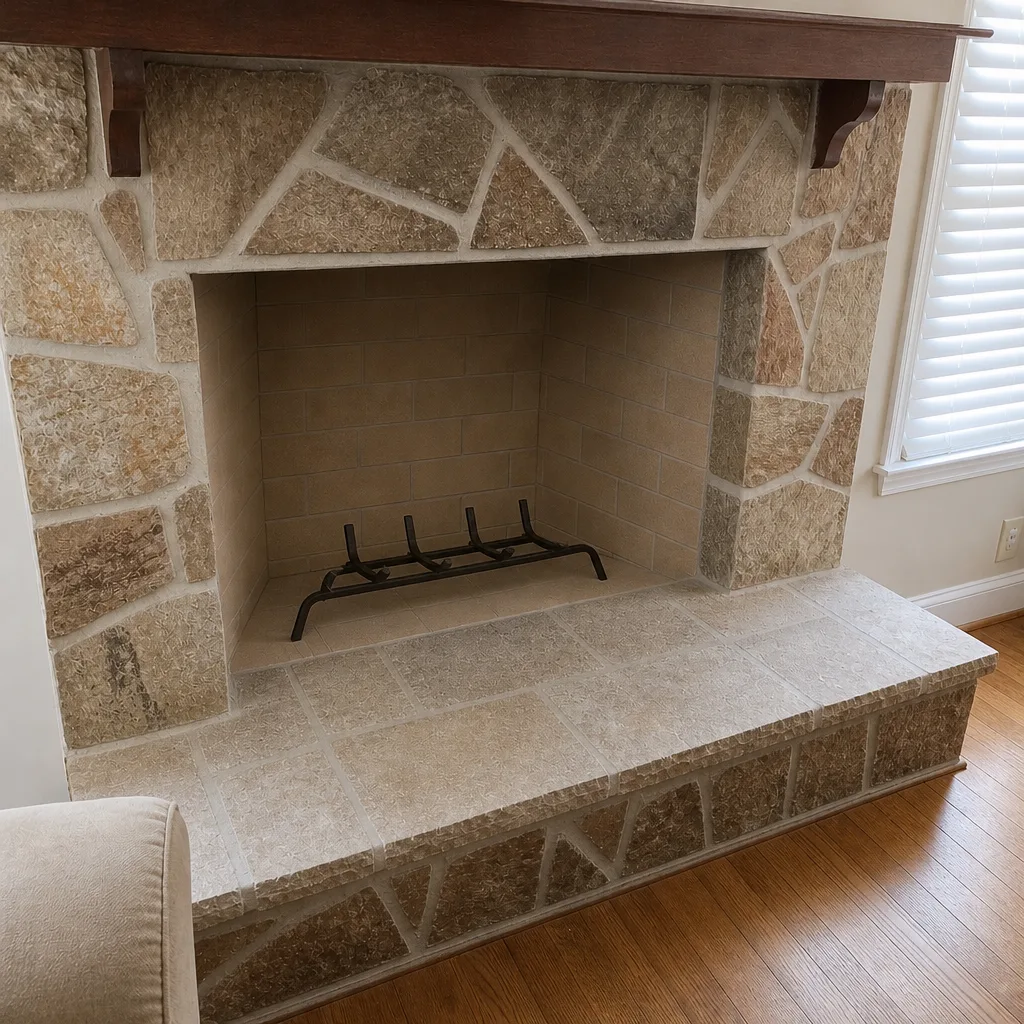
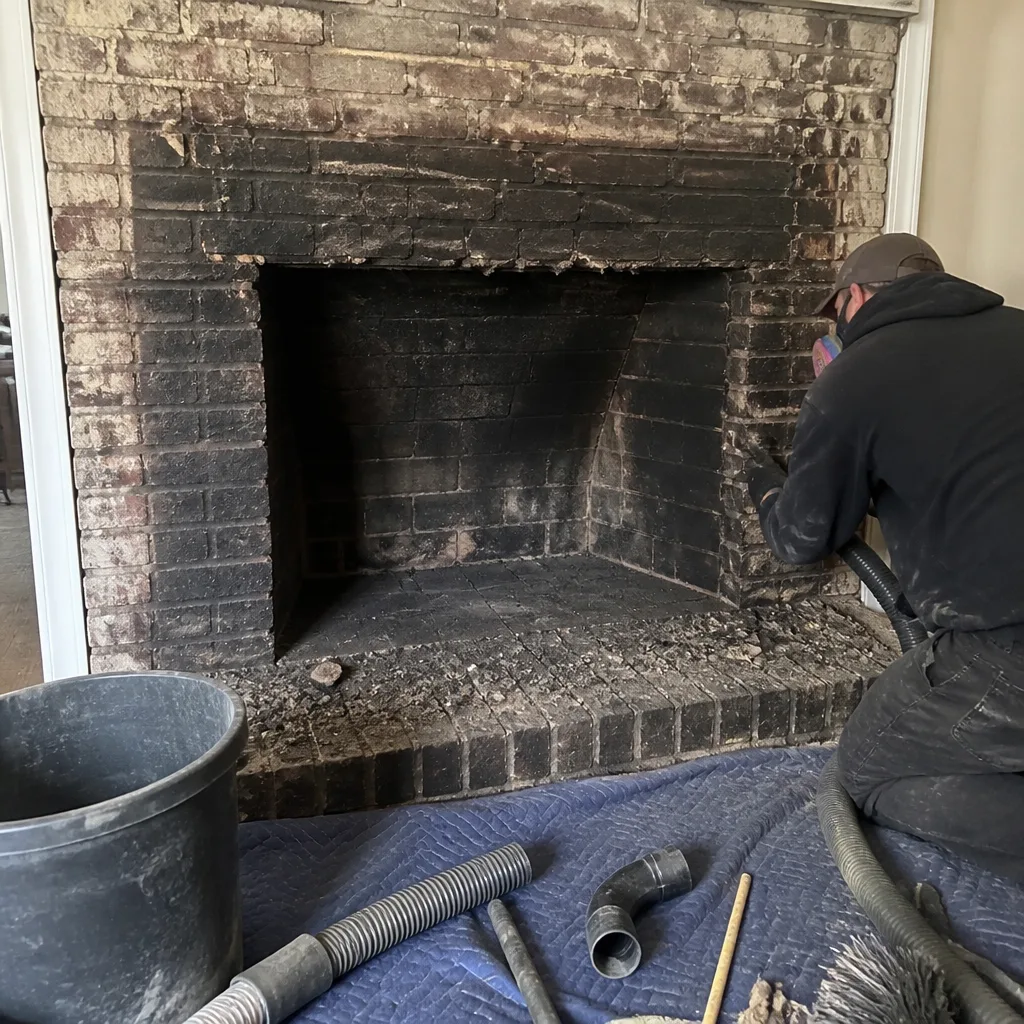
See the difference
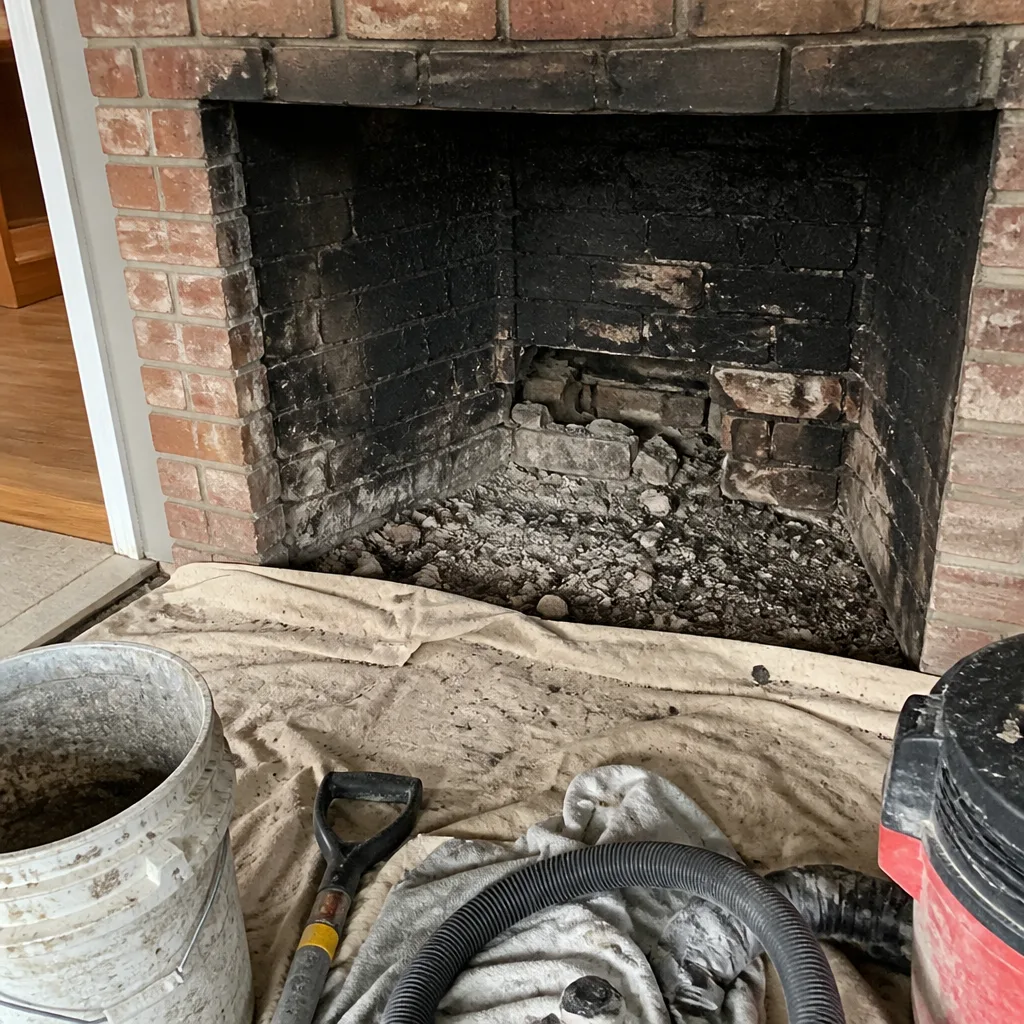 Before
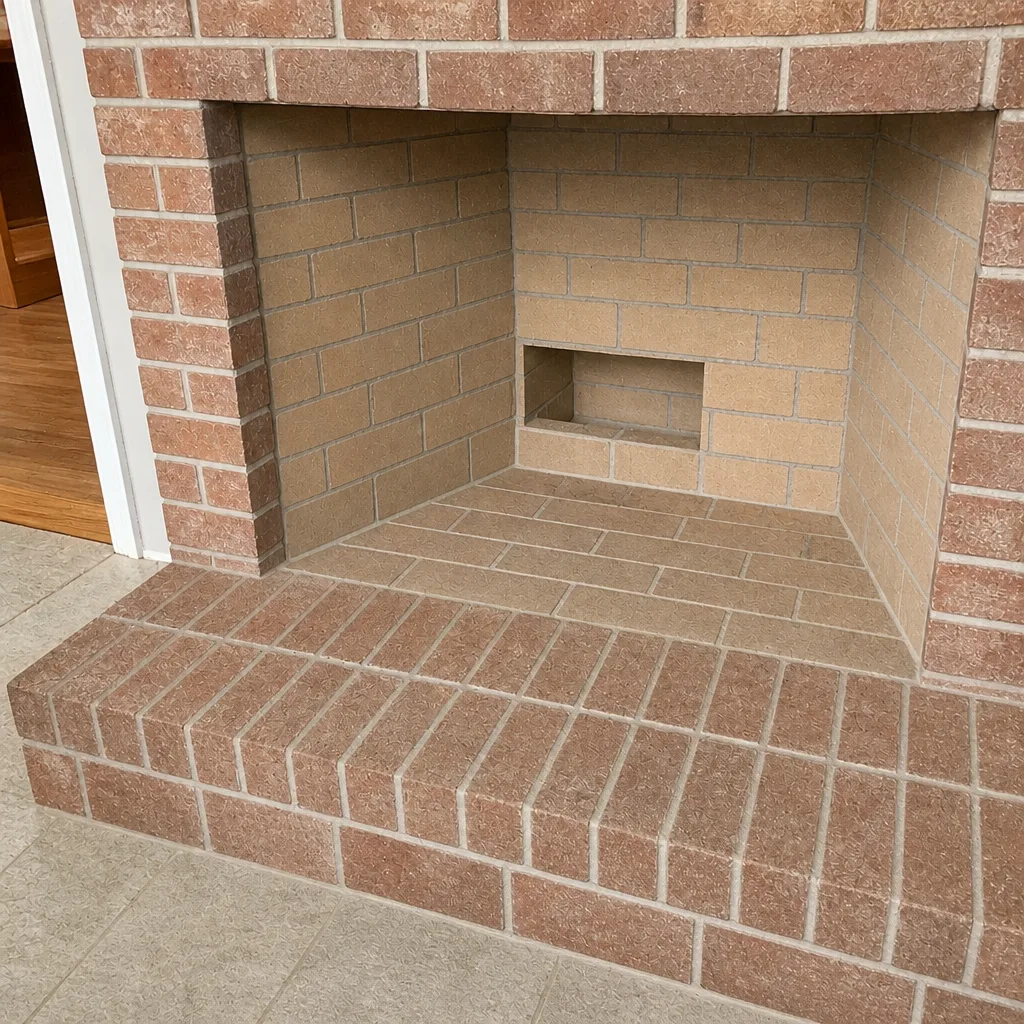 After
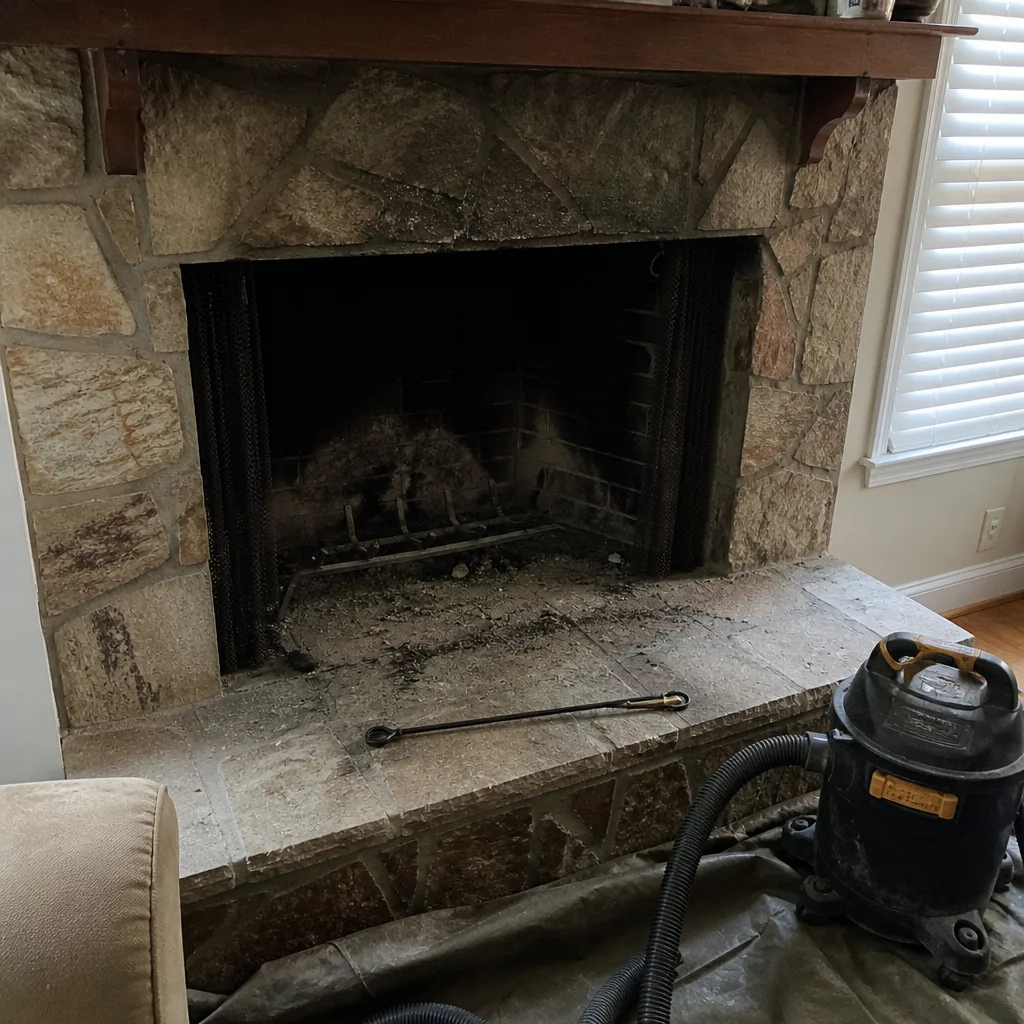 Before
 After
 Before
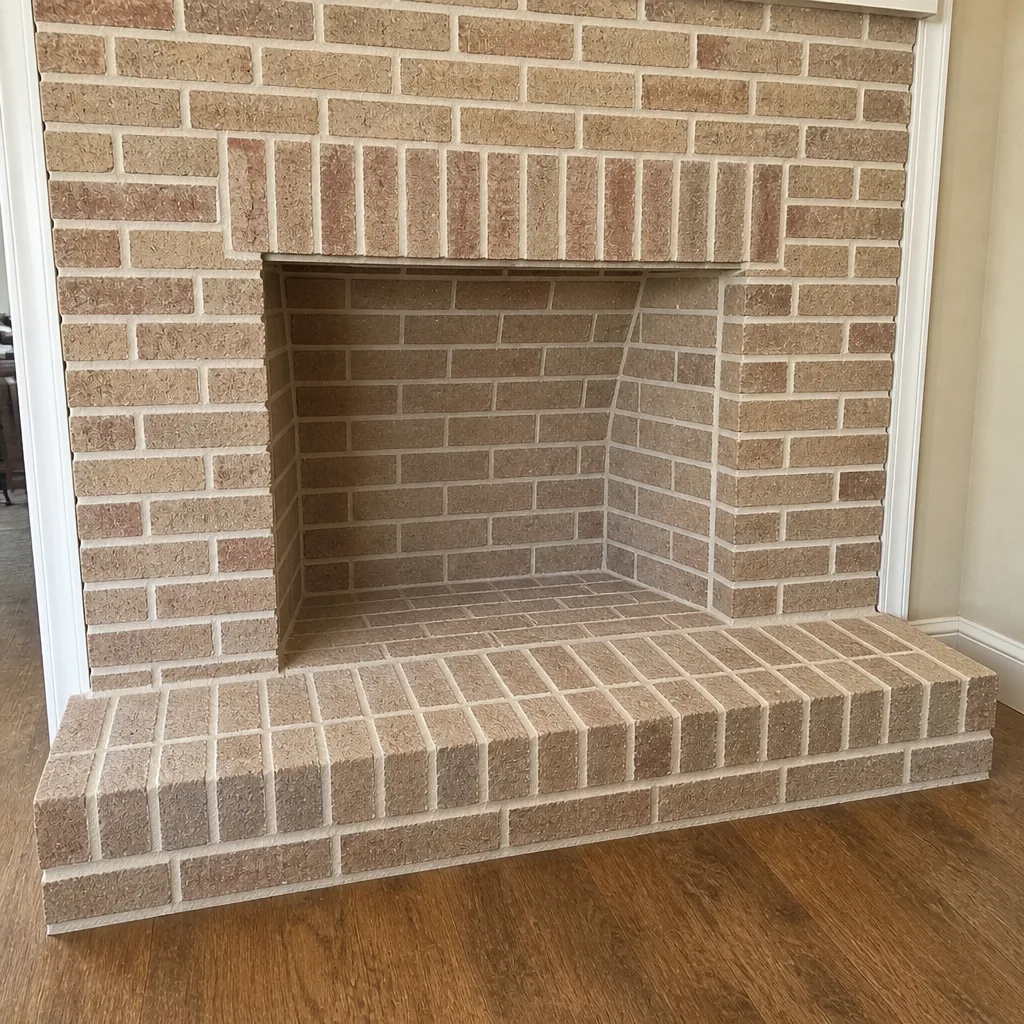 After
When to Call a Professional
If you’re seeing smoke inside the house, sharp or musty odors that don’t clear after cleaning, visible cracks or loose tiles, water stains on the firebox, evidence of a chimney fire, or bird activity around the flue, it’s time to call. A Level 2 camera inspection is the right first step when the cause isn’t obvious. Gas appliances and anything that requires the roof should always go to a professional. Concord Chimney Cleaning offers free estimates in Concord. Call (866) 665-4951. We answer 24/7. Fast dispatch from 7am to 7pm, Sunday through Friday.
Frequently Asked Questions
Smoke into the room is caused by backdraft, a partial flue obstruction, or both, and the fix depends on which. If it happens only on start-up and clears as the fire heats, it’s usually a pressure imbalance. If it happens no matter how hot the fire gets, suspect a restriction or damage in the flue. Call (866) 665-4951 and we’ll help you sort out which one it is.
For most wood-burning fireplaces, once a year is the standard baseline, and more often if you burn heavily. A chimney should also be swept when you see soot on the firebox, a sluggish fire, or a build-up of soot on the glass, regardless of the calendar. Call (866) 665-4951 for a free estimate.
Sometimes, and only for the simple causes. Check that the damper opens fully, confirm the cap is clear from the ground, and try running the fire with exhaust fans off. If the problem returns whenever the house is sealed up, that’s a pressure issue that needs a professional to diagnose properly. Call (866) 665-4951 to book a visit.
A musty smell usually indicates moisture intrusion, which is a maintenance problem rather than an immediate hazard, but it will damage the masonry if it’s left. A sharp, acrid smell is different and can indicate creosote buildup that needs a sweep. Either way, the cause is worth finding rather than masking. Call (866) 665-4951 for an exact quote on inspection.
You need one if you have a symptom that a visual check can’t explain: smoke problems after a sweep, a recent flue change, water intrusion, or a history of chimney fire. A clean, well-running chimney with no symptoms usually gets by on a Level 1 visual during a routine sweep. Call (866) 665-4951 to talk through which level fits your situation.
Skipping one season leaves creosote in the flue, and creosote is the fuel in a chimney fire. The build-up also narrows the flue and worsens the draft over time, which makes the fire burn dirtier and adds more creosote. The flue liner is designed to contain heat and gases, and a creosote fire can damage it in ways you can’t see. Call (866) 665-4951 for a free estimate.
The Bottom Line
The pattern behind almost every chimney problem is the same: a symptom with more than one possible cause, and a fix that depends on getting the diagnosis right first. Smoke, odor, and a lazy fire can each point to creosote, structural damage, negative pressure, or a failing cap, and only a diagnostic sequence plus a camera inspection tells you which. Work through the causes in order, match the smell to its source, and don’t let a generic sweep stand in for a real diagnosis. If the cause is unclear, or the work moves above the firebox, call a professional. Concord Chimney Cleaning spans sweep, inspection, and repair, so the diagnosis and the fix happen under one contractor, and the material going into your chimney is a named product rather than a generic substitute.
If you’re in Concord and you’re not sure which problem you’re dealing with, call (866) 665-4951 for a free estimate. We answer 24/7. Fast dispatch from 7am to 7pm, Sunday through Friday. More field guidance for the area is on our Concord Chimney Cleaning page if you want to keep reading before you call.
Written by the team at Concord Chimney Cleaning.