
Last updated November 15, 2026
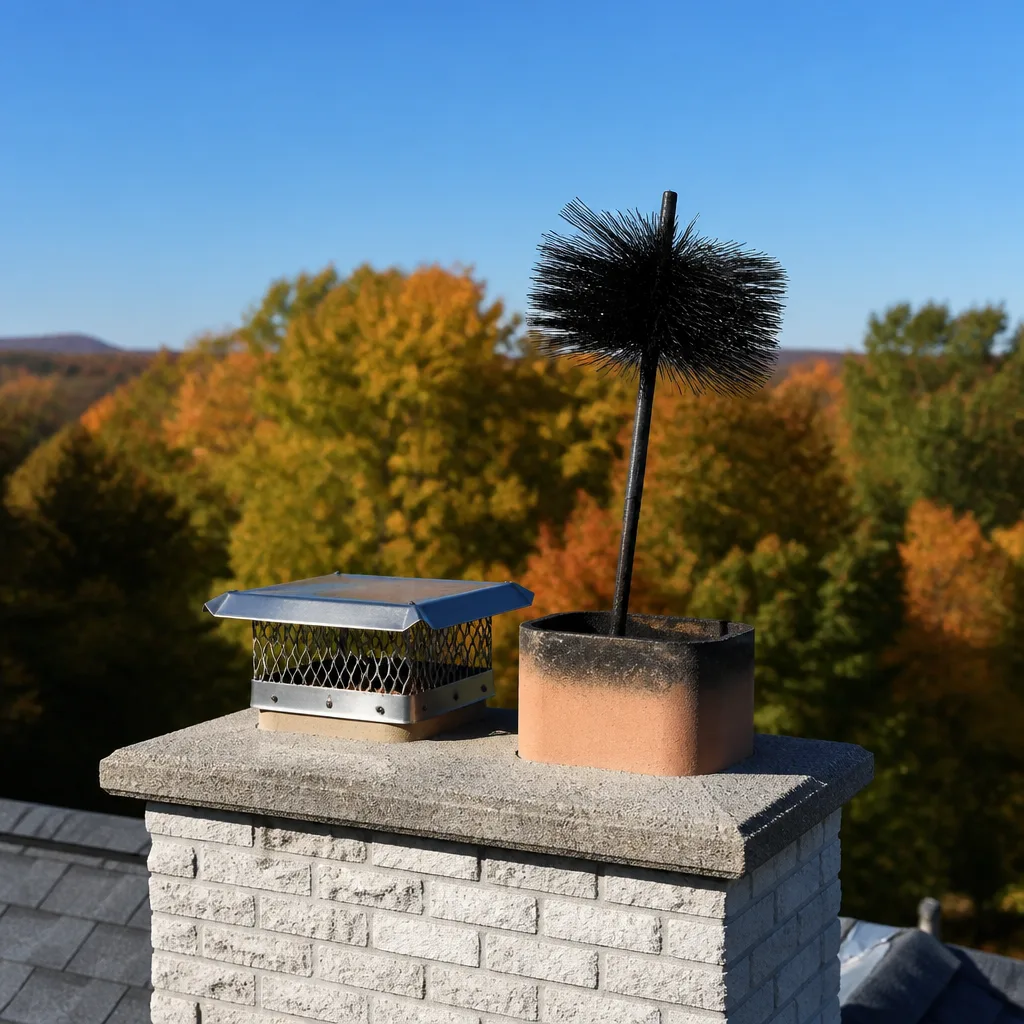 Sweep & inspection
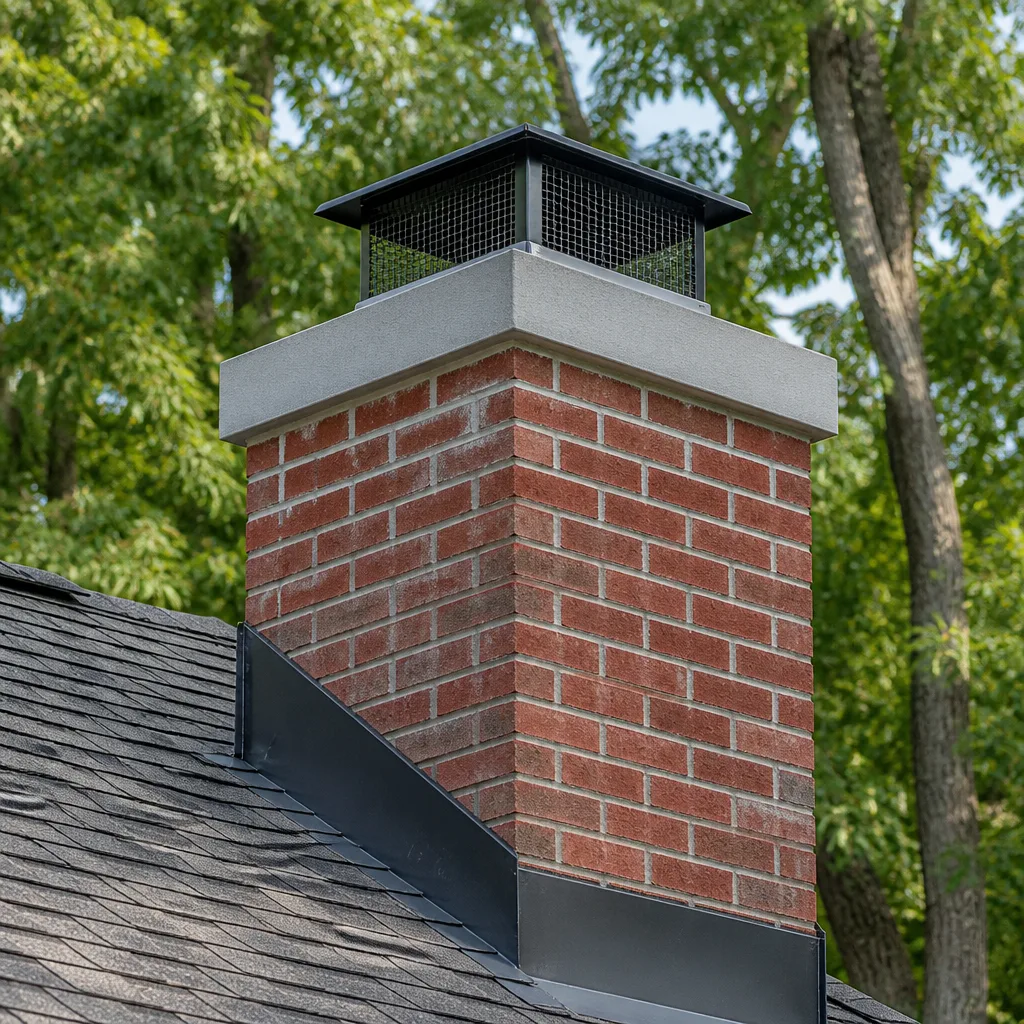 Caps & crowns
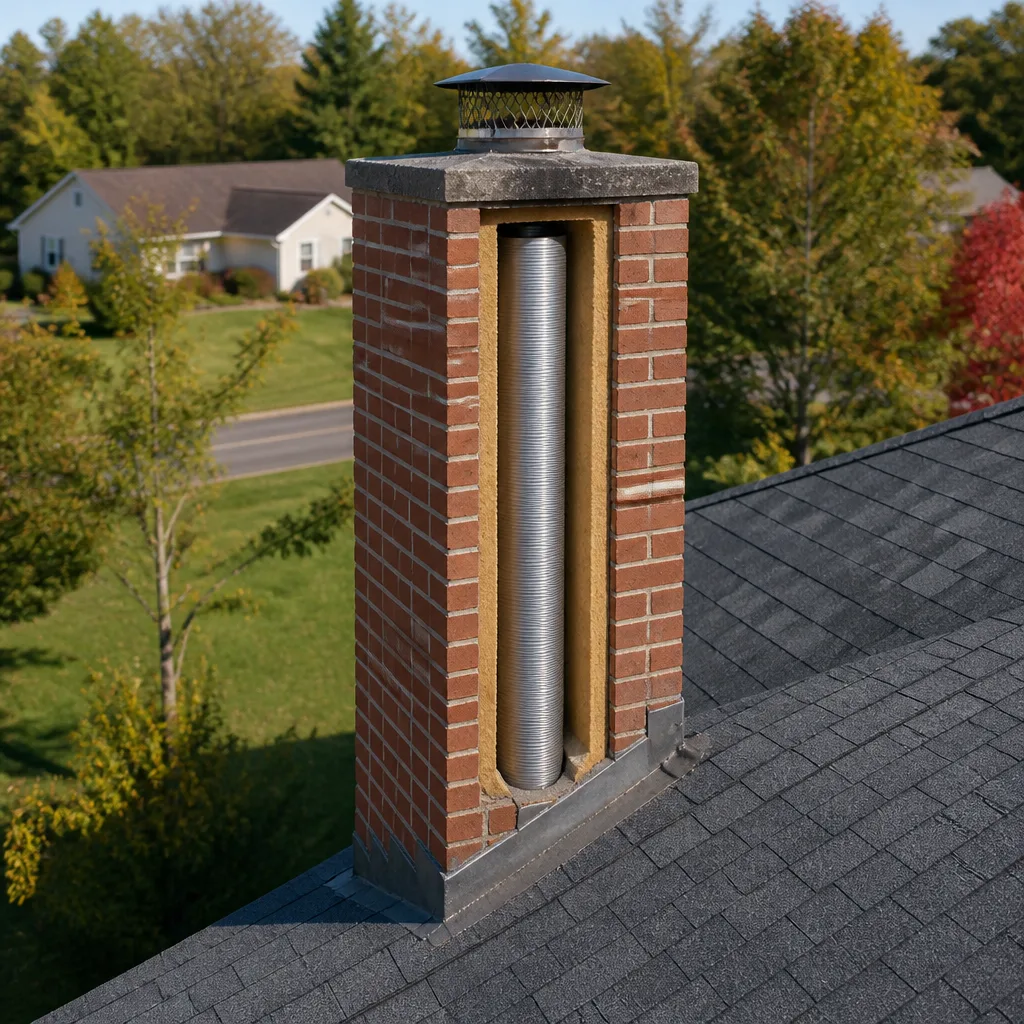 Flue relining
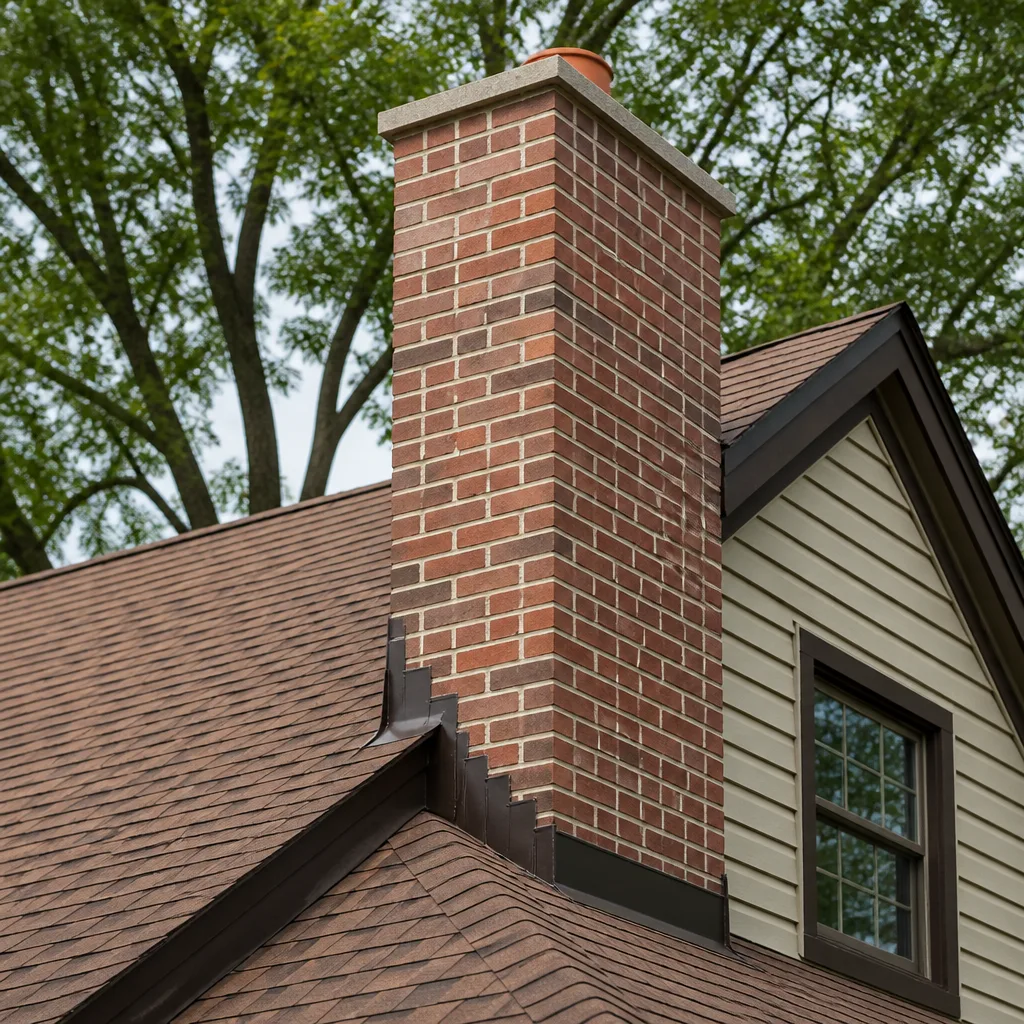 Masonry repair
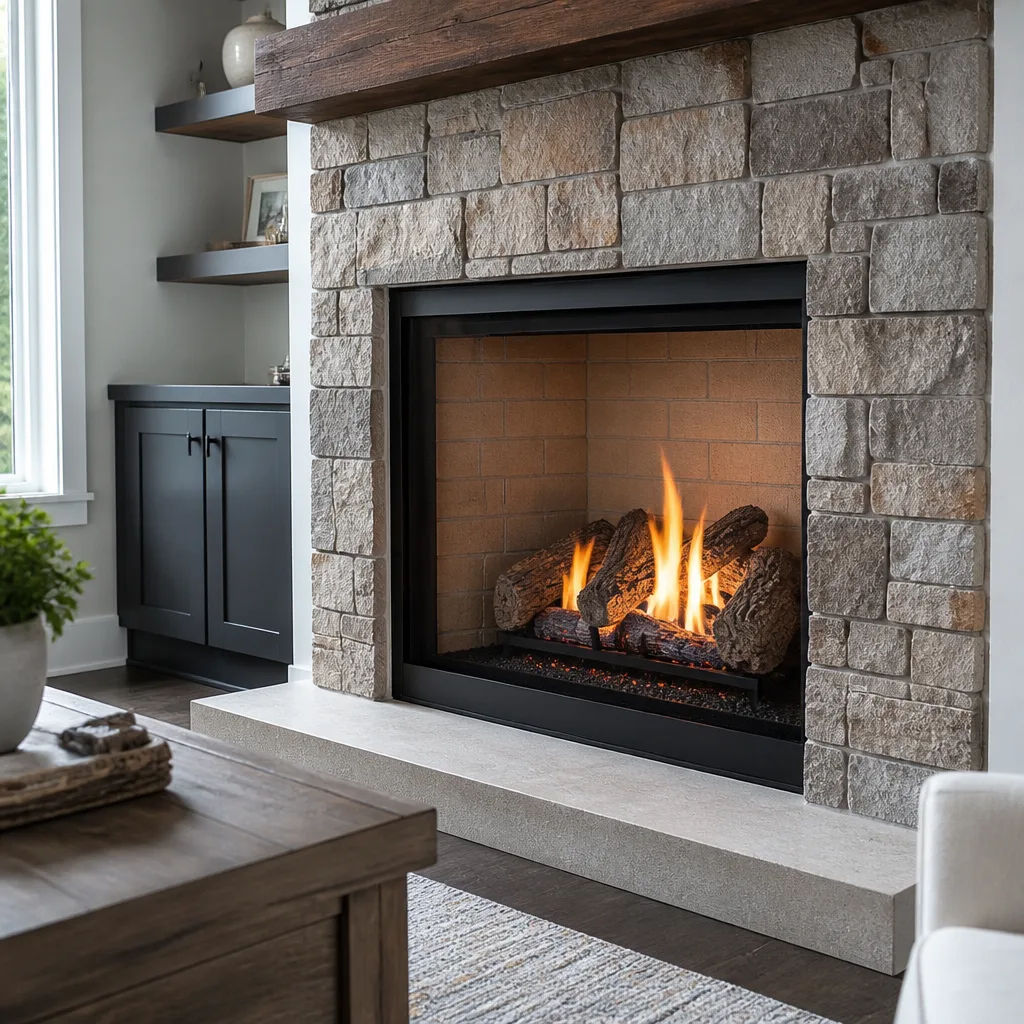 Gas fireplace service
Level 1 sweep and inspection to the NFPA 211 annual standard - flue, crown, cap, and flashing checked and photographed
Chimney sweep logs do not sweep chimneys. They loosen some creosote - which then falls where a brush and vacuum still have to collect it.
Choosing the Right Chimney Cleaning Brand: A Buyer’s Guide for Concord
When a contractor says they’ll “reline your chimney,” what they’re actually saying is almost entirely determined by which product line they specify. Most homeowners never ask. They hear a price, nod, and later discover that the “stainless liner” in their flue could be one of a dozen very different materials with very different lifespans. The chimney product market splits sharply between vetted, tested systems backed by real warranties and anonymous generic components that look identical on a quote but age differently in a humid Concord summer. This guide teaches you to read a contractor’s material list as a quality signal, covering liner categories, cap materials, UL listing, and how product warranties actually work.
Quick Answer
The right chimney brand for your Concord home is the one whose products are named on your written estimate, carry a UL listing, and come with a warranty that transfers to you as the homeowner. Vetted systems like DuraFlex flexible liners and HeatShield ceramic resurfacing are tested to standards that generic substitutes don’t meet. A contractor who specifies products by name is easier to hold accountable than one who quotes a mystery material with no manufacturer behind it.
Table of Contents
- Why the Brand on the Estimate Matters More Than the Price
- The Major Categories of Chimney Products, Explained
- What UL Listing Verifies, and What It Doesn’t
- Reading Two Quotes: Named Products vs. Generic Descriptions
- Chimney Caps and Crowns: Material Grade and Concord Humidity
- How Product Warranties Transfer, and Why It Matters
- Liner Restoration Without Full Replacement
- Questions to Ask Before You Sign
Why the Brand on the Estimate Matters More Than the Price
A chimney liner is a system, not a commodity. The stainless alloy, the wall thickness, the seam construction, and the insulation all affect how the liner performs over years of heating and cooling cycles. Two liners can look the same in a photo and be engineered to very different standards. When a contractor names the product, they’re telling you which engineering standard they’ve chosen for your flue.
Concord’s climate adds a variable that coastal or desert buyers don’t deal with in the same way: a long, humid stretch each year that tests how a system handles moisture. A liner that’s under-specified for damp conditions can show corrosion faster than its nominal lifespan. That’s a product choice issue, not a workmanship issue, and it’s invisible on a quote that simply says “stainless steel liner.”
Here at Concord Chimney Cleaning, we work with professional-grade product lines and specify them by name on every job. Not because the names are magic, but because a named product has a manufacturer behind it who tested it, documented it, and warrants it. An anonymous component has none of that, and when something fails five years later, there’s nobody to call.
If you’re still deciding whether to have a sweep at all, our guide to a chimney sweep in Concord covers the process from the homeowner’s side: what the technician does, what’s included, and how to know when it’s due.
The Major Categories of Chimney Products, Explained
The chimney market categorizes products by what they do, not by who makes them. Understanding the categories lets you read any contractor’s material list and know what they’re proposing.
Flexible stainless liner systems
A flexible liner is a continuous stainless-steel flue that runs inside an existing chimney, sealing the exhaust path and protecting the surrounding masonry. It’s used when the original clay tile liner has cracked, spalled, or been damaged by a previous fire. Flexible systems are what make relining possible in older homes with offset or angled flues where a rigid liner won’t fit. DuraFlex is one of the manufacturers that specializes in this category, and it’s a system we rely on for complex configurations that rigid-only contractors turn away from.
Ceramic resurfacing systems
HeatShield is a repair-and-restoration product, not a replacement liner. It’s installed inside an existing flue to resurface deteriorated clay tile. Where the liner hasn’t been broken through, this restores its integrity without the cost of a full liner installation. It’s a repair that sits where most basic sweep companies don’t have the capability to go.
Caps, covers, and top components
Caps and tops are the weather-facing parts of the system. They’re available in stainless, galvanized, cast-in-place concrete, and prefab in a range of styles. Gelco and Olympia Chimney both manufacture caps and covers, and the material grade is what determines how long they hold up against Concord’s rain and humidity.
Venting components and specialty hardware
Vent pipe, connectors, adapters, and specialty hardware round out the system. Famco and Copperfield are among the manufacturers that produce these components. Less glamorous than liners and caps, but a system is only as strong as its weakest fitting.
What UL listing means for the buyer
A liner material carrying a UL listing has been tested to a specific standard for that application. The listing tells you the material has been evaluated for use as a chimney liner. It doesn’t tell you which thickness, insulation package, or install method was specified, and it doesn’t tell you whether the installer followed the manufacturer’s instructions. The listing is a floor, not a ceiling. It’s the minimum condition for a material to be eligible for installation.
What UL Listing Verifies, and What It Doesn’t
UL listing on a chimney liner means the material has been tested by an independent testing lab to a specific standard for that application. For liners, that includes standards for use with gas, oil, and solid-fuel appliances. The listing tells you the material has been evaluated for use as a chimney liner.
But there’s a real gap between “the material is listed” and “the system is properly installed.” Here’s what a UL listing on the material doesn’t verify:
- Wall thickness is adequate for the appliance. A gas fireplace and a wood stove have different requirements, and the same material grade isn’t always right for both.
- Insulation is present where needed. Liners may need insulation for performance and safety, and that’s a separate product that isn’t captured by the liner’s own listing.
- The installation follows the manufacturer’s instructions. This is the biggest variable and the one to ask about directly. The best material installed incorrectly still fails.
- The connections are correct. The appliance connector, the top termination, and the liner itself have to be matched to each other.
- The system is sized correctly for your flue. Draft and combustion depend on it, and a mismatched size undermines everything.
So when a contractor says “UL listed,” that’s a good start, but it’s the beginning of the conversation, not the end. Ask what the manufacturer requires for the appliance you have. Ask for a written specification. At Concord Chimney Cleaning, our technicians have up to 10 years of experience with these systems, and the specification we put on a quote is what the installer works from.
Reading Two Quotes: Named Products vs. Generic Descriptions
Here’s where most homeowners get confused: two quotes can sit side by side for the same job and look broadly similar in scope, but be worlds apart in what’s actually being installed. The difference is in the specification line, not the price line.
What a named-product quote looks like
- “DuraFlex flexible liner, [specified grade], [specified diameter], with required insulation”
- “HeatShield ceramic resurfacing for existing clay tile”
- “Stainless steel cap, Olympia Chimney, [specified model]”
What a generic quote looks like
- “New stainless liner installed”
- “Liner repair / resurfacing as needed”
- “Chimney cap included”
The named quote does three things the generic quote doesn’t. It tells you what’s going into your chimney. It lets you verify the product with the manufacturer. And it creates a record that’s reportable to a manufacturer if something goes wrong. The generic quote makes all of that impossible.
This is the core of the split in today’s market. A professional-grade product line comes with a manufacturer, documentation, and a warranty. An anonymous component has none of these, and when it fails, the homeowner is left holding a bill and a photo of a chimney that doesn’t match anyone’s records.
The good news is you can ask for the difference. Before signing, ask any contractor to name the products on the estimate. If they can’t or won’t, that’s information.
Chimney Caps and Crowns: Material Grade and Concord Humidity
Caps and crowns sit at the top of the chimney and take the full weather load. In Concord, that load includes a long humid summer with regular rain. The material grade on these components determines how long they hold up, and it’s the part of the system most commonly under-specified on a quote.
Cast-in-place vs. prefab
A cast-in-place crown is poured to the shape of your specific chimney and sits over the masonry. It’s the standard for a durable top. A prefab crown is a pre-formed metal or composite piece that fits over or into the chimney. Prefab is faster to install and lower in material cost, and it’s often used where the budget requires it or where the existing crown can’t carry a poured replacement. Both have their place; the question is whether the contractor is choosing the right one for your chimney or just installing what’s available.
Stainless vs. galvanized
Stainless steel caps resist corrosion for the long term. Galvanized steel is cheaper and often rusts through faster, particularly at seams and welds. In Concord’s humidity, the difference shows up earlier than it would in a drier climate. A cap that rusts through isn’t just unsightly; it fails to keep rain and animals out of the flue, which shortens the life of everything below it.
Why Gelco and Olympia Chimney show up in our work
Gelco and Olympia Chimney both manufacture caps and covers in grades that suit a humid, rain-heavy climate. When we install a cap as part of a repair, we specify the product on the estimate so you know which one you’re getting. A cap is a small part of the job in cost terms and a critical part in protection terms, and there’s no reason for it to be a mystery.
How Product Warranties Transfer, and Why It Matters
Here’s a question that almost no homeowner asks, and it’s the one that matters most years down the road: if the liner fails, who’s responsible?
Product warranties are generally written to the manufacturer’s terms. Some are limited to the original purchaser, some transfer with the home, and some don’t transfer at all. The specifics vary by product and by warranty. What’s true across the board is that a warranty record requires a named product. If the quote says “stainless liner,” there’s no warranty to look up, no serial number to report, and no claim to file. The manufacturer doesn’t know the job exists.
Why this matters for a Concord homeowner:
- Resale. A chimney repair with a documented product line and a transferable warranty is an asset. An undocumented repair is a question the buyer’s inspector will flag.
- Future service. If a different contractor looks at the chimney later, a named product tells them what they’re dealing with.
- Accountability. A warranty is a formal commitment from a manufacturer that the product will perform. That commitment is worth having.
Ask any contractor how the warranty on their materials works, who holds it, and whether it transfers. A contractor using named products has ready answers. One using whatever’s on hand won’t.
Liner Restoration Without Full Replacement
HeatShield is a ceramic resurfacing system used to restore deteriorated flue liners without a full liner replacement. It’s applied inside the existing flue to rebuild the integrity of the clay tile. Where the tile hasn’t been broken through entirely, resurfacing can restore the liner to its original function.
That capability matters for a specific reason: it’s a repair option most basic sweep companies can’t offer. The choice between “resurface the liner” and “tile-break the existing liner and install a new one” has a real cost consequence. Without the resurfacing option, the answer is always the more expensive one, whether the chimney strictly needs it or not.
HeatShield work is a repair, not a substitution for a chimney inspection. It’s used when the inspection shows the tile is intact enough to receive the coating. If the tile is cracked through, the resurfacing option may not apply, and that’s a judgment the inspection has to make. If you want to understand how your chimney gets evaluated, our guide to chimney repair in Concord walks through the inspection-to-repair sequence.
We specify HeatShield on the estimate when it’s the right approach, and we tell you when it’s not. The product is a tool, not a universal answer.
Questions to Ask Before You Sign
Here’s a list you can take to any contractor, in Concord or anywhere else.
- What products are you specifying, by name? Liner, cap, insulation, connector. Every material line should have a product name on it.
- Are those products UL listed for my appliance? The listing should match what you have installed.
- What does the manufacturer require for installation? Ask to see the written specification.
- Does the product warranty transfer to me? And what are the terms?
- What happens if the liner fails in five years? Who do I call, and what documentation will I have?
- How did the inspection determine I need this? A repair without an inspection behind it is a guess.
- Are there repair options short of replacement? A contractor who offers both is giving you a real choice.
The number of questions is a sign of how badly the market needs them. Contractors who know their materials answer these comfortably. Contractors using anonymous supply-chain components tend to get vague. The questions themselves do most of the sorting.
Common Mistakes to Avoid
- Accepting a quote that says “stainless liner” without specifying which. Stainless alloys and thicknesses vary widely. Ask for the product name and the grade.
- Assuming UL listing means the installation is correct. A listing on the material tells you nothing about whether it was installed per the manufacturer’s instructions. Ask.
- Chasing the lowest sweep price. A low-cost sweep that skips the inspection leaves you without the information you need to make decisions. The inspection is the point.
- Hiring a sweep company that can’t do the repair. If the sweep discovers damage and can’t fix it, you’re paying for two visits and a handoff. Look for a company that handles sweep, inspection, and repair.
- Choosing a galvanized cap to save on material. In Concord’s humidity, galvanized rusts through earlier, and a failed cap puts rain on everything below it.
- Never asking about the warranty. A warranty record requires a named product. If there’s no name, there’s no record.
- Skipping the question of repair options. Full replacement isn’t always the right answer. If a contractor only offers one path, find out why.
When to Call a Professional
Chimney work is in the category of jobs where the inspection matters more than the fix. Call a professional when you’ve had a chimney fire, even a small one, since the damage isn’t visible from the outside. Call when you smell smoke in the house during a fire, or see creosote staining on the chimney exterior. Call when you’ve never had the chimney inspected and you’re using the fireplace or a wood stove, and call before the heating season starts if you’ve moved into a new home with an unfamiliar chimney. Call when a repair has been recommended without documentation and you want a second set of eyes on it. Concord Chimney Cleaning offers free estimates in Concord, and we can look at your chimney, tell you what’s actually there, and put the products on paper. Call (866) 665-4951. We answer 24/7. Fast dispatch from 7am to 7pm, Sunday through Friday.
Frequently Asked Questions
A chimney sweep in Concord typically costs between $150 and $300, and a chimney inspection or repair is estimated separately based on what’s found. The exact price depends on the flue configuration, the amount of buildup, and the appliance. The written estimate sets the final price, so the number you see on it is the number you pay. Call (866) 665-4951 for an exact quote; estimates are free.
You need a new liner when the inspection shows the existing clay tile has been damaged or deteriorated beyond what resurfacing can restore. If the tile is intact enough to receive a ceramic coating like HeatShield, a restoration may serve instead of a full replacement. The determination comes from an inspection, not from a quote. Call (866) 665-4951 for a free estimate.
The common guideline is to have the chimney swept and inspected annually for wood-burning appliances, and more often if you burn heavily or burn unseasoned wood. Annual inspections catch changes in condition before they become repairs. The schedule is a starting point, and the inspection informs whether your chimney needs more or less frequent attention. Call (866) 665-4951 to book a sweep.
Skipping sweep and inspection lets creosote accumulate and lets small problems go unaddressed until they become larger repairs. A chimney fire is the worst-case outcome and often happens with no obvious warning from inside the house. Small liner cracks that would be a simple repair become full replacements when they’re not caught. The goal isn’t to scare you into a service call; it’s to keep you informed about what’s in the flue. Call (866) 665-4951 for a free estimate.
The brand on the estimate matters because it tells you which product is going into your chimney, whether it carries a warranty, and which manufacturer stands behind it. Concord’s humidity puts real demands on caps and fittings specifically, and material grade determines how long they last. Generic descriptions on a quote leave you without a record. A named product gives you something to verify and something to call on later.
Yes, and that’s the model to look for. Concord Chimney Cleaning handles all three: sweep, inspection, and repair. A company that only sweeps has to hand off the repair to someone else, which means two visits and no single point of accountability. The same company finding, documenting, and repairing the issue keeps the process in one place.
Styles & brands we work with
- Sweep & inspection
- Caps & crowns
- Flue relining
- Masonry repair
- Gas fireplace service
The Bottom Line
The product brand on a chimney estimate is the single clearest signal of contractor accountability. Named products from vetted manufacturers come with documentation, a warranty, and a record you can hold onto. Generic descriptions on a quote do not. Concord homeowners have a real reason to ask about material grade too: this climate stresses the weather-facing parts of a chimney year-round. When you compare quotes, compare the specification lines, not just the totals. Ask which products are being installed by name. Ask about warranties. Ask about repair options short of replacement. A contractor who can answer these, in detail, is the one worth hiring. A contractor who can’t has told you something useful too.
Contact Us
Concord Chimney Cleaning handles sweep, inspection, and repair for Concord homeowners, and we specify the products we install by name. Whether you’re evaluating a quote you’ve already received or starting from scratch, we can walk through the materials, explain what’s in your flue, and put a free written estimate in your hands. Call (866) 665-4951. We answer 24/7. Fast dispatch from 7am to 7pm, Sunday through Friday. Free estimates, and fast dispatch from 7am to 7pm on the day we’re booked.
If you want to learn more about how we work, start with Concord Chimney Cleaning, our Concord service overview, or our chimney sweep and chimney repair pages for the full picture.
Written by the team at Concord Chimney Cleaning.
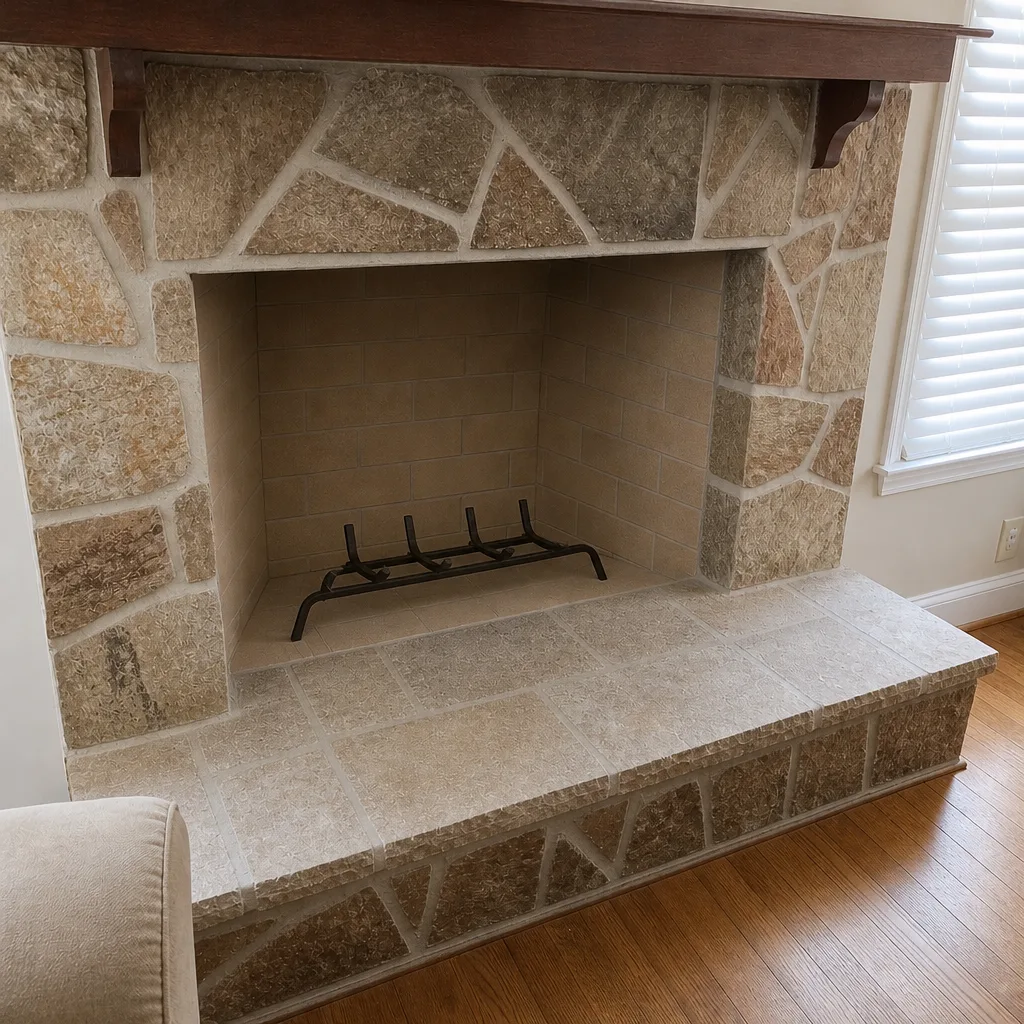
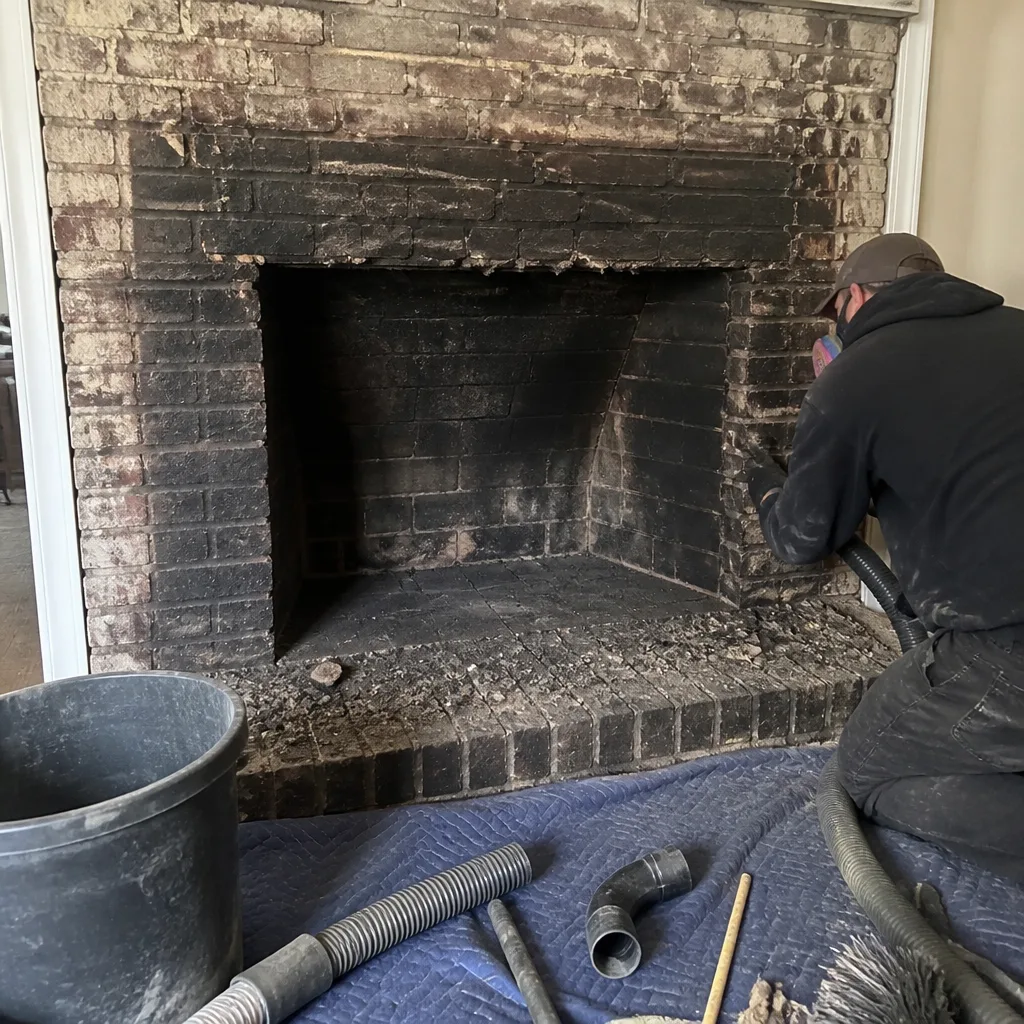
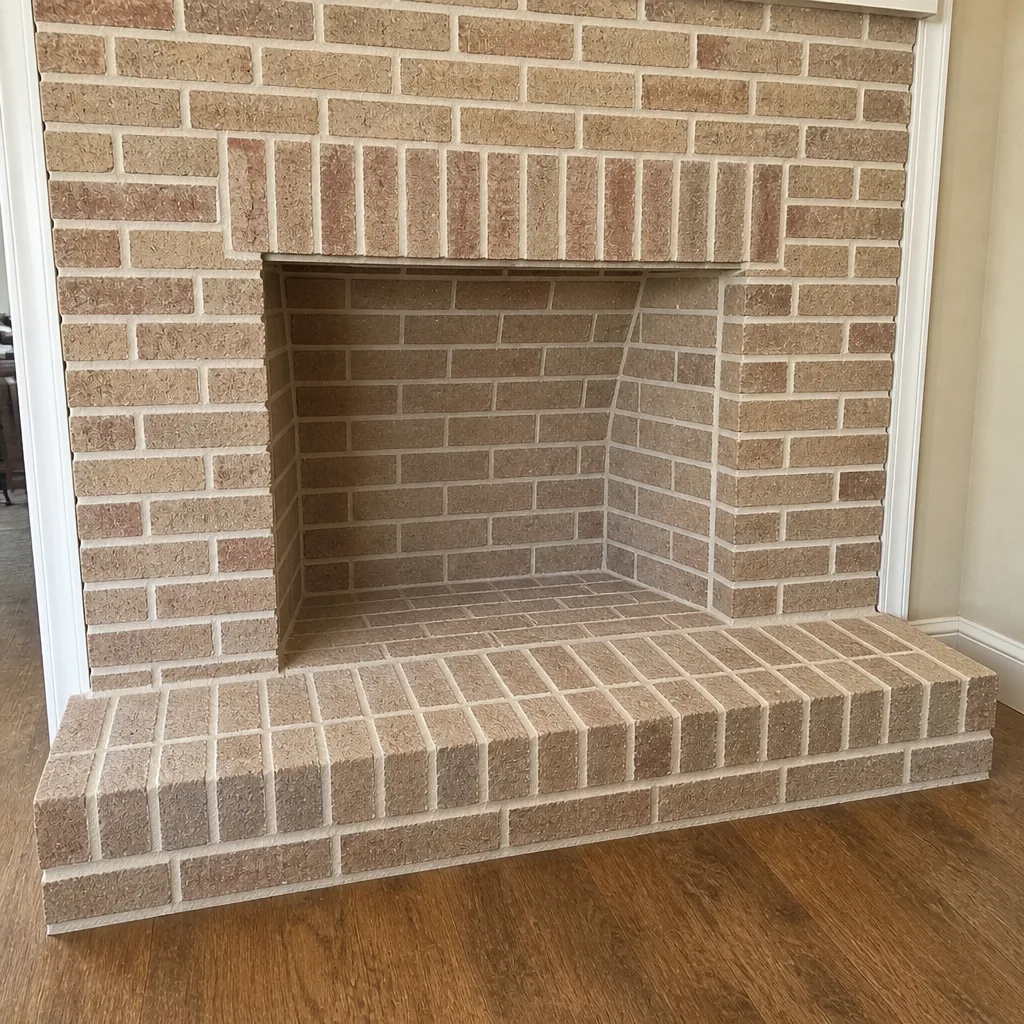
See the difference
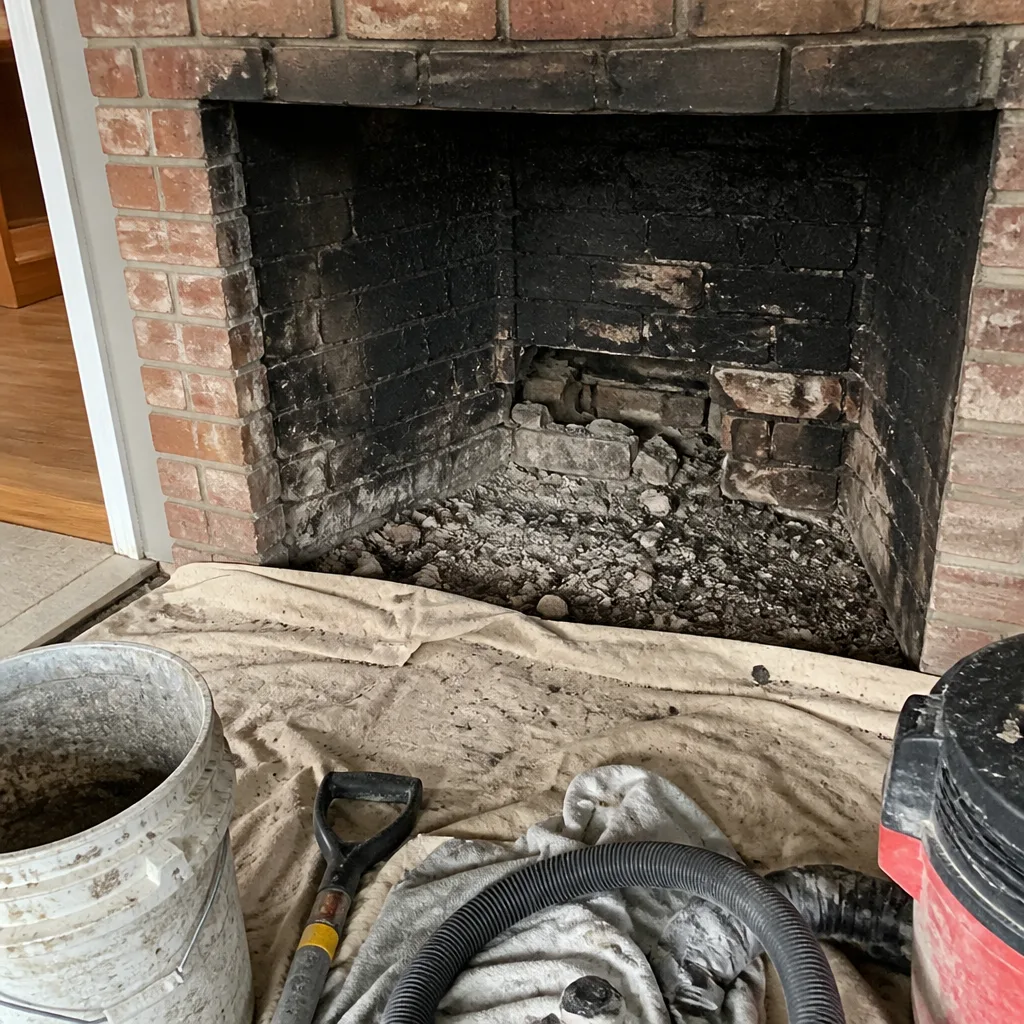 Before
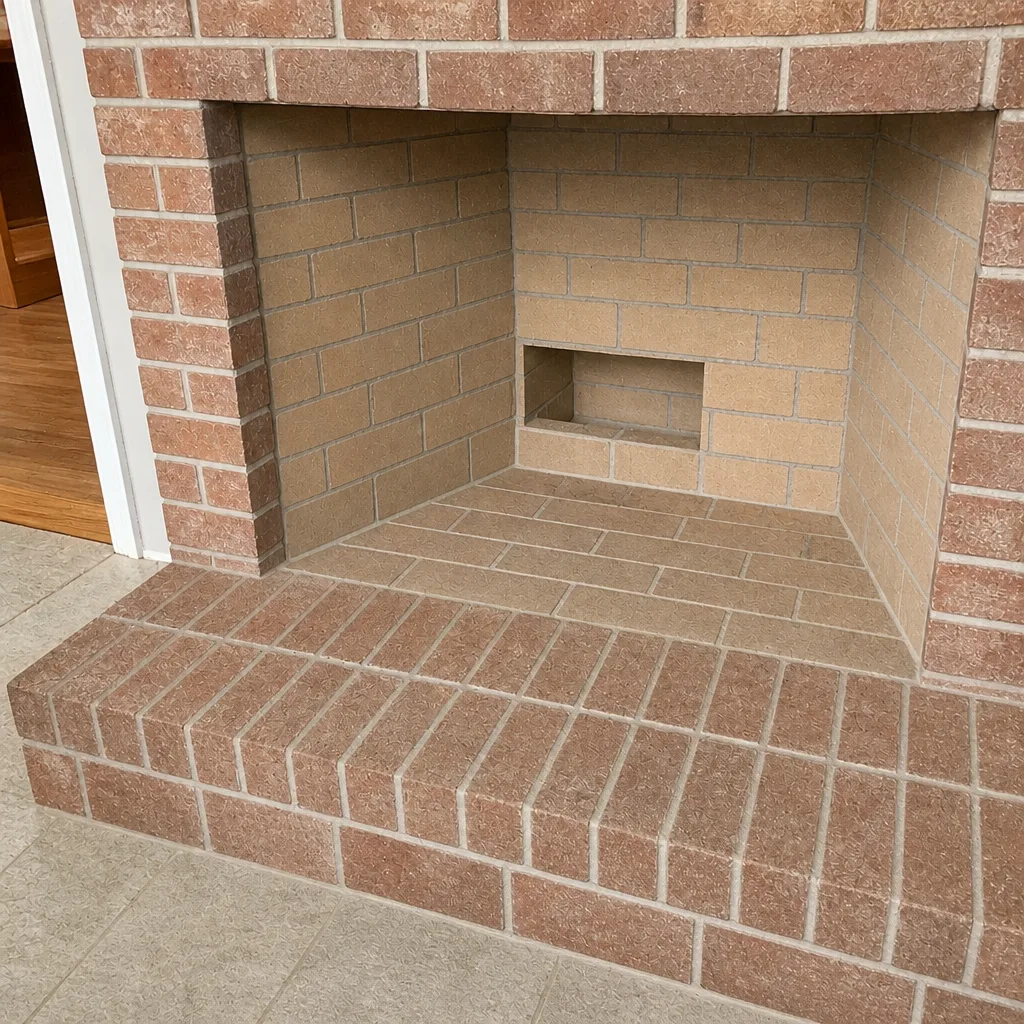 After
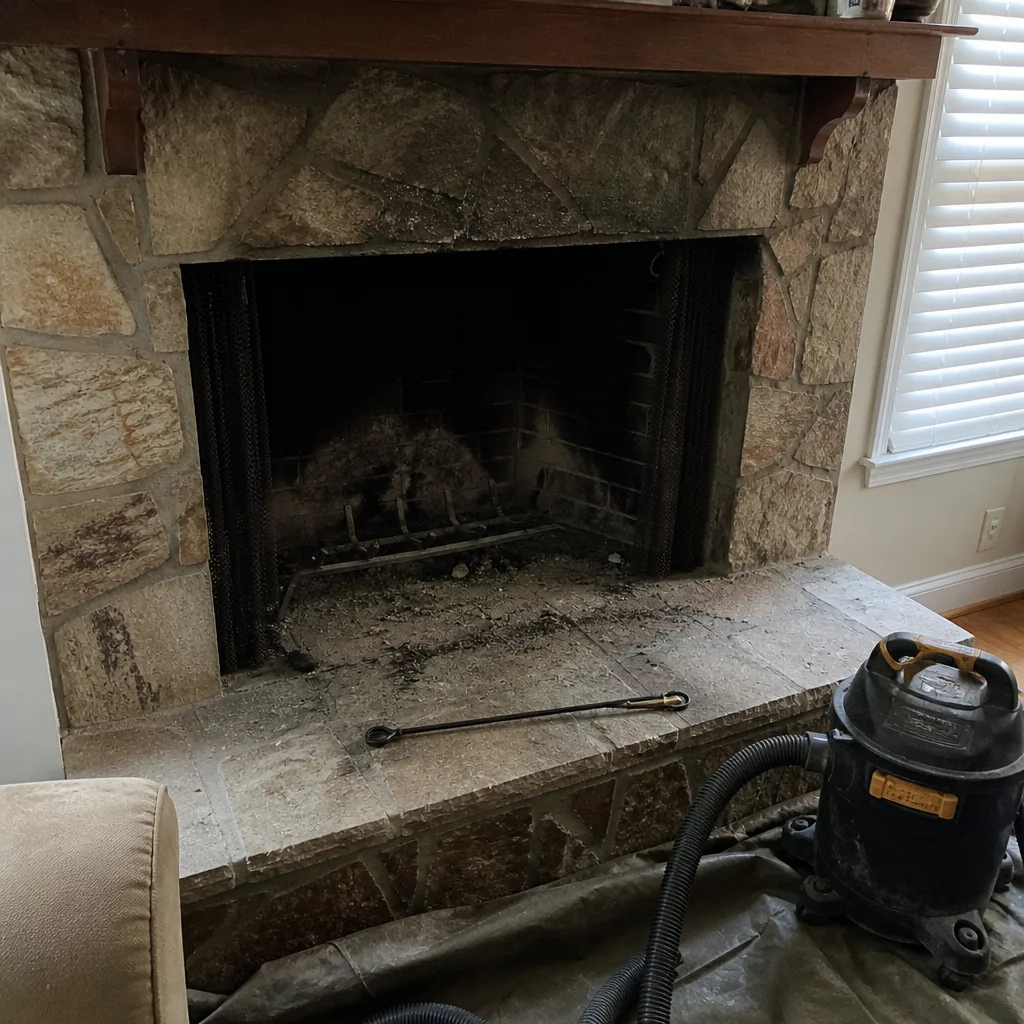 Before
 After
 Before
 After