
Last updated November 15, 2026
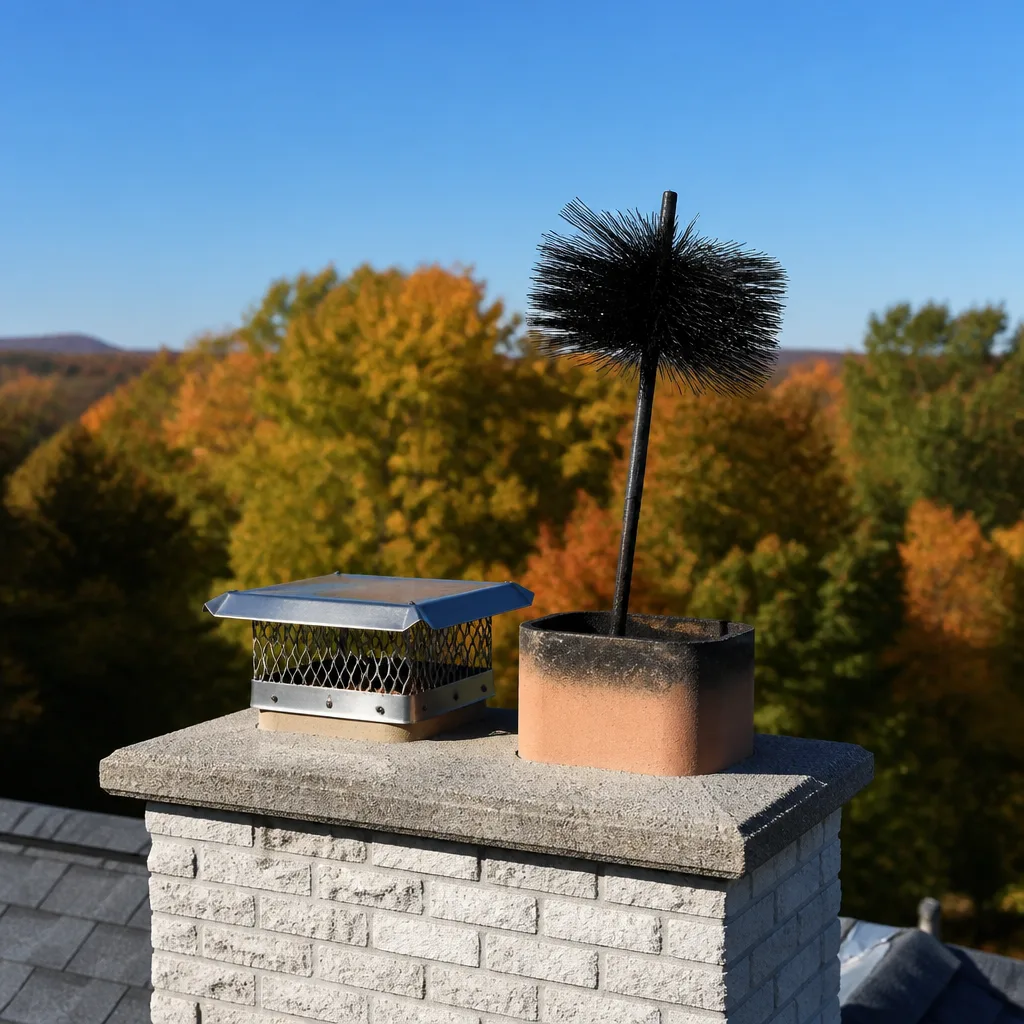 Sweep & inspection
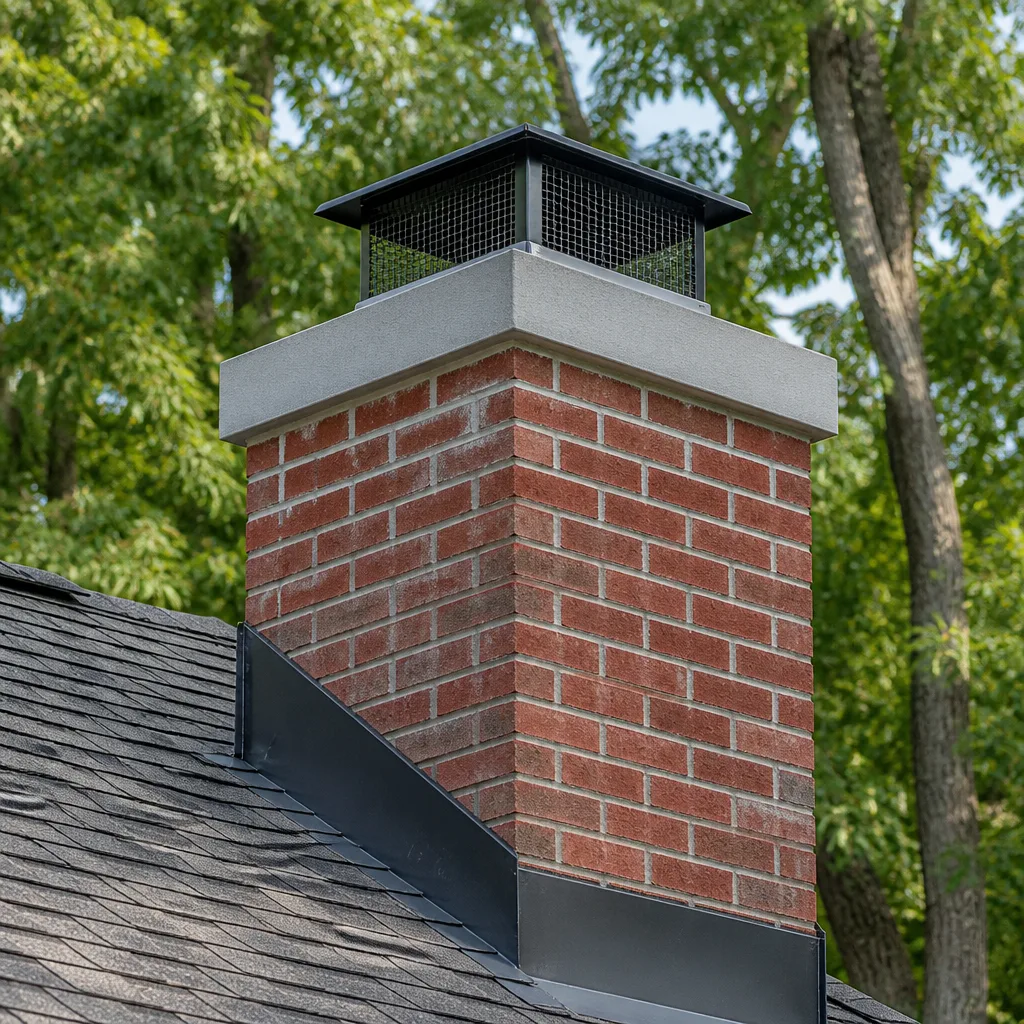 Caps & crowns
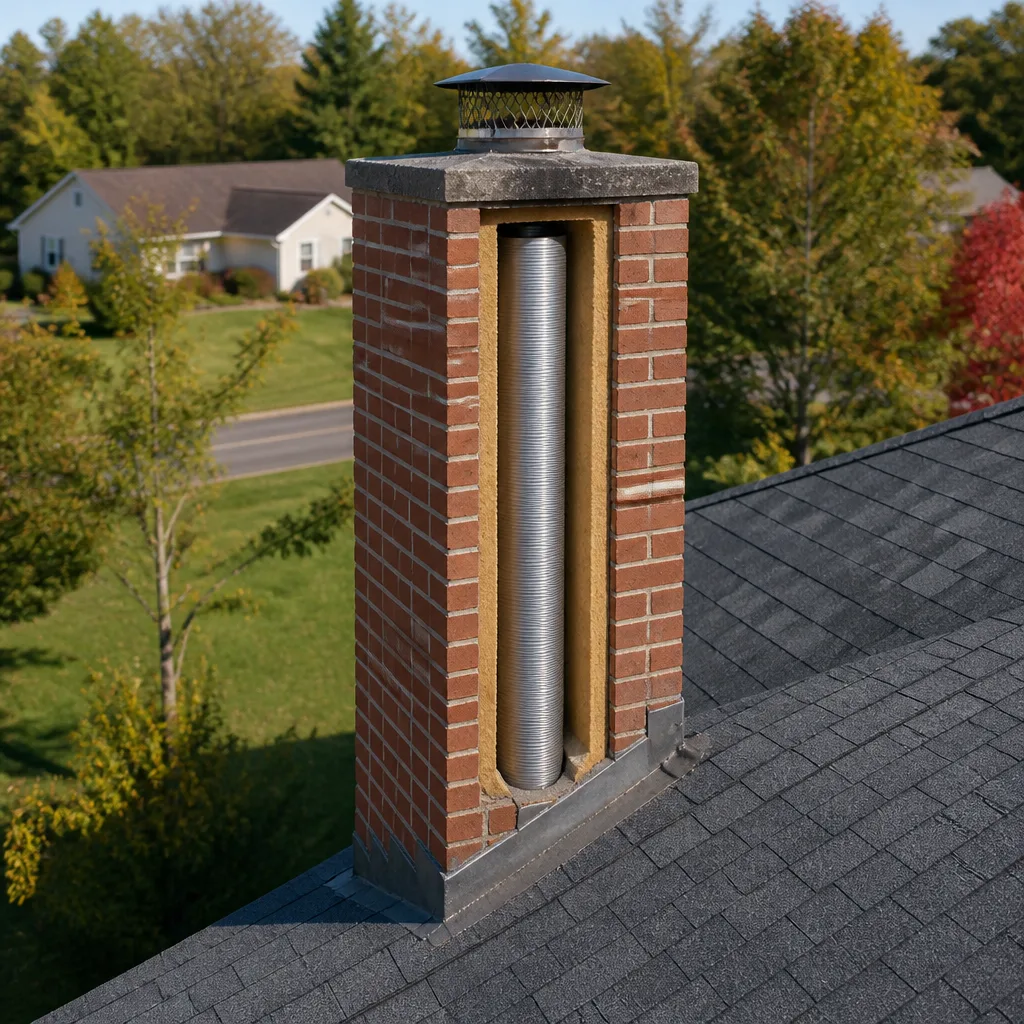 Flue relining
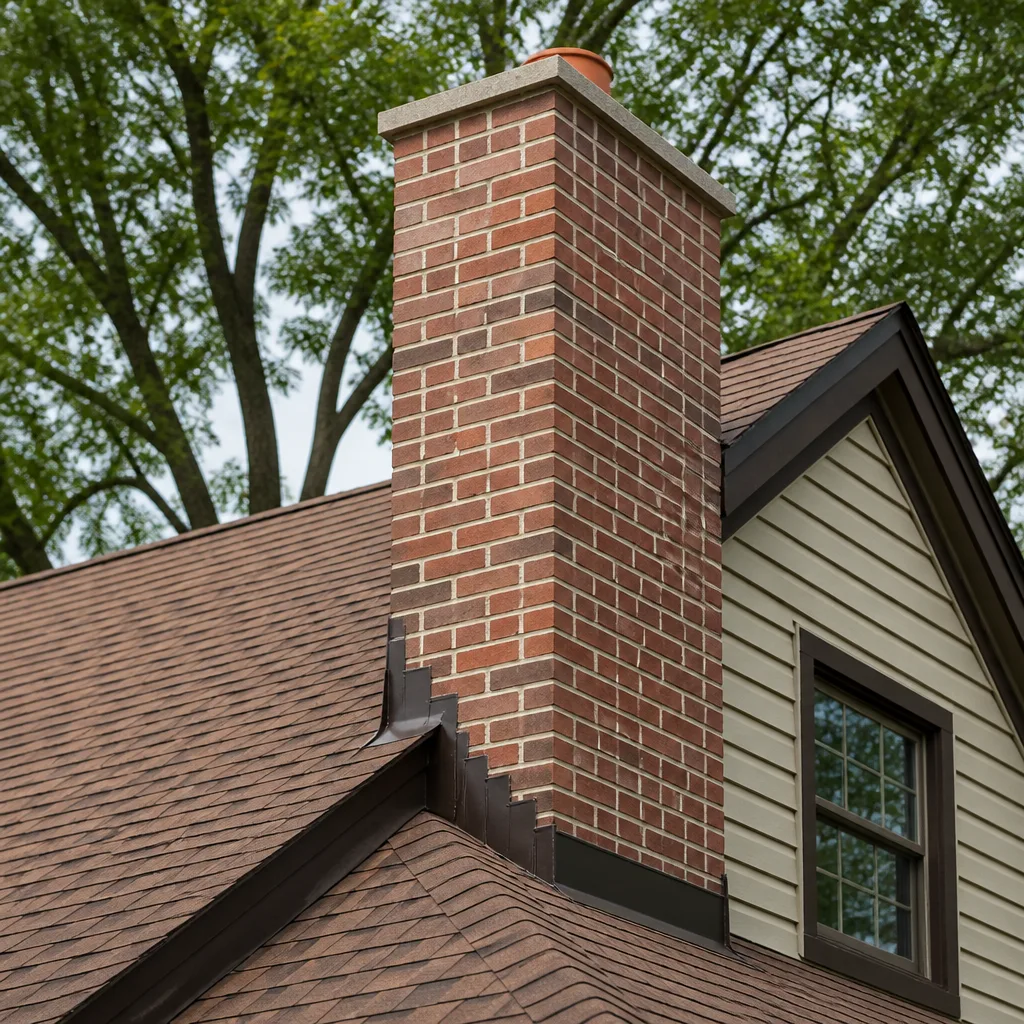 Masonry repair
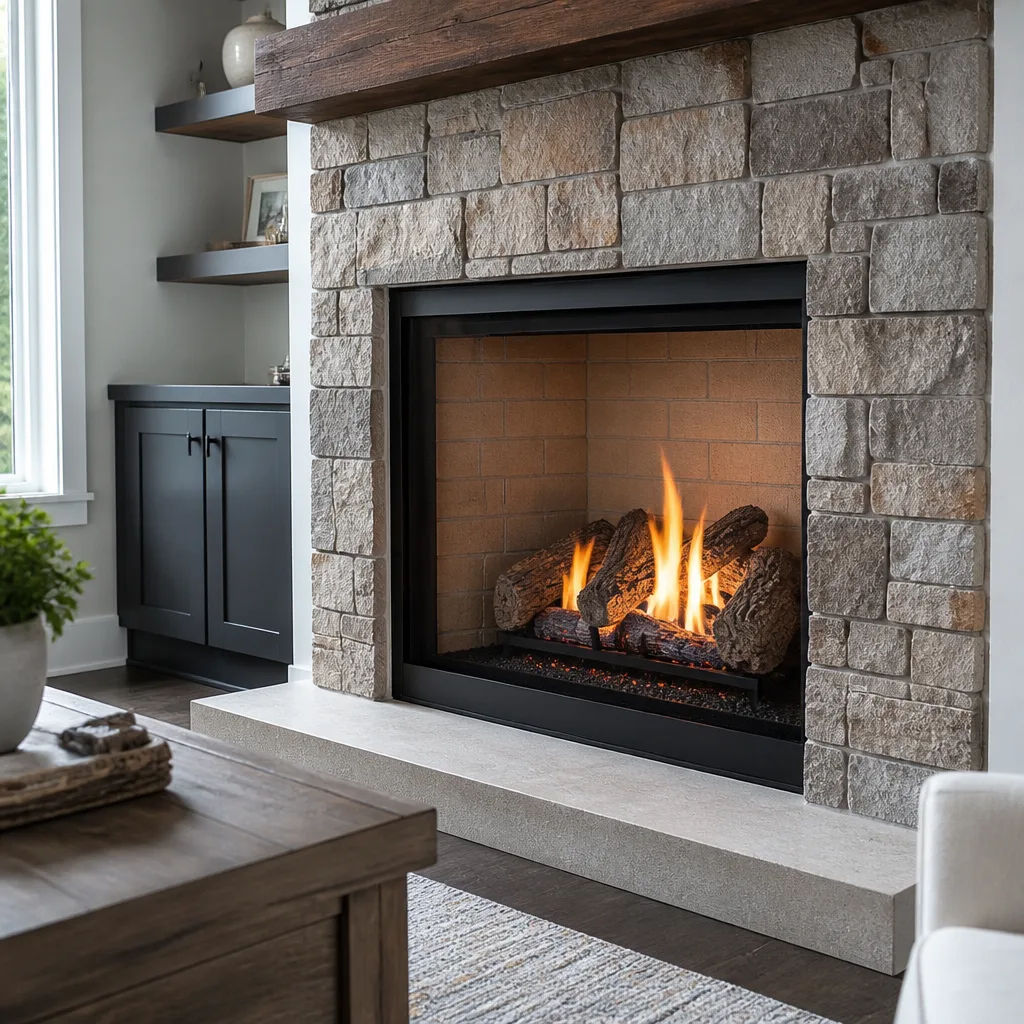 Gas fireplace service
Level 1 sweep and inspection to the NFPA 211 annual standard - flue, crown, cap, and flashing checked and photographed
Chimney sweep logs do not sweep chimneys. They loosen some creosote - which then falls where a brush and vacuum still have to collect it.
Chimney Cleaning Warning Signs: A Concord Homeowner’s Reference Guide
White staining on your chimney’s exterior isn’t a cosmetic issue. It’s your chimney telling you water is moving through the masonry in a way that will cost real money if ignored past one more winter. Most homeowners in Concord read that stain as “old brick” and move on. That’s the problem we run into again and again: chimney warning signs are visible long before they turn dangerous, but nobody’s ever shown you what you’re looking at. This reference guide fixes that. We’ll organize the signs by where they show up – firebox, damper, smoke chamber, exterior masonry, roofline – and give each one a plain-language urgency rating so you know what to monitor, what to schedule, and what means stop using the fireplace now.
Quick Answer
The main chimney cleaning warning signs are glazed or tar-like creosote, soot falling into the firebox, a strong campfire or asphalt smell, white staining on exterior brick, rust on the damper, and smoke that won’t draw up the flue. Any of these means the chimney needs a professional sweep and inspection. Glazed creosote and a stopped-up flue mean stop using the fireplace immediately until it’s cleaned.
Styles & brands we work with
- Sweep & inspection
- Caps & crowns
- Flue relining
- Masonry repair
- Gas fireplace service
Table of Contents
- Firebox Warning Signs
- Damper and Smoke Chamber Warning Signs
- Exterior Masonry Warning Signs
- Roofline and Flashing Warning Signs
- Reading Creosote: What Color and Texture Tell You
- Odor-Based Warning Signs: Campfire, Asphalt, Sulfur
- What Smoke Color and Draw Tell You Before a Sweep
- Urgency Ratings at a Glance
Firebox Warning Signs: What’s Happening Where the Fire Sits
The firebox is the first place most people notice something’s off, and it’s the easiest place to check. Look inside once the fire’s cold and the ashes are cleared. What you’re reading is how completely your wood has been burning and how much byproduct is building up above and around it.
These are the firebox observations that matter, and what each one usually means:
- Crumbling or flaking firebox brick – The refractory material is spalling from heat cycling or moisture. Urgency: schedule service. Crumbling firebox brick eventually lets heat reach the structure behind it.
- White or gray powder on the firebox walls – Efflorescence, which is mineral salts pushed out by moisture. It means water is getting in somewhere. Urgency: schedule service.
- Soot flakes falling onto the hearth – The flue above is loading up and shedding. Urgency: schedule service. This is usually the earliest visible sign that a sweep is due.
- Ash that won’t fully burn down, or a fire that smolders – Often a draft or air problem rather than a cleaning problem, but worth a look. Urgency: monitor.
- Black, shiny buildup inside the firebox opening – This is creosote beginning to glaze. Urgency: stop and get it inspected before the next fire.
One thing worth knowing about Concord: our summers are humid, and an unused fireplace wicks moisture out of the air through the cooler months of disuse. That moisture combined with leftover creosote and soot creates a corrosive mix on firebox mortar. It’s one reason a pre-season chimney sweep in fall catches more than a spring cleaning ever would – you’re clearing months of damp buildup before you light the first fire.
Damper and Smoke Chamber Warning Signs: The Middle of the System
The damper and smoke chamber are the parts homeowners touch least and understand least. The damper is the metal plate above the firebox you open and close. The smoke chamber is the sloped space above it that funnels smoke into the flue. Both can fail quietly, and both are where we find problems that a firebox-only inspection would miss entirely.
What to look for on the damper and in the smoke chamber:
- Rust on the damper plate or frame. Water has condensed inside the chimney and stayed there. Urgency: schedule service. Left alone, a rusted damper can seize open or shut.
- A damper that won’t close flush or feels gritty. Soot and creosote have built up on the moving parts. Urgency: monitor to schedule service.
- A damper that’s been rusted permanently open. It can’t stop conditioned air from escaping up the flue when the fireplace isn’t in use, and it can’t regulate a fire. Urgency: schedule service.
- Visible rough or jagged surfaces in the smoke chamber above the damper. Parging has broken away, which catches creosote like a sponge. Urgency: schedule service. This is the classic condition HeatShield ceramic resurfacing is designed for – smoothing the smoke chamber and restoring the flue liner without a full tear-out. We can apply it when the damage hasn’t gone too deep.
- Cracks in the smoke chamber walls. Hot gases can reach the framing around the chimney. Urgency: stop using the fireplace until it’s examined.
The smoke chamber is also where a lot of “our sweep found a problem and left” stories begin. A basic sweep service cleans the flue and moves on. If nothing checks the smoke chamber and nothing can repair it, the homeowner gets a warning with no solution attached. That gap is exactly why we handle sweep, inspection, and chimney repair under one roof.
Exterior Masonry Warning Signs: What the Outside of Your Chimney Is Telling You
The exterior of your chimney is the most honest part of the system. Brick and mortar show water damage long before it reaches the inside surfaces you can see from the hearth. And water is the single biggest cause of chimney deterioration we find in Concord.
Walk outside and look at your chimney with these in mind:
- White, chalky staining on the brick or mortar. Efflorescence. It means water is passing through the masonry and leaving mineral deposits as it dries. This is not cosmetic – the same water that carries the salts is working at the mortar joints. Urgency: schedule service.
- Crumbling or recessed mortar joints. Repointing is needed before water gets behind the brick. Urgency: schedule service.
- Spalling brick faces. Bricks are popping apart in layers from freeze-thaw cycles. Urgency: schedule service.
- A dark, damp band near the top of the chimney. Moisture soaking the crown and upper masonry. Urgency: schedule service.
- A cracked or flaking chimney crown. The crown is the concrete cap that sheds water off the top. When it cracks, water runs straight into the chimney. Urgency: schedule service.
- Rust stains running down the exterior. Metal components inside the chimney (dampers, caps, or the liner itself) are rusting. Urgency: schedule service.
The Concord climate matters here. We get real seasonal swings, and the freeze-thaw cycle in late winter is what turns a hairline mortar crack into a spalled brick face. Moisture soaks in during a warm, wet stretch, then freezes and expands on a cold night, cracking the masonry from the inside. A chimney crown that’s failed going into winter is the classic setup for a spring full of masonry repair quotes. A proper cap – we install Gelco and Olympia Chimney caps as part of repair work – keeps rain out of the flue and off the crown in the first place.
Roofline and Flashing Warning Signs: Where Chimneys Meet the Roof
The roofline is the part of the chimney most homeowners never see up close, and it’s where the most expensive leaks start. Flashing is the metal seal where the chimney penetrates the roof. When it fails, water runs down the chimney and shows up inside the house as a ceiling stain far from the chimney itself.
Here’s how to check the roofline and what each sign means:
- Look at the flashing where the chimney meets the roof. Gaps, lifted edges, or rusted-through metal mean water is getting in. Urgency: schedule service. Don’t climb up to inspect this yourself – a steep-pitch roof is not a place for a homeowner.
- Check the chimney cap. A missing or damaged cap lets rain, birds, and squirrels straight into the flue. Urgency: schedule service. Cap repair is among the cheapest chimney fixes there is, and it prevents most of the expensive ones.
- Look for a spark arrestor screen that’s rusted out or torn. Urgency: schedule service.
- Note the highest point of the chimney. The crown should shed water away from the flue. If it’s cracked, pitted, or sloped inward, that’s the source of most upper-chimney water damage. Urgency: schedule service.
- Look for signs of animal intrusion at the top. Nests, twigs, droppings around the cap. Urgency: schedule service before lighting another fire. A blocked flue can force carbon monoxide back into the house.
Flashing problems are worth flagging because they’re easy to misdiagnose. A water stain on the ceiling may be an inch from where the chimney meets the roof, but a flashing failure high on the roofline can send water down the outside of the flue and show up at the bottom. Camera inspection of the flue interior and a visual check of the roofline together catch what neither would alone.
Reading Creosote: What Color and Texture Tell You
Creosote is the tar-like byproduct of burning wood, and it accumulates in the flue. It comes in three grades, and the grade determines how the chimney has to be cleaned. Standard sweeping handles the first two. The third grade requires a different method.
Here’s what each grade looks like and means:
- First-degree creosote: Light, flaky, soot-like, grayish. The kind that clears out with a normal sweep. Urgency: schedule routine cleaning.
- Second-degree creosote: Dark brown or black, crumbly but thick, often crusted to the flue walls. Needs a more thorough sweep but is still removable by mechanical means. Urgency: schedule service, don’t put it off.
- Third-degree creosote: Glazed, shiny, tar-like, hardened into the flue wall. This is the dangerous grade. It burns hot and is notoriously stubborn. It cannot always be removed by standard sweeping alone. Urgency: stop using the fireplace immediately and get it inspected and cleaned.
Glazed creosote is where the method changes. A standard sweep brush often skips right over it or polishes the surface without removing the deposit. Removing third-degree creosote takes either chemical treatment time or mechanical scraping that’s harsher than a routine sweep. This is one of the reasons we ask homeowners not to dismiss a brush of tar inside the flue – a glazed flue is the setup for a chimney fire, and a chimney fire is the setup for damage you can’t see from the hearth.
Why does creosote get so bad in some chimneys and not others? A few factors drive it. Burning unseasoned wood loads the flue with moisture and unburned fuel that condenses as creosote. A cool flue that heats slowly on a first fire also creates the conditions for it. And an under-drafted chimney – one that doesn’t pull strongly – lets smoke linger and deposit on the flue walls. Concord homeowners who burn a lot of wood in cold months and haven’t swept in a few seasons are the ones we tend to find it in.
We mention HeatShield specifically because it’s designed for a related problem: when creosote and moisture have damaged the flue liner itself, not just coated it. HeatShield ceramic resurfacing restores the liner’s protective surface without a full replacement. It’s a repair option many basic sweep services can’t offer, and it’s one reason we keep certified-level application capability in-house.
Odor-Based Warning Signs: Campfire, Asphalt, Sulfur
Your nose is a diagnostic tool. Different smells coming from a chimney point to different problems, and the distinction matters more than most homeowners realize. If you live in Concord and smell something off about your fireplace, don’t just light a candle and hope for the best – the smell is telling you something.
Here’s how to read the odor signals:
- Strong campfire smell even when the fireplace isn’t burning. This usually means creosote and soot are built up enough to off-gas, or the damper isn’t sealing. Urgency: schedule service.
- Campfire smell after a recent fire that lingers for days. Draft or pressure problem; the chimney is pushing air into the house. Urgency: schedule service.
- Asphalt or tar smell. This is one of the strongest warning signs: it usually indicates third-degree glazed creosote. The smell is the deposit itself. Urgency: stop using the fireplace until cleaned.
- Sulfur or rotten-egg smell that isn’t from a gas appliance. Worth taking seriously. If you have any reason to suspect a gas leak or carbon monoxide issue, leave the house and call your gas utility. For a wood-burning system, a sulfur smell can indicate combustion byproducts backing up. Urgency: stop using the fireplace and call for service.
- Damp, musty, or earthy smell inside the flue. Moisture is getting in. Often a failed cap, crown, or flashing. Urgency: schedule service.
The campfire smell versus the asphalt smell is the diagnostic distinction to internalize. Campfire smell often means buildup. Asphalt or tar smell specifically means the buildup has glazed. That’s a different cleaning job.
What Smoke Color and Draw Tell You Before a Sweep
Smoke offers a live read on combustion and chimney condition before anyone steps in with a brush. It’s the most underused diagnostic signal homeowners have. Next time you light a fire, watch the smoke and note how it draws.
What to watch and what it means:
- White or light-gray smoke that thins quickly. Your wood is burning cleanly and your flue is drawing well. Normal.
- Dense gray or brown smoke that lingers. The wood is damp or combustion is incomplete, and unburned particles are depositing in the flue. Urgency: monitor, and switch to seasoned wood.
- Black smoke. Poor combustion – wet wood, an undersized flue, or restricted airflow. This smoke is loading creosote fast. Urgency: schedule service.
- Smoke rolling out into the room for the first 10 to 15 minutes. A cool flue or a blocked flue. If the flue is blocked, the smoke has nowhere to go. Urgency: stop using the fireplace until inspected.
- Smoke that regularly spills into the room. A draft, flue-size, or blockage problem. Carbon monoxide risk. Urgency: stop using the fireplace and get it inspected.
Poor draw is worth understanding because a chimney that won’t pull is the most common cause of smoke in a house. Sometimes it’s a cold-flue problem that resolves once the flue warms up. Sometimes it’s a blockage, a flue that’s sized wrong for the appliance, or a smoke chamber that’s broken down. Either way, you don’t fix it with a candle and a “give it a minute.” You fix it with a camera inspection so you actually know what you’re dealing with.
A word on safety here: carbon monoxide is a real risk with any wood-burning chimney. The chimney is the only path combustion gases have out of the house. If a sign points to smoke not drawing up the flue, the answer isn’t “try again” – it’s inspect it. A carbon monoxide detector in the living area is a cheap safeguard for any home with a wood-burning fireplace, especially one in an older Concord house where the flue may have been sized for a different appliance.
Urgency Ratings at a Glance
Here’s the whole guide in a single reference table so you can check each sign and act on it quickly. The three ratings are the same: Monitor means watch it and keep an eye out for worsening signs. Schedule service means book a sweep and inspection – not urgent this hour, but don’t skip it. Stop using the fireplace means don’t light another fire until a professional has looked at it.
| Warning Sign | Location | Likely Cause | Urgency |
|---|---|---|---|
| Soot flakes falling onto hearth | Firebox | Flue loaded with soot | Schedule service |
| Crumbling firebox brick | Firebox | Heat cycling or moisture | Schedule service |
| White chalky staining | Exterior masonry | Moisture + efflorescence | Schedule service |
| Crumbling mortar joints | Exterior masonry | Water infiltration | Schedule service |
| Rust on damper | Damper | Condensation in chimney | Schedule service |
| Asphalt or tar smell | Interior / flue | Third-degree glazed creosote | Stop using fireplace |
| Glazed, shiny black flue buildup | Flue | Third-degree creosote | Stop using fireplace |
| Cracks in smoke chamber | Smoke chamber | Heat damage | Stop using fireplace |
| Smoke rolling into the room | Flue / house | Blockage or poor draw | Stop using fireplace |
| Missing or damaged chimney cap | Roofline | Wind or wear | Schedule service |
| Cracked chimney crown | Roofline | Freeze-thaw damage | Schedule service |
| Animal nest in cap | Roofline | Wildlife intrusion | Stop using fireplace |
If you’ve read this far and spotted one of the “stop” signs, don’t start a fire while you wait. If you’re seeing a “schedule” sign, add it to the calendar before the first cold stretch.
Common Mistakes to Avoid
- Reading white staining as cosmetic. When white efflorescence appears on Concord brick, it’s a moisture indicator, not a decoration. Ignoring it past one more winter typically turns a repointing job into a much bigger masonry repair, and every freezing night in January makes it worse.
- Assuming a low-cost sweep includes the inspection. Many budget sweeps clean the flue and skip the camera inspection that would catch a damaged liner or glazed creosote. The sweep happens, the warning signs stay, and you never learn about the problem until it’s expensive.
- Treating glazed creosote like regular soot. Standard brush sweeping often skips over or polishes the surface of third-degree creosote instead of removing it. If the sweep ends and the tar is still on the flue wall, no real cleaning has happened.
- Ignoring the asphalt smell. That tar smell is one of the most specific warnings of glazed creosote. It’s easy to write off as “just chimney smell,” but it’s actually one of the few signals a homeowner can read straight off their own nose with confidence.
- Putting off chimney cap repair. Missing or broken caps let in rain, animals, and creosote-fueling damp. A cap is one of the cheapest components of the whole system, and a good Gelco or Olympia Chimney cap protects everything above it.
- Trusting a flue without looking inside. Smoke color and draw tell you something, but only a camera inspection tells you what’s actually on the flue walls and whether the liner is intact. Before you accept a big repair quote, ask to see the camera evidence.
- Assuming a gas fireplace doesn’t need a sweep. Gas fireplaces still vent combustion gases up a flue. When venting components wear or a cap fails, problems follow. A sweep and inspection on a gas appliance is smaller in scope than wood-burning, but it isn’t zero.
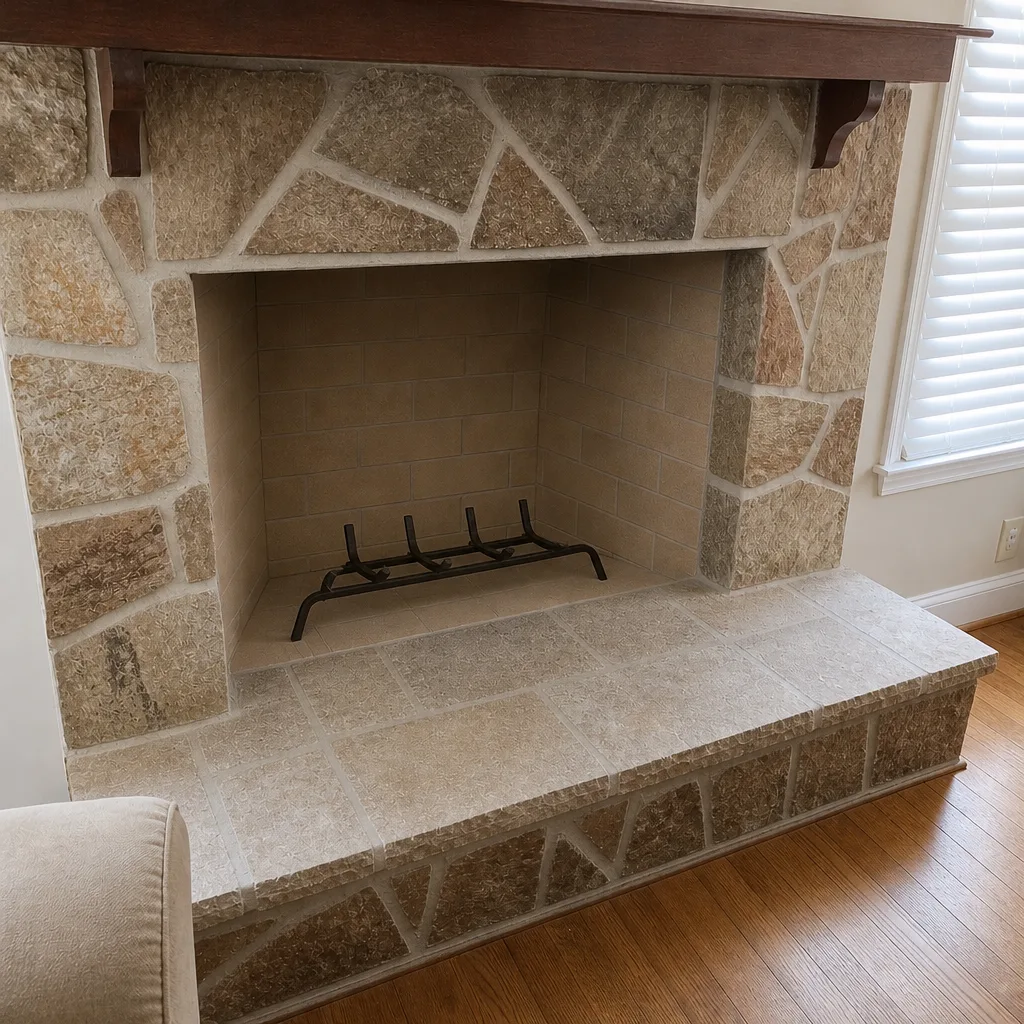
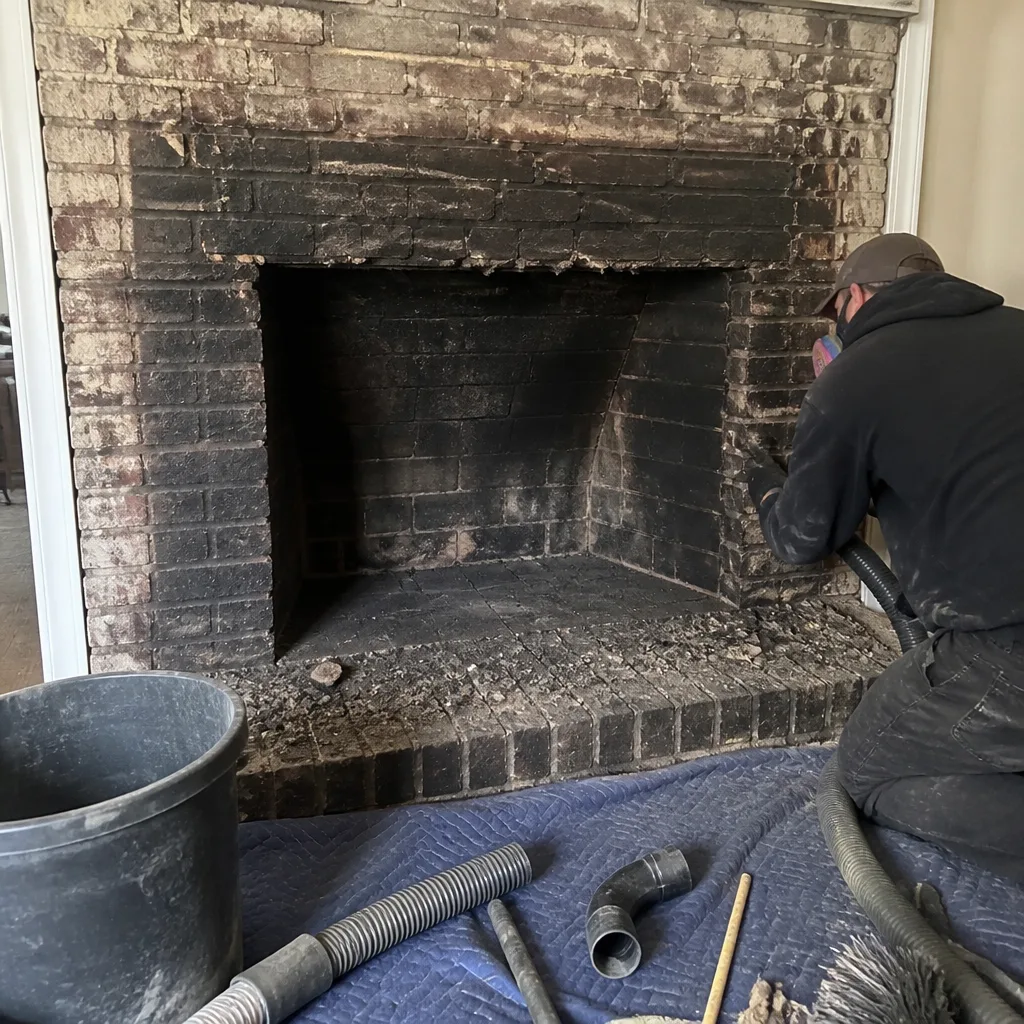
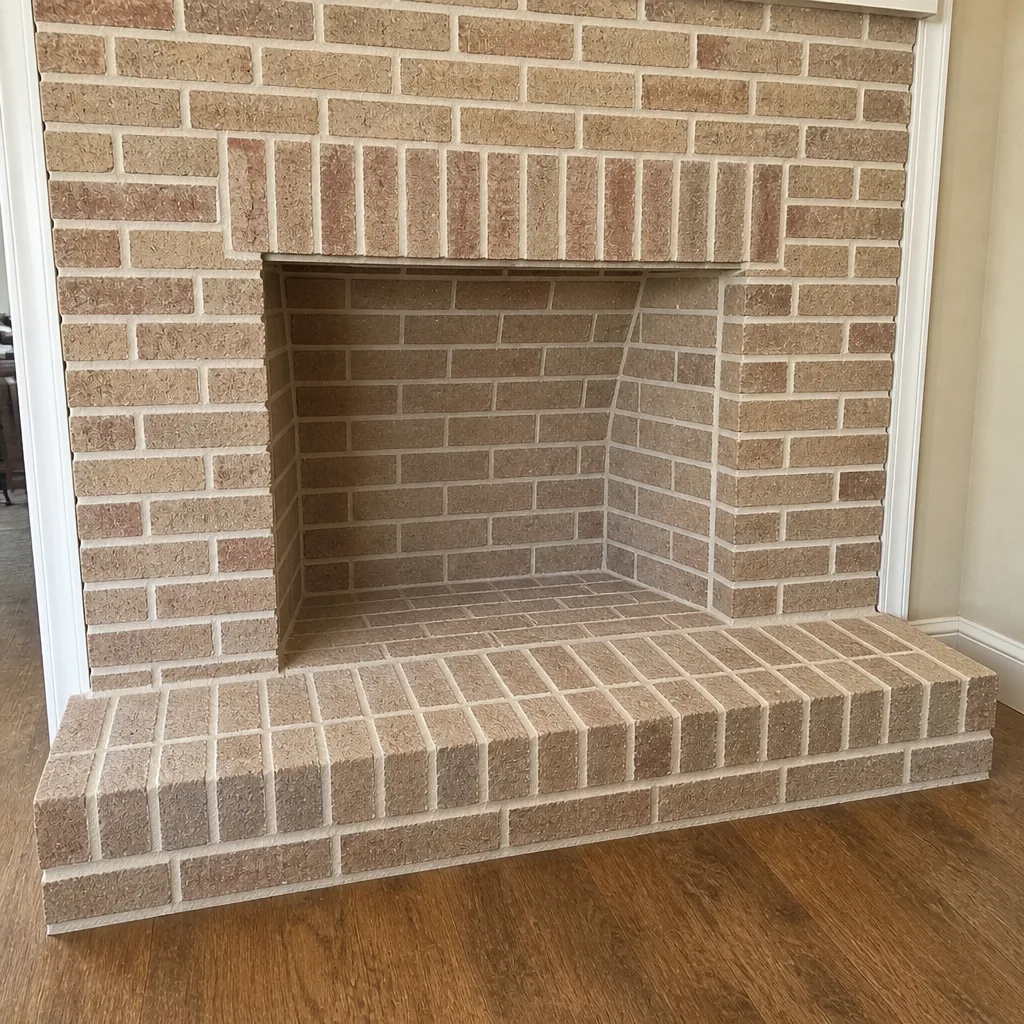
See the difference
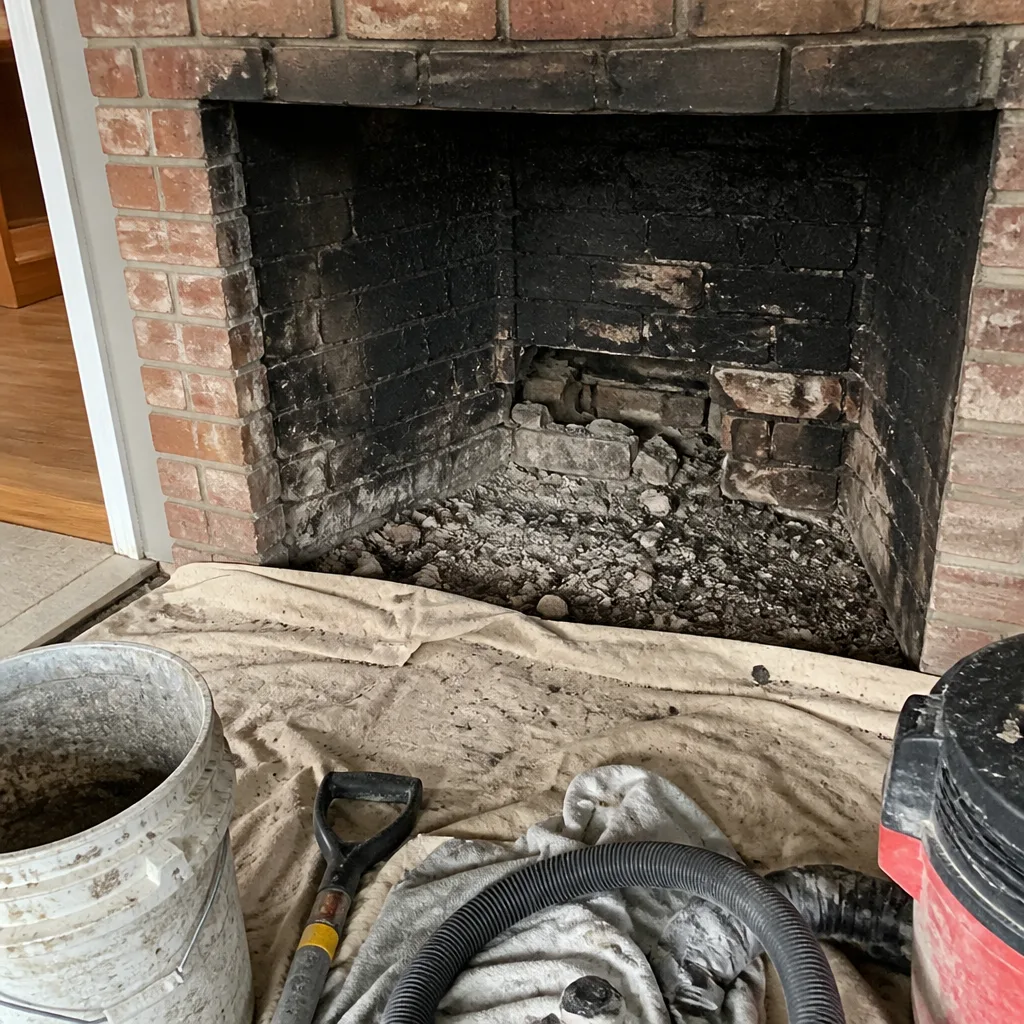 Before
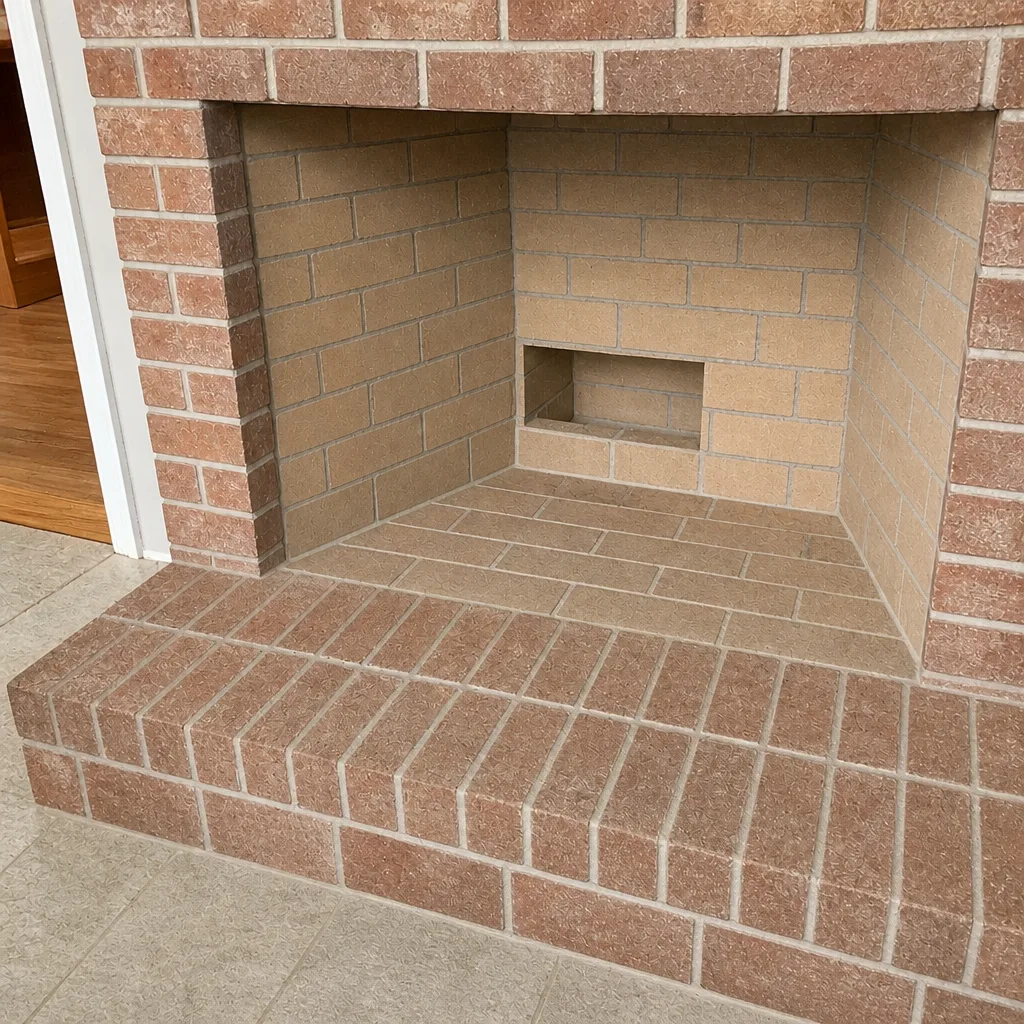 After
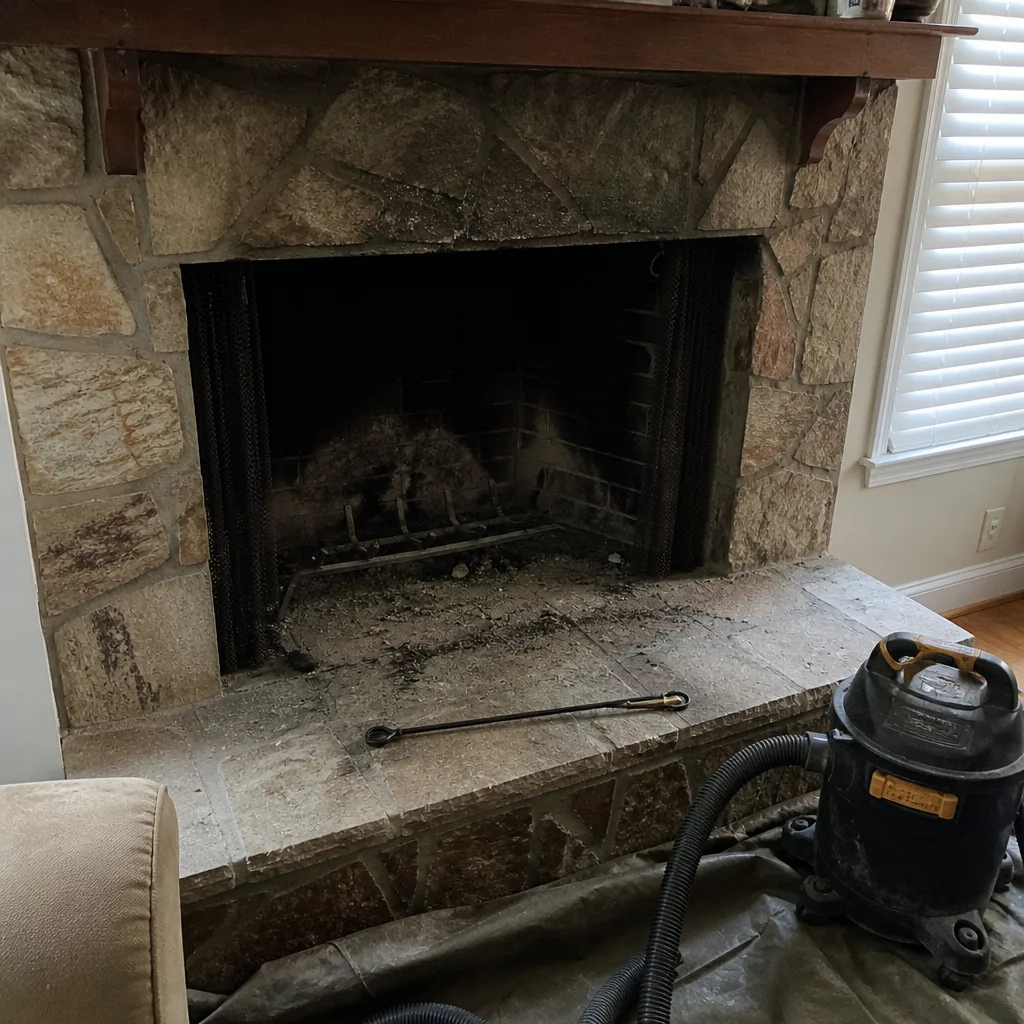 Before
 After
 Before
 After
When to Call a Professional
Call a professional if you spot any of the “stop” signs in this guide: glazed creosote, an asphalt smell, smoke rolling into the room, cracks in the smoke chamber, an animal nest you can’t reach, or a blocked flue. Call if you’re seeing the “schedule” signs too – white staining, rust on the damper, crumbling mortar, or soot falling into the firebox. And call if you haven’t had a professional sweep and inspection in a few seasons, especially if you burn wood regularly through Concord winters.
Not every warning sign has to be fixed right now. Camera inspection lets you see for yourself whether a recommendation is urgent or can safely wait. We don’t recommend work without evidence you can see.
Concord Chimney Cleaning offers free estimates in Concord – call (866) 665-4951. We answer 24/7. Fast dispatch from 7am to 7pm, Sunday through Friday. We handle the sweep, the inspection, and the repair with the same team, using professional-grade product lines including DuraFlex, HeatShield, Gelco, Olympia Chimney, Famco, and Copperfield – so a warning sign never ends in a lead with no solution.
Frequently Asked Questions
Once a year for a wood-burning fireplace used regularly, and more often if you burn a lot or notice any of the warning signs in this guide. If glazed creosote has ever developed in your flue, sweeping frequency should go up, not down. Concord’s humid summers make the “off” season worse for buildup than the burning months, so a pre-season sweep in fall catches more than a spring cleaning. Call (866) 665-4951 to schedule a sweep and inspection.
Partial cleaning is possible with a kit, but glazed creosote and flue liner damage need professional methods. The bigger issue is that a brush kit doesn’t inspect. It can clean what you can reach without telling you whether the liner is compromised or the smoke chamber is failing. A professional sweep pairs cleaning with a camera inspection so the cleaning has a point. Call (866) 665-4951 for a free estimate.
Glazed creosote looks like shiny black tar, often crusted against the flue walls, and it smells like asphalt or hot tar. It’s the third-degree grade, the most flammable form of creosote, and it’s stubborn to remove. Standard sweeping often skips over it, so it needs a different method. If you suspect you have it, stop using the fireplace and get it inspected. Call (866) 665-4951 – we can remove glazed creosote without the standard sweep approach.
An asphalt or tar smell from a chimney is a strong indicator of third-degree glazed creosote. It’s not a normal campfire smell – it’s the tar itself off-gassing into the room. That’s a warning that the flue needs cleaning with a method built for glazed creosote, not a routine sweep. Call (866) 665-4951 for an inspection.
Often it can be resurfaced. HeatShield ceramic resurfacing can restore a deteriorated flue liner without full replacement, and it’s designed for exactly the kind of crack-and-gap damage we find in older Concord chimneys. Whether your flue qualifies depends on how deep the damage goes, which is why a camera inspection comes first. We won’t recommend a replacement you don’t need. Call (866) 665-4951 for a free estimate.
Yes – warning signs show up much later than the buildup that causes them. A chimney can be loading creosote for two or three seasons before you smell it, see soot falling, or catch the glazed tar. Once a year is the schedule to hold to. If it’s been longer, book the sweep and find out what’s actually in there.
The Bottom Line
Chimney warning signs are readable. White staining on the brick is moisture, not cosmetics. Rust on the damper is condensation, not a minor annoyance. The asphalt smell is glazed creosote, not “chimney smell.” The smoke plume is a live read on how cleanly you’re burning and how well your flue draws. Use the urgency ratings here the way you’d use any good reference: monitor the small things, schedule service on the middle ones, and stop using the fireplace on the big ones. And if you’re going to get a sweep in Concord, get one with an inspection and repair capability behind it – so the warning signs don’t turn into warnings with no follow-through. One team, sweep to repair, using products we can name. That’s the value proposition: a chimney inspection that actually leads somewhere.
Call (866) 665-4951 for a free estimate. We answer 24/7. Fast dispatch from 7am to 7pm, Sunday through Friday, from Concord Chimney Cleaning. More on our Concord service area is available if you want to learn more before you call.
Written by the team at Concord Chimney Cleaning.