
Last updated November 15, 2026
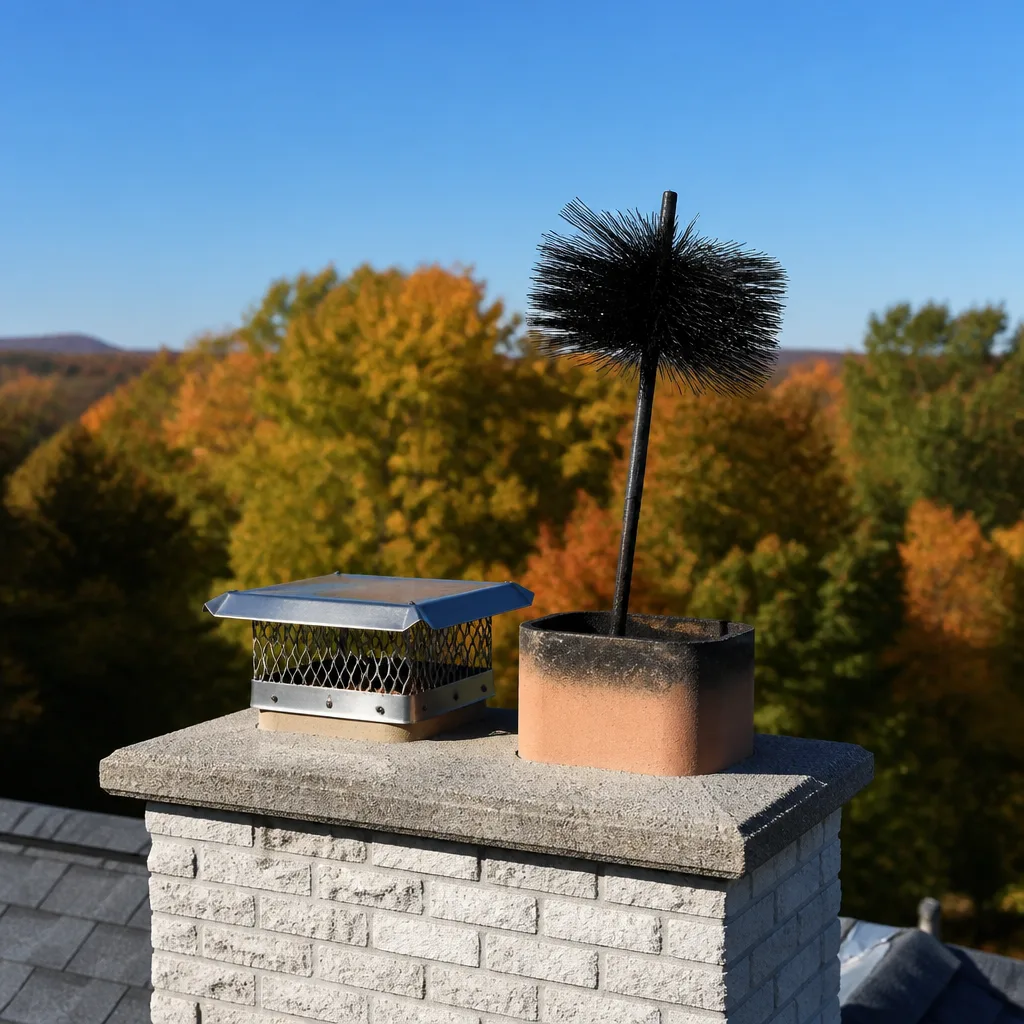 Sweep & inspection
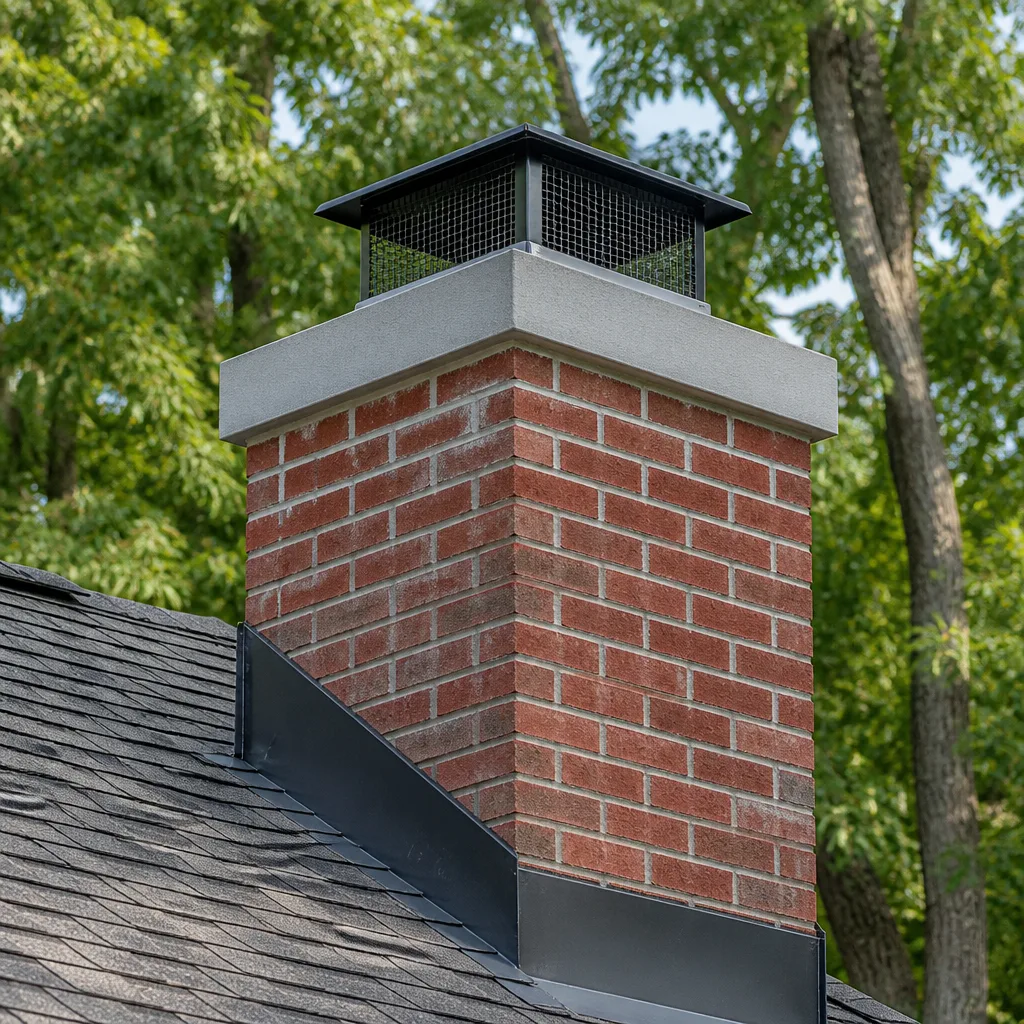 Caps & crowns
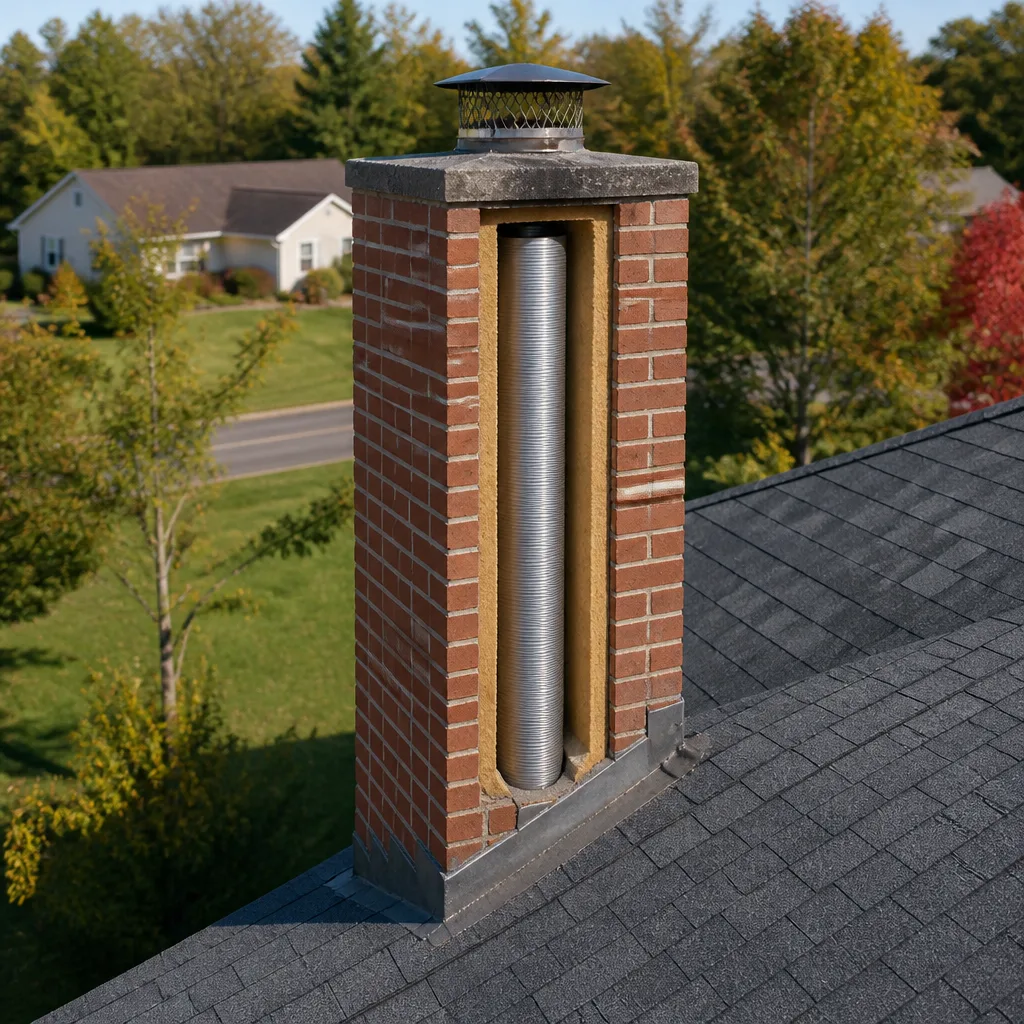 Flue relining
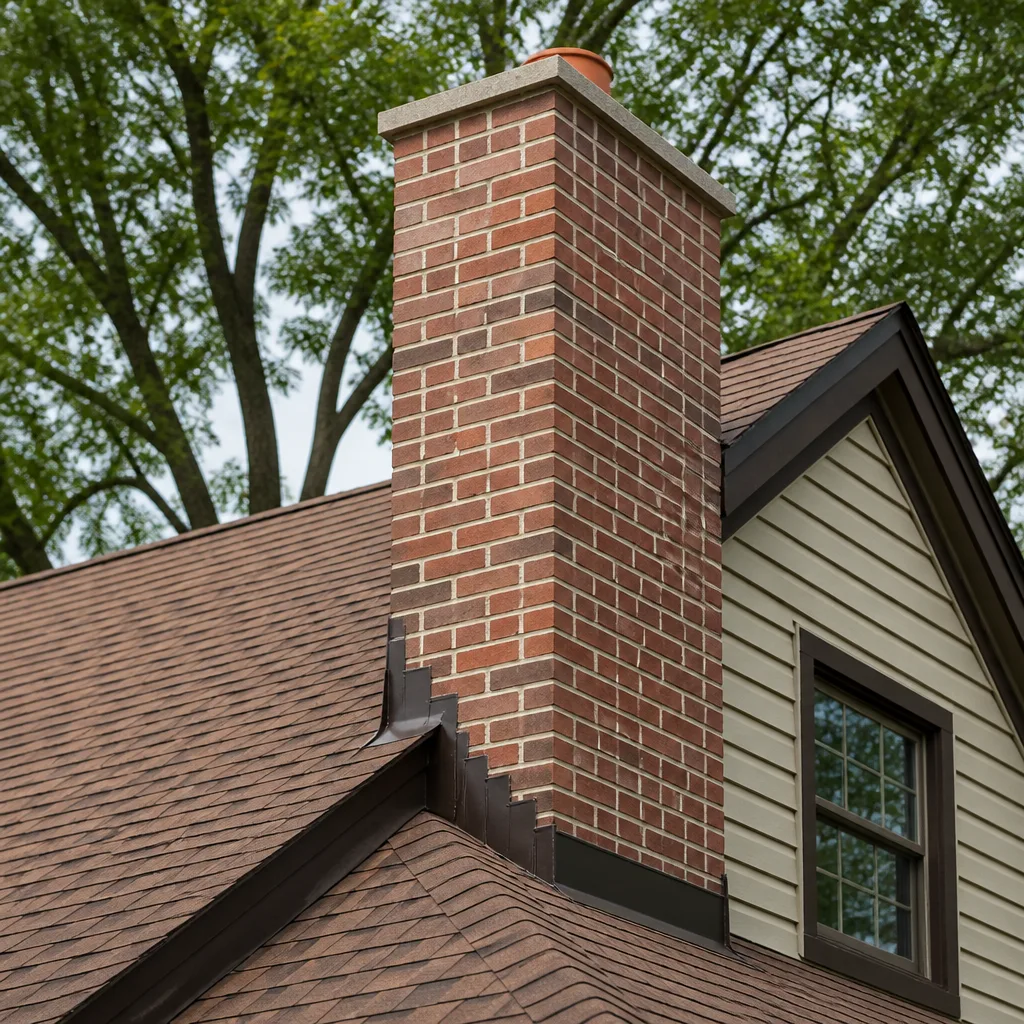 Masonry repair
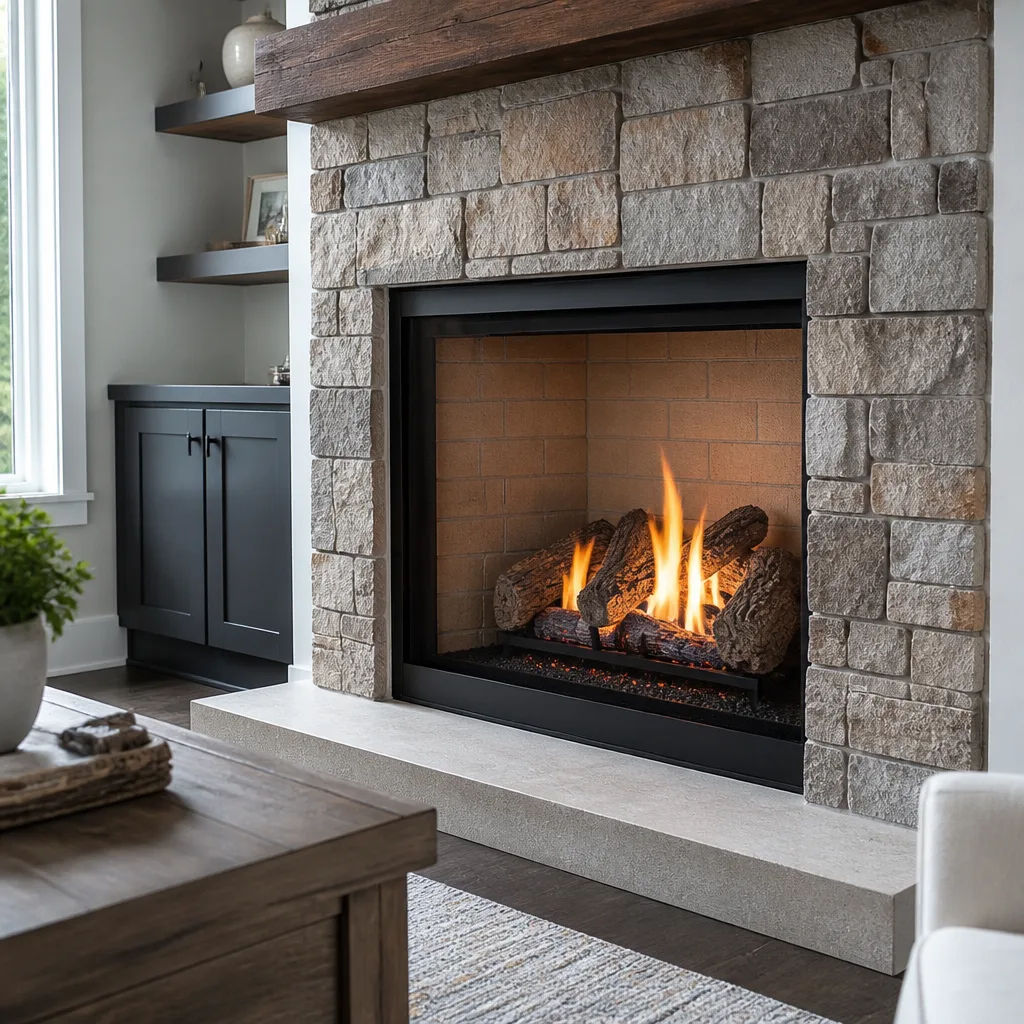 Gas fireplace service
Level 1 sweep and inspection to the NFPA 211 annual standard - flue, crown, cap, and flashing checked and photographed
Chimney sweep logs do not sweep chimneys. They loosen some creosote - which then falls where a brush and vacuum still have to collect it.
Chimney Sweep Maintenance Checklist for Concord Homeowners
Most homeowners treat a chimney like a light switch: it works until it doesn’t. But a chimney rarely fails without warning. It leaves clues, dozens of them, spread across the firebox, the flue, and the roofline, most of them visible to anyone who knows where to look. The gap between your annual sweep and a real problem is usually filled with small signals nobody taught you to read. This guide is a working checklist for Concord homeowners: month-by-month care, the specific things you can check from the firebox, what to watch on the exterior, and which findings mean call now versus note it for the next visit.
Let’s be clear about what this guide is and isn’t. It won’t turn you into a chimney technician, and it shouldn’t. It will make you a useful observer, someone who can describe what you’re seeing and know whether it’s urgent. That’s the difference between catching a cracked flue in autumn and finding out about it after a chimney fire. Concord Chimney Cleaning has built this checklist around how a chimney actually behaves in the North Carolina Piedmont: hot, humid summers, mild but variable winters, and a burning season that runs long into spring.
Quick Answer
A chimney maintenance checklist for Concord homeowners combines an annual professional sweep and inspection with seasonal visual checks you can do from the firebox and the ground. The homeowner portion is observation: smoke shelf debris, damper operation, liner cracks, flashing gaps, and mortar condition. The professional portion is cleaning, camera inspection, and repair. Book the sweep before burning season, usually late summer to early fall, and let the inspection tell you what actually needs attention.
Styles & brands we work with
- Sweep & inspection
- Caps & crowns
- Flue relining
- Masonry repair
- Gas fireplace service
Table of Contents
- Why Concord Chimneys Age Differently Than You’d Expect
- A Month-by-Month Concord Chimney Calendar
- What to Check from the Firebox: The Inside View
- Roofline Checks You Can Do Without a Ladder
- Homeowner Checks vs. Contractor-Only Items
- Immediate Calls vs. Notes for the Next Sweep
- What Actually Happens on Sweep Day
- Why the Materials in Your Chimney Matter
Why Concord Chimneys Age Differently Than You’d Expect
If you’ve read chimney advice written for New England, half of it won’t apply. Concord’s climate works differently on a chimney. The threat here isn’t a six-month deep freeze. It’s heat and moisture cycling through a long, humid warm season, then a burning season where the flue gets hot and cools repeatedly. That pattern stresses masonry and liner joints in its own way.
Our summers push humidity up against the brick and mortar, and any chimney already carrying a slight flash gap or a hairline crack will let moisture in. Moisture plus freezing nights, even a handful of them, spalls mortar and brick faces. Then there’s the burning season itself. Cool nights start in October, and plenty of Concord homeowners are running a fire through December and into March. Some burn into April. That’s a long stretch of creosote leaving the firebox and condensing in the flue.
What does that mean for a maintenance checklist? It means timing matters. A chimney that gets a March sweep is clean going into the wet season, but the heavy deposit pattern is different than a November cleaning. In our experience, the most useful routine is a pre-season sweep and inspection, plus a visual check after the last fire of the season. Two touch points a year. One is professional, one is you with a flashlight.
The housing stock matters too. Concord has everything from older in-town houses with original chimney stacks to newer builds with modern prefab systems. An older masonry chimney with a clay flue tile liner and a newer house with a factory-built metal system need different things checked. Knowing which one you have is the first useful observation you can make. Concord spans both, block by block.
A Month-by-Month Concord Chimney Calendar
A generic “clean your chimney once a year” line undersells the chore. Here’s how we’d schedule it around the real seasons in Concord, not a generic northern calendar.
- August – September: Book the sweep and inspection. This is the window. Cool nights start soon, and the inspection needs to happen before you light the first fire. If liner or cap work is needed, there’s still time before the burning season.
- October: First-fire check. Before you burn, crack a window, open the damper, and run a small test fire. Watch for smoke spilling into the room, weak draft, or a smell that’s stronger than a normal wood fire. Those are pre-season flags.
- November – December: Monthly visual checks. Every few weeks during heavy burning, look up from the firebox with a flashlight. Check the damper, look for any down-drafting debris on the smoke shelf, and note whether you hear any new sound during burning.
- January – February: Snow-line inspection from the ground. Walk the yard once in winter and look at the roofline. Anywhere snowmelt pattern on the chimney is dramatically different from the surrounding roof is worth noting and mentioning at the next visit.
- March – April: Check the cap and flashing from the ground. Spring storms and wind are the time to spot a loose cap, a lifted flashing edge, or missing fasteners.
- May: Exterior masonry check. Look for efflorescence, discolored mortar, or brick spalling after the wet season.
- June: Pre-summer interior look. Check the firebox for rust streaks, moisture smell, or staining that shows up during the humid stretch.
- July: Sweep and inspection scheduling. By mid-summer, the appointment calendars tighten. Book the pre-season visit now.
This isn’t a rigid schedule. It’s a rhythm. The point is that a chimney gets attention in two modes: once or twice a year from a professional, and once or twice a month from you during the burning season.
What to Check from the Firebox: The Inside View
You don’t need tools for most of what matters. You need a strong flashlight, a couple of minutes, and an understanding of what you’re seeing. Here’s what to look for from the firebox.
Smoke Shelf and Shelf Debris
The smoke shelf is the flat ledge just above the damper, at the bottom of the flue. It catches everything that comes off the flue walls and anything the cap fails to block, and it’s a common source of stubborn draft trouble. Look up, aim the flashlight, and see if there’s a visible pile of soot, creosote flakes, or foreign material. A little bit of ash is normal. A thick crust or debris that looks like it fell from above is worth reporting. Leaves and animal material landing on the smoke shelf is one of the first things we spot when a cap has gone missing. chimney sweep visits often start with this kind of find.
Damper Operation
Open and close the damper fully. It should move smoothly from closed to fully open with no scraping, no stuck position, and no frame damage. A damper that drags, sticks at one spot, or won’t seat cleanly closed is a note-for-the-next-sweep item in most cases. A damper stuck open with an active fire and smoke in the room is a call-now item.
Visible Liner Cracks
From the firebox, you can see the bottom section of the flue liner on most straight chimneys. Look for linear cracks in the clay tile, spalling at the joints, or a white chalky wash on the tile that wasn’t there before. Read the liner condition over the full length of the smoke chamber, not just the firebox throat. What you can see down low is only a sample. A camera inspection from the top is the only way to see the portions you can’t reach. We use camera inspection on every job so our customers see exactly what we see.
Firebox Mortar and Brick
Look at the mortar lines around the firebrick. Hairline cracks in the firebrick are common and often harmless. But mortar that’s crumbling out, or brick faces that are spalling off in chunks, needs to be noted. The firebox is the hottest part of the system, and deterioration here can move into the surrounding structure if left alone.
Draft and Smoke Test
Light a match or a small amount of paper and watch the smoke. It should travel straight up into the flue and disappear. Smoke that hangs, rolls back into the room, or wavers is a draft issue. Draft can be caused by a cold flue, a closed damper, an obstructed flue, a bad cap, or negative pressure in the home. It’s worth noting when you see it and telling your sweep technician at the next visit.
Roofline Checks You Can Do Without a Ladder
Most of what we find as early warning on the roof exterior is visible from the ground with a pair of binoculars. You don’t need to climb up there. In fact, you shouldn’t. Steep-pitch roof work around a chimney is a genuine fall hazard and belongs to trained professionals. These are the things to watch from the yard.
- Flashing gaps: The metal flashing where the chimney meets the roof slope is the most important water barrier on the whole stack. Look for lifted metal, missing fasteners, visible gaps, or a dark streak of moisture running down the roof beside the flashing line. Any of these is a call to report.
- Mortar color change: The joints should look uniform. A joint that’s turned a different shade, or that looks recessed compared to the others, is usually mortar that’s weathered away. A line of them across the chimney crown is a bigger flag.
- Efflorescence patterns: Efflorescence is the white, powdery salt stain that appears on masonry. A light dusting can appear on new masonry and move on. Staining that reappears season after season, or that’s concentrated around one joint or one line, is the visible signature of water that’s inside and coming back out. It’s one of the most useful early warnings a homeowner can note.
- Spalled brick faces: Brick that’s broken, flaking off in thin layers, or has a hollow shell appearance. This is freeze-thaw damage, and Concord’s occasional winter freezing nights can start it.
- Crown condition: The concrete or mortar crown at the top of the chimney should be intact, slightly sloped, and watertight. Cracks, crumbling, or a piece missing at the crown means water can enter the top of the chimney structure directly.
- Cap and screen: The cap should be intact, attached, and have a screen in good condition. A missing or damaged cap is one of the most common sources of the debris problems you might find in the smoke shelf.
- Chimney lean: Any visible tilt in the chimney from the ground is a stop-and-call finding. That’s structural, and it needs a professional evaluation.
Note these findings on your phone during a yard walk. Your sweep technician can work from your notes.
Homeowner Checks vs. Contractor-Only Items
The most common mistake we see is a homeowner trying to evaluate something that genuinely requires the right tools. Here’s the honest line between what’s yours to check and what isn’t.
Homeowner-Observable Items
- Damper operation
- Visible firebox mortar and firebrick condition
- Smoke shelf debris
- Visible liner crack in the reachable section
- Draft quality during a test fire
- Exterior mortar color changes, efflorescence, and spalling from the ground
- Cap and screen condition
- Flashing gaps and moisture streak patterns
- Crown cracks and missing pieces
- Snow melt patterns on and around the chimney in winter
Contractor-Only Items
- Full-length flue camera inspection (the sections you can’t see)
- Creosote deposit thickness and stage (level 1, 2, or 3)
- Liner integrity testing from the top
- Smoke chamber and throat geometry
- Structural integrity of the chimney stack above the roofline
- Crown condition close-up for repair-scope decisions
- Burn pattern analysis from a prior fire event
Why does the line matter? Because a homeowner can’t safely climb a chimney to test liner integrity or measure creosote thickness, and doing so on a steep or wet roof is a real ejection path. Our rule is simple: if it involves a ladder, a camera, or measuring anything you can’t reach from the ground floor, it’s a professional question.
This is also where the “one contractor” idea pays off. A sweep-and-go company will tell you a liner looks deteriorated, hand you a note, and move to the next house. chimney repair handled by the same team that did the sweep means the note turns into a plan. No tag between trades. Same scope document. Same accountable party from inspection through repair.
Immediate Calls vs. Notes for the Next Sweep
The right question isn’t just “is this a problem?”, it’s “is this a problem today?” Here’s how we’d sort the findings from your checklist.
Call Now
- Visible smoke spilling into the room when a fire is burning, with the damper open
- Any smell of smoke in the house during or after a fire, especially persistent
- Visible deterioration of the flue liner with an active fire planned before the next inspection
- Chimney lean, or visible movement in the stack
- Flashing separation with active moisture intrusion
- A fire event, even a small one: any instance of flames in the flue, a “roaring” sound, or a smell of burning creosote after hours of burning
- Visible rust or water staining on the firebox or firebox floor, especially if the chimney has been unused
- Any carbon monoxide alarm activation with a fire burning or a chimney appliance in use
Carbon monoxide deserves a specific note. A chimney that’s seen a liner crack or a blocked flue can become a pathway for gases to enter living space. A functioning CO alarm and a working liner are the two things that matter most. If yours activates, get everyone out, open the windows, and call the fire department before you call us.
Note for the Next Sweep
- Hairline firebrick cracks (normal in most fireboxes, worth watching)
- Minor damper drag that still fully opens and closes
- A light dusting of soot on the smoke shelf
- Efflorescence that’s been present for years without getting worse
- Chipped firebrick at the outer edges
- Ordinary weather to the crown
- Seasonal draft that clears up once a fire is warmed up
Nothing is recommended to a Concord customer without camera evidence they can see for themselves. If it can safely wait, we say so. If it can’t, we show what we’re seeing.
What Actually Happens on Sweep Day
A sweep isn’t a person with a brush and a ladder. Here’s the process we run through in a typical visit, which is worth knowing before you book one with anyone.
- Walkthrough and appliance check. Identify what’s connected: wood fireplace, gas fireplace, wood stove, or solid-fuel insert. The appliance type changes the sweep method and inspection scope.
- Floor and furniture protection. Drop cloths, a sealed vacuum setup, and proper containment so soot doesn’t end up anything other than inside the vacuum.
- Cleaning from the top and the bottom. We sweep the flue properly, along with the firebox and smoke chamber, using the type of brush the flue demands. Rotary methods for tougher deposits, hand-sweep where appropriate.
- Camera inspection. This is where the real value is. A camera down the flue shows the full-length condition: liner joints, cracks, offset configurations, and deposit patterns. We want you looking at the same screen we are. Photo report included.
- Exterior check. Cap, crown, flashing, and the visible portion of the chimney stack, worked through the same checklist you’re reading.
- Flat-price quote for any recommended work. Agreed before booking, itemized in writing. No surprise figures after the work begins.
If you’ve been told your chimney needs work before, the process is the same. Camera evidence, itemized quote, decision yours. Nothing more, nothing less.
Why the Materials in Your Chimney Matter
Not all chimney components are equal, and not all liner repair options are as extensive as they sound. We work with a short list of professional-grade product lines because the parts inside your chimney outlast the work that put them there.
DuraFlex flexible liner systems let us reline a flue with angled or offset construction that rigid liners can’t accommodate. Plenty of older Concord homes have an offset flue, and a rigid-only approach turns those homeowners away or requires rebuilding around the problem. DuraFlex keeps the repair inside the chimney.
HeatShield is a ceramic resurfacing system that can restore a deteriorated flue liner without a full replacement in the right conditions. It’s one of the most useful options we work with because it lets homeowners avoid a full liner job when the liner damage is at the level HeatShield can address. HeatShield certification-level capability is what we bring to that decision.
Gelco and Olympia Chimney caps and covers are what we install when a damaged or missing cap needs replacement. A cap is a small part with a big job: keeping water, animals, and debris out of the flue. The brand under it is part of whether it lasts.
The reason brand names matter to you isn’t marketing. It’s traceability. When we note “DuraFlex liner” or “HeatShield resurfacing” on your quote, you know exactly what’s going into your chimney. Not a mystery product from an unnamed supplier.
Common Mistakes to Avoid
- Skipping the inspection because the sweep looked fine. A clean flue and a sound flue are different questions. The camera is what answers the second one, and it’s the reason a sweep is worth doing annually rather than every few years.
- Treating a summer “check” as enough. Concord’s humidity is the slow threat. Two cool-season firebrick checks plus a single pre-season inspection catch almost everything an annual-only rhythm catches, plus what the wet season does.
- Not acting on efflorescence. White staining that reappears is water returning. It’s a symptom, not a cosmetic nuisance. Noting it now is cheaper than treating it when it becomes spalling brick.
- Burning unseasoned wood as the season starts. Green or damp wood loads the flue with more creosote in the first weeks of burning. Dry wood under a leaner load is one of the easiest wins for a longer interval between sweeps.
- Ignoring the cap. A missing or bent cap is a fast path to leaves, animal debris, and rain in the smoke shelf. If it flapped in last spring’s storms, get it replaced before the burning season.
- Assuming a low-cost sweep’s “inspection” is a camera inspection. A visual check at the firebox isn’t the same evidence. Ask specifically whether the quote includes a camera inspection and a photo report.
- Calling a general handyman for masonry or liner problems. A chimney isn’t general masonry. A liner repair, a flashing repair on a chimney stack, or a crown rebuild belongs to a chimney specialist who knows the trade specifically.
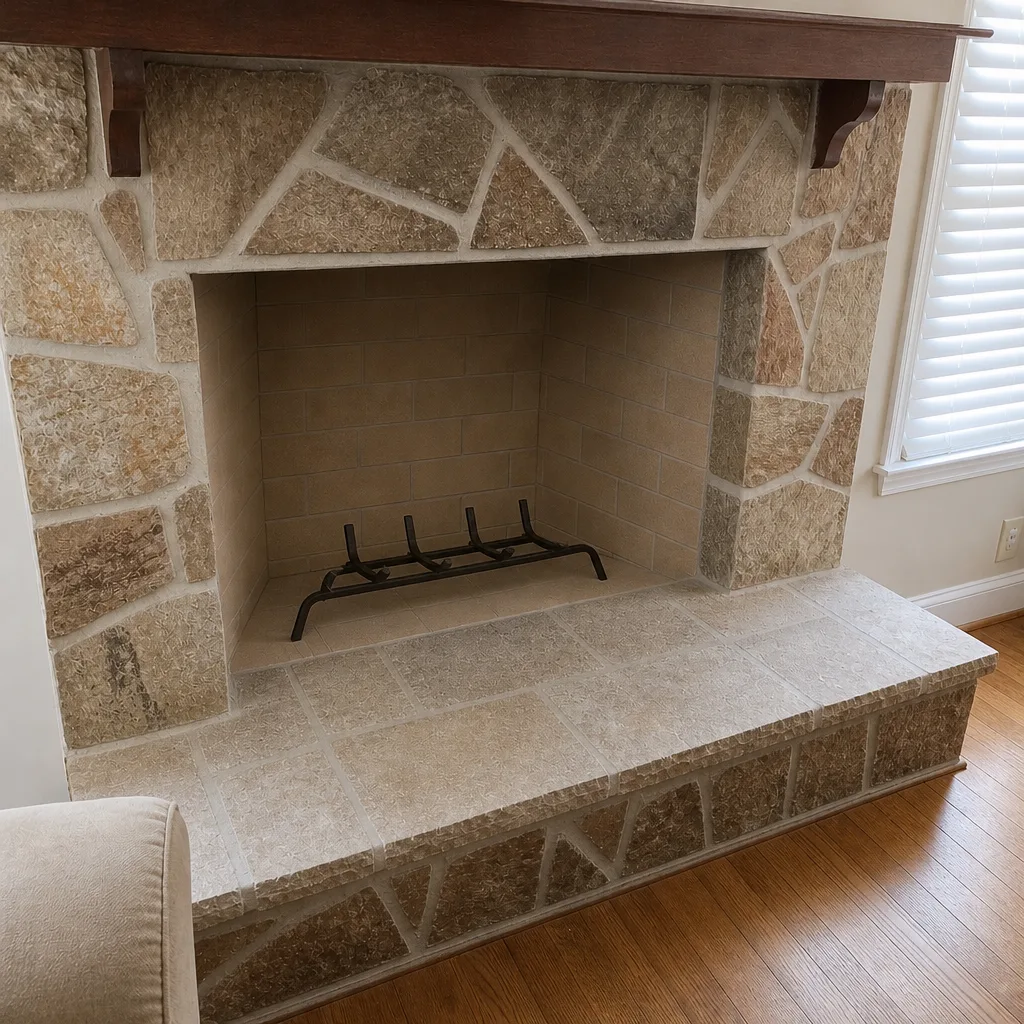
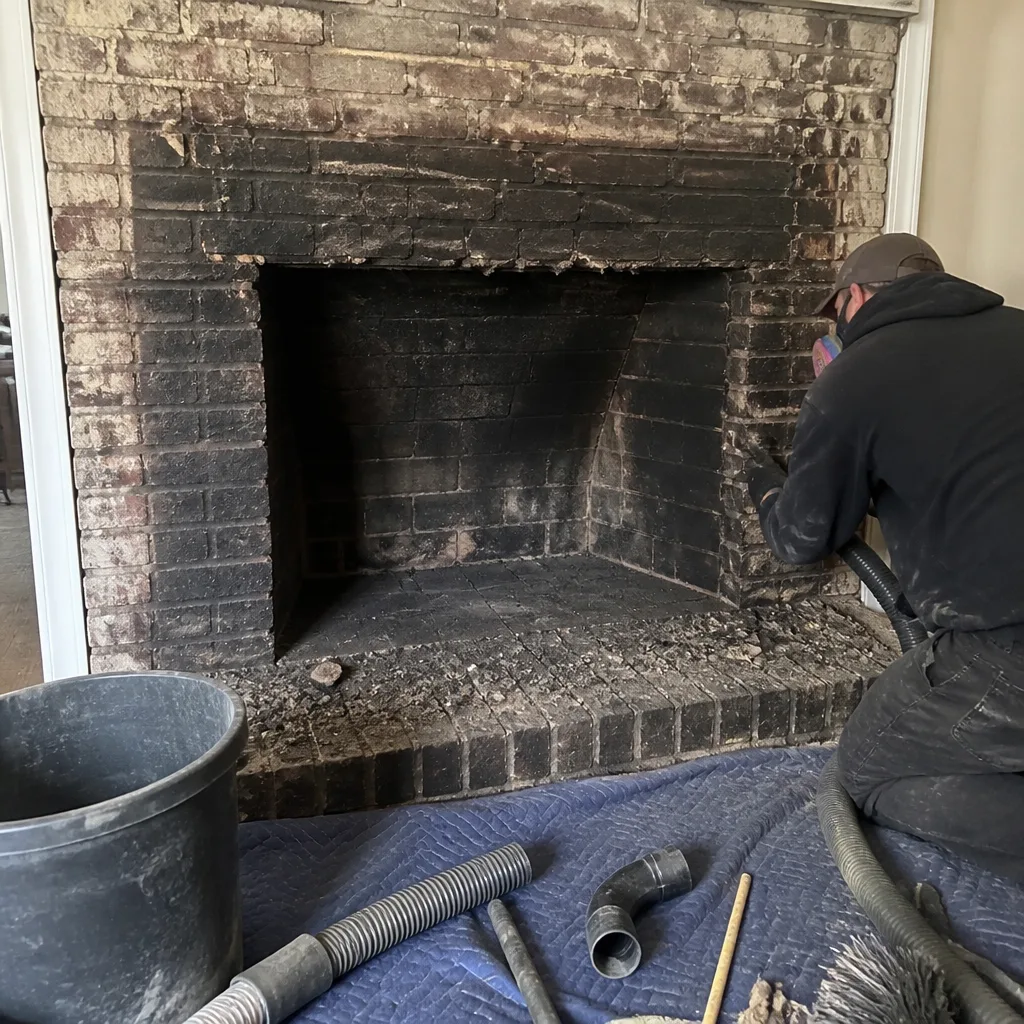
See the difference
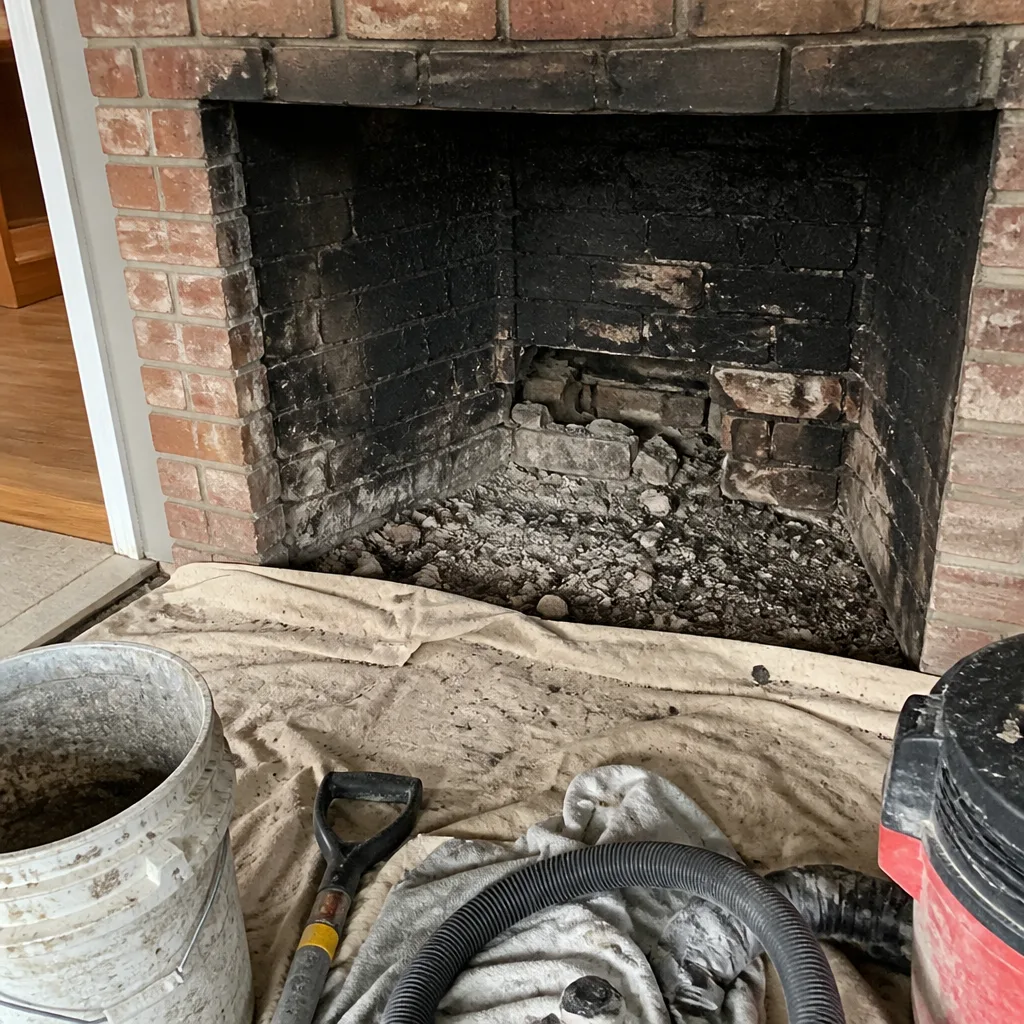 Before
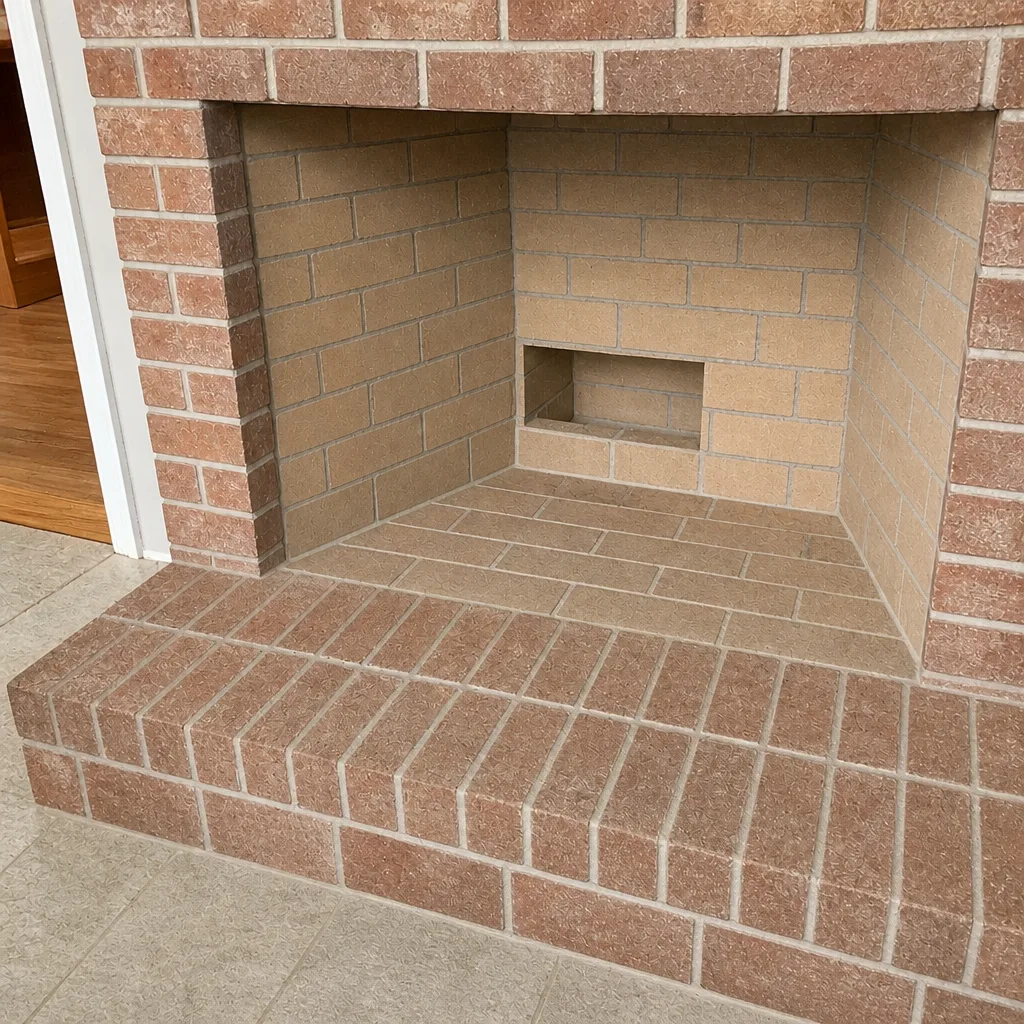 After
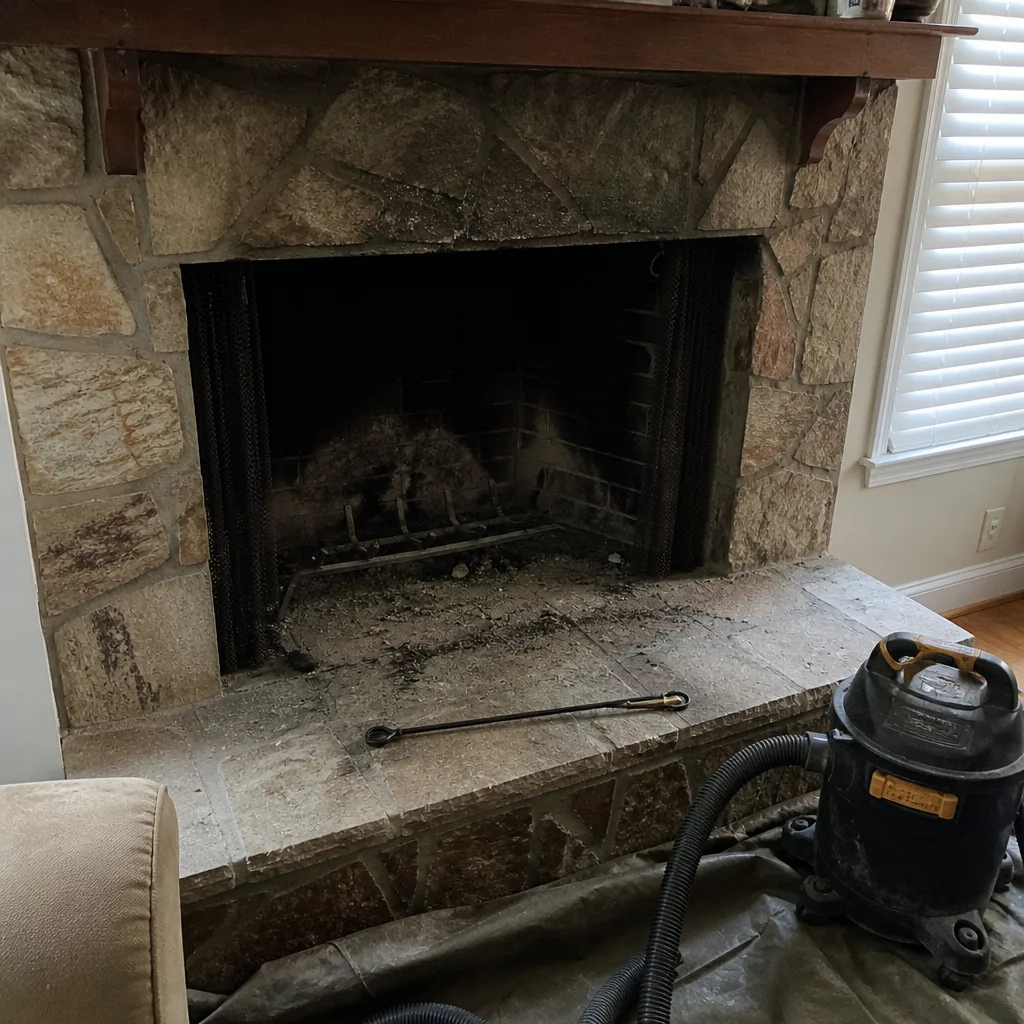 Before
 After
 Before
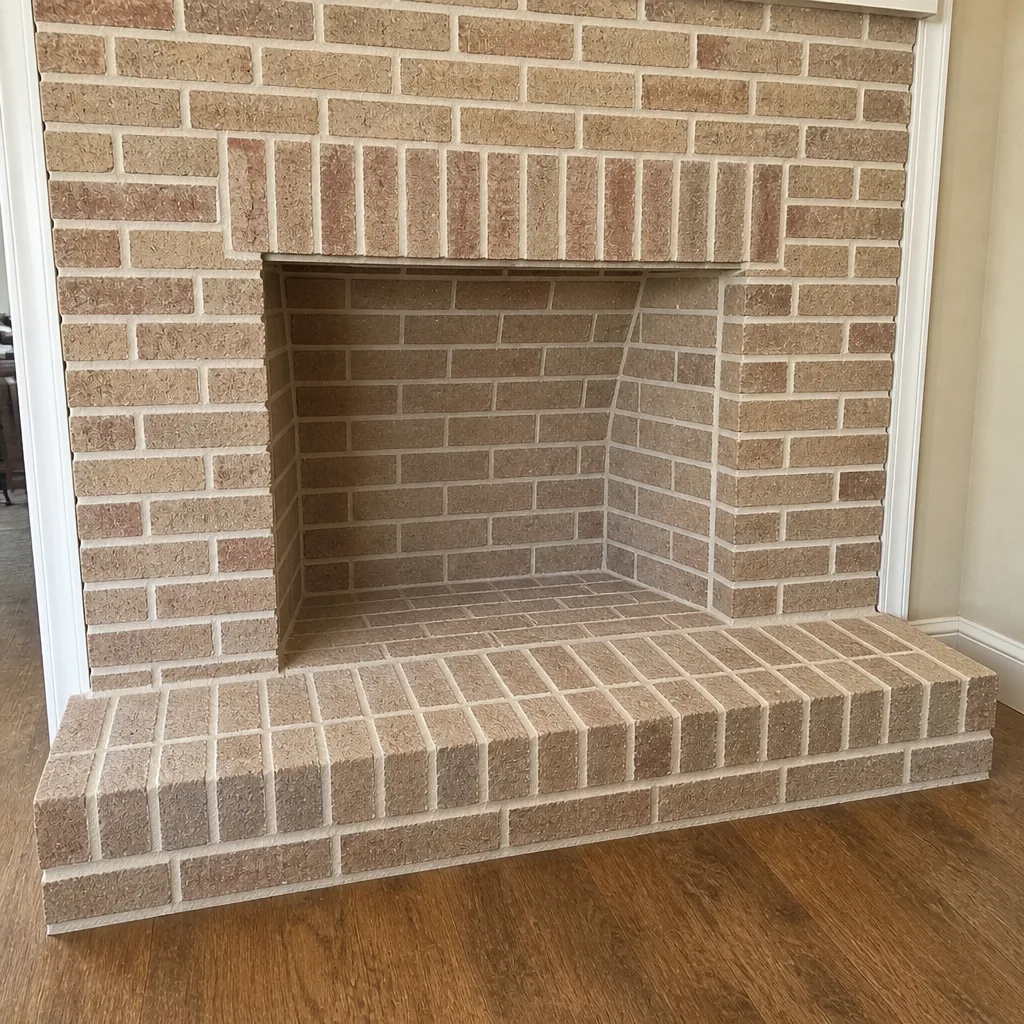 After
When to Call a Professional
You need a professional when the checklist turns up something you can’t verify from the ground. That means smoke spilling into the room, a persistent smoke smell, any fire event in the flue, a visible liner crack in the reachable section, flashing separation, chimney lean, or a CO alarm. It also means any suspicion of water intrusion: repeated efflorescence, rusty staining, or damp smell inside the firebox. And it always means the pre-season sweep and inspection before your first fire of the year.
Concord Chimney Cleaning offers free estimates in Concord. Call (866) 665-4951. We answer 24/7. Fast dispatch from 7am to 7pm, Sunday through Friday. Our technicians have up to 10 years of experience, and every recommendation comes with camera evidence and a flat-price written quote you can see before booking.
Frequently Asked Questions
It depends on the appliance, the flue configuration, and the deposit level, so an exact figure needs to come from a written estimate for your chimney. What we can tell you is that the estimate is free, the price is agreed per job in writing before any work starts, and it covers the sweep plus camera inspection and photo report. Call (866) 665-4951 for an exact quote – estimates are free.
Not always, and nobody should tell you otherwise without camera evidence. A full liner replacement is one option. HeatShield resurfacing can restore a liner that’s deteriorated at the level it’s designed for, without a full replacement. DuraFlex flexible liners handle offset or angled configurations when replacement is the right call. The decision is yours, made from the camera picture, not from a homeowner guessing from the firebox.
Once a year, at minimum, for a wood-burning chimney. If you burn frequently, or burn through the shoulder months into April, twice a year can be the more accurate interval. The camera inspection on each visit tells you which schedule your chimney actually needs.
Creosote builds. That’s the shortest honest answer. It’s the fuel for a chimney fire, and it’s what the annual sweep removes. The next thing that happens is a liner starts collecting creosote deposits that get harder to remove, and joint stress from heat cycling gets worse without an inspection catching it. The inspection is what finds that early, when it’s small.
Yes. A gas fireplace has its own maintenance profile: vent condition, cap condition, and the same water-intrusion risks as a wood-burning chimney. The sweep and camera inspection look for different things on a gas setup, but the schedule is the same.
Use a strong flashlight and look up from the firebox with the fire cold. Check the smoke shelf for debris, open and close the damper fully, and check the firebrick mortar and visible liner. If anything looks off, note it and mention it at the next scheduled visit. If smoke enters the room when a fire is burning, stop and call now. Call (866) 665-4951 for an exact quote – estimates are free.
The Bottom Line
A maintenance checklist turns you from a passive owner into a useful observer. The annual sweep and camera inspection does the work you can’t do safely. The monthly checks and yard walks catch the small things between visits that add up to expensive repairs if nobody’s looking. In Concord, the useful additions are seasonal: a pre-season sweep in late summer, a monthly firebox check during the burning season, and an exterior walk through the wet months. Book the sweep, keep the flashlight nearby, and let the evidence decide what needs repair.
If your checklist turned up anything on the call-now list, don’t wait for the next season. Call (866) 665-4951 for a free estimate. We answer 24/7. Fast dispatch from 7am to 7pm, Sunday through Friday. One company handles the sweep, spots the problem, and makes the repair.
Written by the team at Concord Chimney Cleaning.