
Last updated November 15, 2026
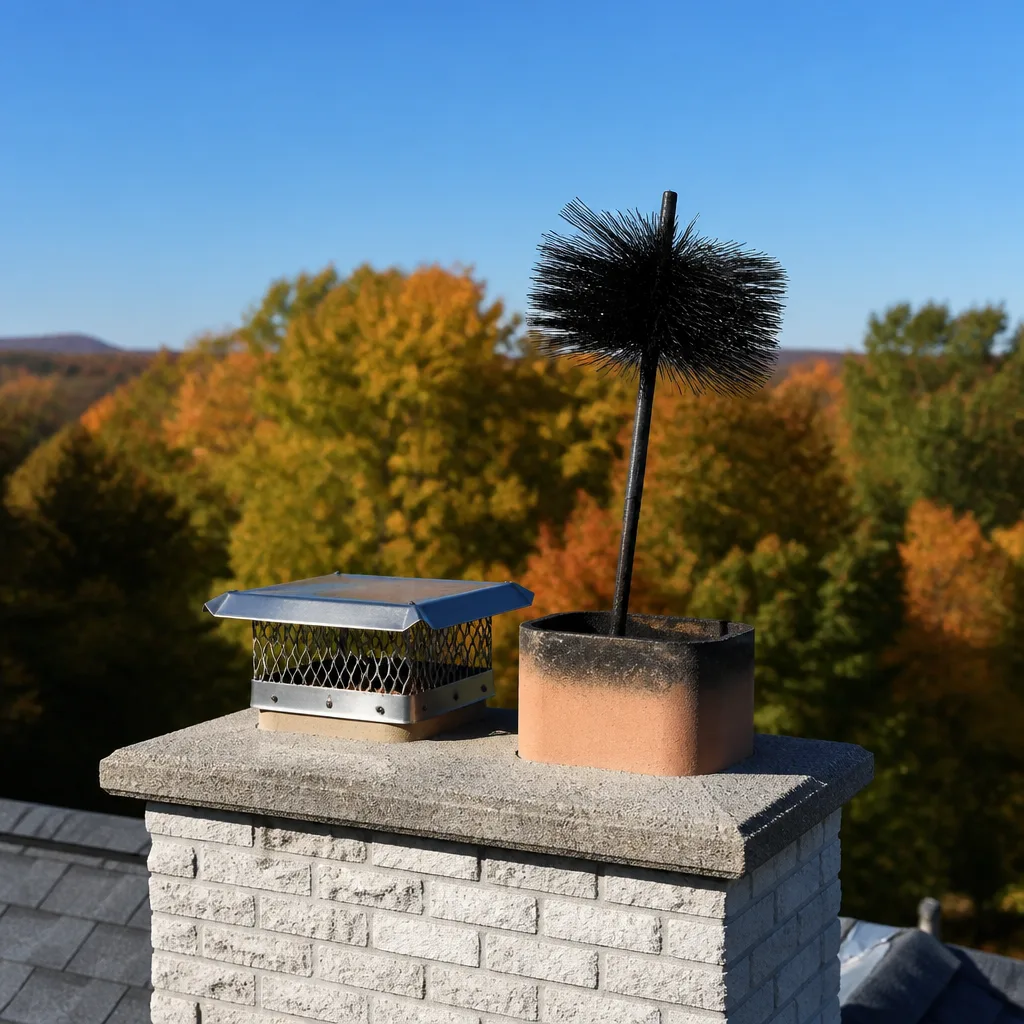 Sweep & inspection
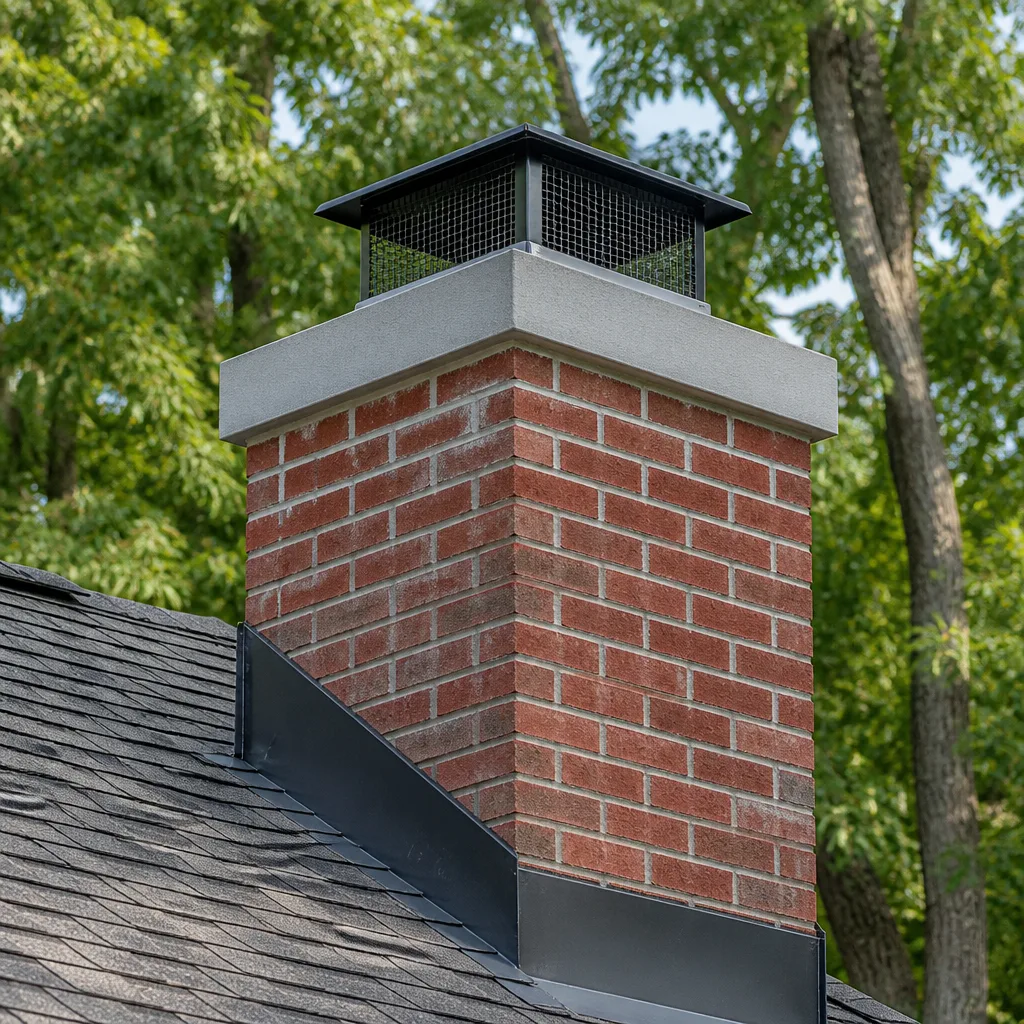 Caps & crowns
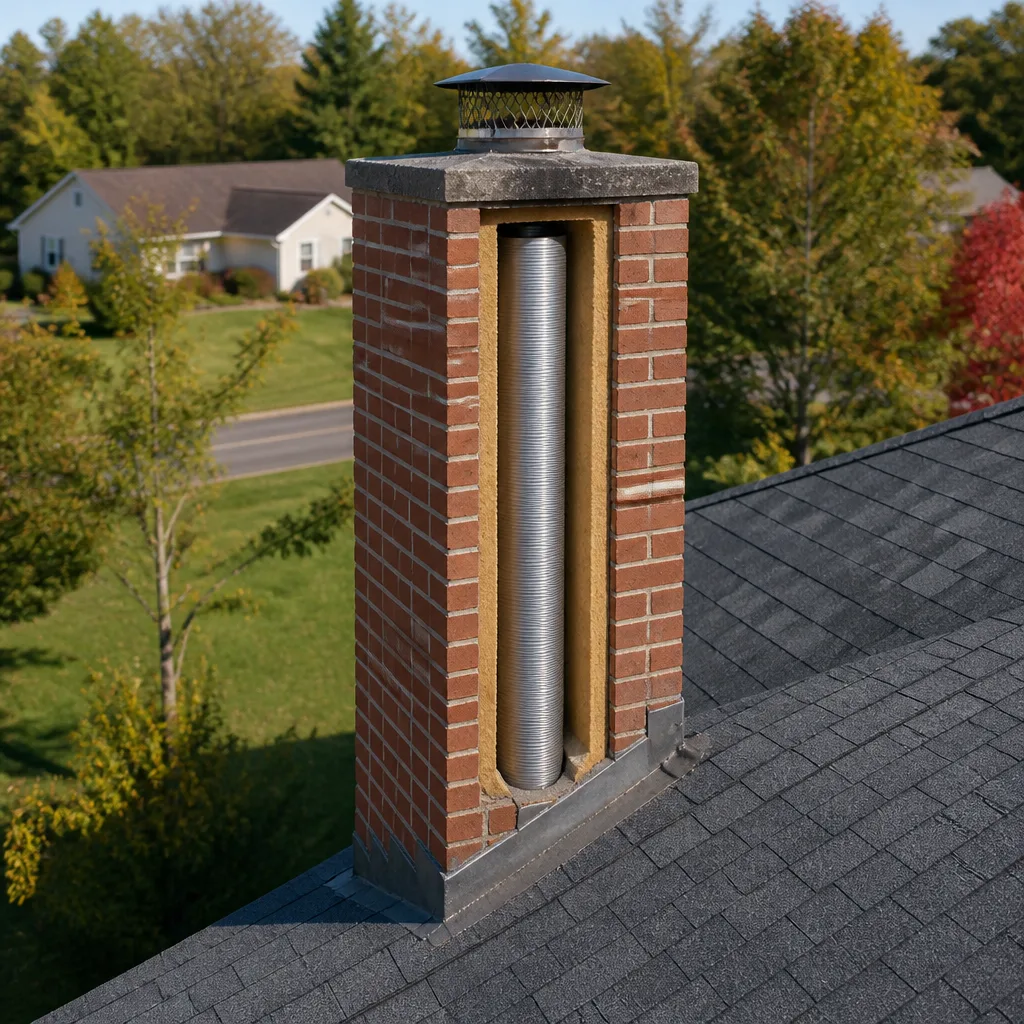 Flue relining
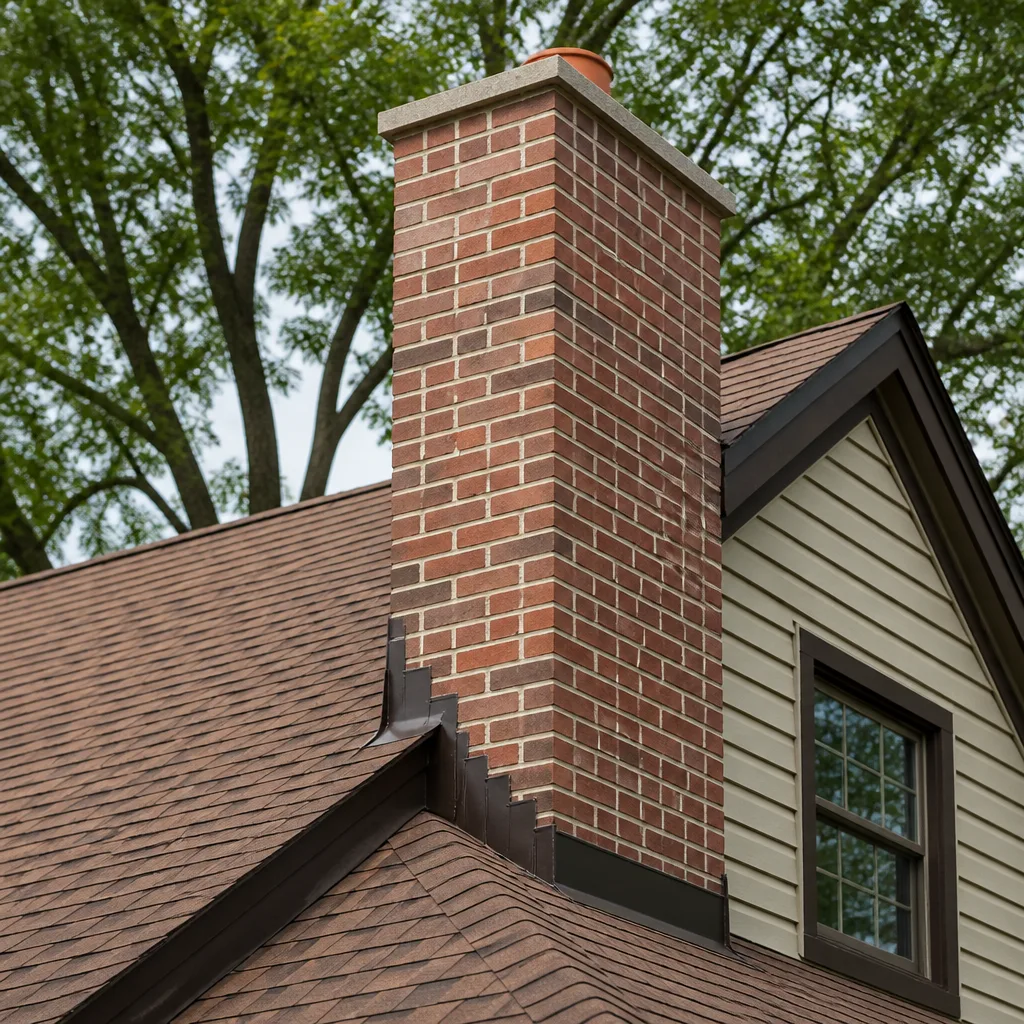 Masonry repair
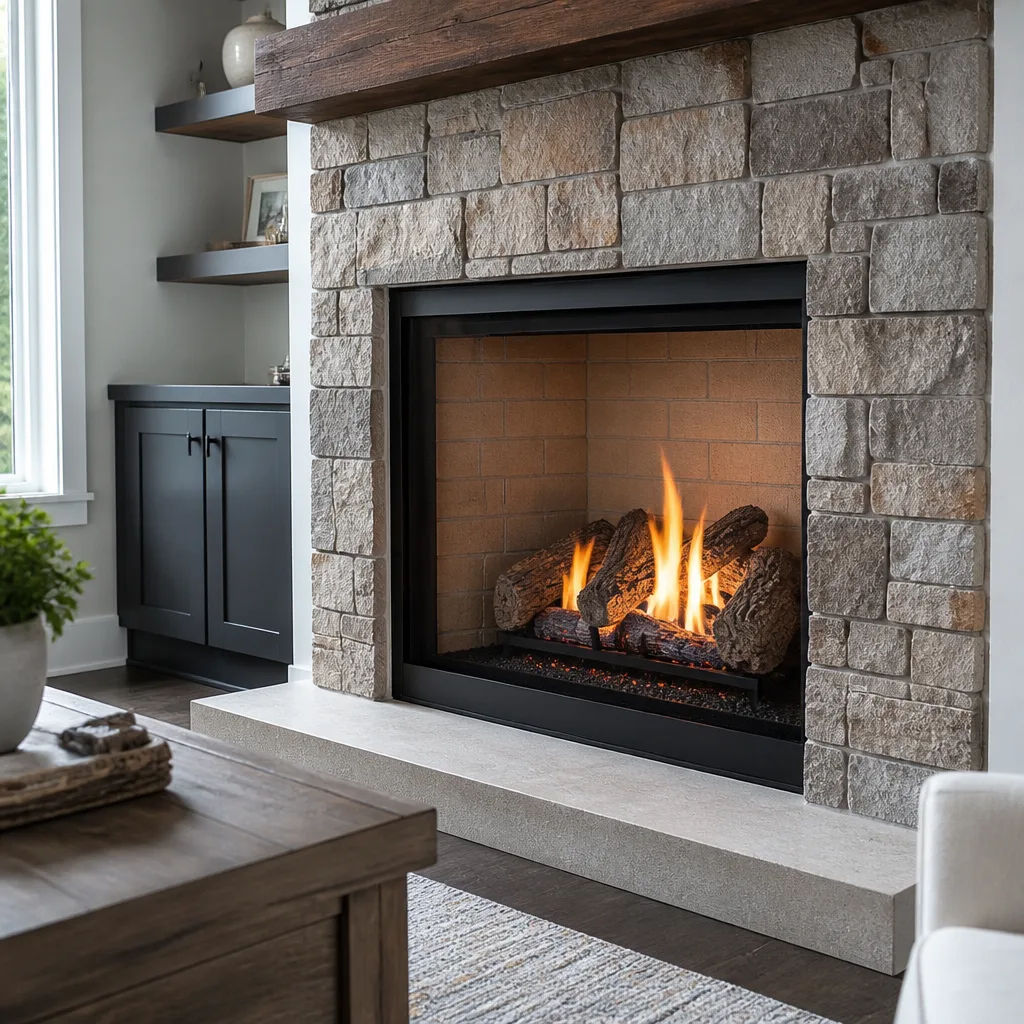 Gas fireplace service
Level 1 sweep and inspection to the NFPA 211 annual standard - flue, crown, cap, and flashing checked and photographed
Chimney sweep logs do not sweep chimneys. They loosen some creosote - which then falls where a brush and vacuum still have to collect it.
Seasonal Chimney Cleaning Care for Concord: Year-Round Homeowner’s Guide
Most homeowners in Concord think about the chimney twice: once when they strike the first match in November, and once when they hear a strange sound in January. The months that actually matter are the ones in between. Summer is the season that quietly wrecks Concord chimneys – humidity, nesting animals, and creosote sitting undisturbed in a flue do more slow damage than a winter of steady fires. By the time you notice a draft or a stain, the problem has usually been working for months. This guide maps the real damage timeline across Concord’s four seasons: what to inspect, when to book a sweep, why late summer beats October for scheduling, and how Cabarrus County’s freeze-thaw cycle affects mortar in ways that flat “get swept every year” advice never explains.
Quick Answer
Chimney care in Concord follows a seasonal pattern: winter burns, spring invites nesting animals, summer heat and humidity attack creosote and mortar, and fall is the critical pre-season check before the first fire. The single best move a Concord homeowner can make is to book a chimney sweep and inspection in late summer – typically August or early September – before fall demand fills every calendar. A yearly sweep plus an inspection that leads somewhere if something is found covers the basics; a professional-grade liner or crown repair handles what the seasons already did.
Styles & brands we work with
- Sweep & inspection
- Caps & crowns
- Flue relining
- Masonry repair
- Gas fireplace service
Table of Contents
- Spring in Concord: Nesting Season and What It Leaves Behind
- Summer: The Hidden Season That Does the Most Chimney Damage
- Why Late Summer Is the Best Time to Book a Chimney Sweep in Concord
- Fall Pre-Season Prep: Wood-Burning vs. Gas Systems
- Winter Ice, Freeze-Thaw, and Mortar Damage in Cabarrus County
- What Happens to an Unswept Chimney Through a Concord Summer
- A Year-Round Chimney Care Calendar for Concord Homeowners
Spring in Concord: Nesting Season and What It Leaves Behind
Spring in Concord is warm, green, and busy – and the chimney is one of the last things on anyone’s list. But the fireplace flue is a sheltered, dry, elevated space with a built-in entry point, and to birds and small mammals it looks like prime real estate. Chimney swifts, starlings, and squirrels all take advantage of an uncapped or loosely capped flue in spring, often before a homeowner has even thought about the switch back to air conditioning.
What most people picture is a nest in the firebox. What actually happens is a nest at the top of the flue or on the smoke shelf, sitting on top of last year’s soot and creosote. That’s where the trouble compounds. A nest restricts airflow, which affects how the chimney drafts next fall. The material itself is combustible, and it sits in the same channel where combustion gases will travel again in a few months. Droppings and feathers pull moisture to the flue walls and stay there.
Spring is also when a chimney cap earns its keep. A well-fitted cap keeps animals out and direct rain off the crown. If a cap is missing or damaged, spring is a good season to address it. We work with name-brand cap and cover options such as Olympia Chimney and Gelco, so the cap going on isn’t a generic fit-all piece.
What to look for in spring
- Scratching, chirping, or rustling coming from the chimney, especially mornings and evenings
- Nesting material visible at the top of the flue when you look from outside, if you can safely see that far
- Animal droppings around the fireplace or in the firebox
- A cap that’s missing, bent, or loosely attached
- A smell sootier or mustier than usual around the hearth
Spring is also a good time to note what you didn’t do last year. If you burned through winter and never had a sweep, the creosote is now sitting through warm months instead of cold ones. That’s a bigger deal than it sounds, and it’s the subject of the next two sections.
Summer: The Hidden Season That Does the Most Chimney Damage
Concord summers are hot and humid. The attic and roof get the brunt of it, but the chimney gets its share too. Three things happen when an unswept chimney sits through a Concord summer:
- Moisture gets in and does not leave. Humid air entering the flue condenses on cool masonry, particularly in cool overnight hours and in shaded sections of the chimney. Masonry is porous. Once water works into brick, mortar, or clay flue tile, it moves slowly and evaporates slowly.
- Creosote reacts with that moisture. Creosote isn’t inert once it cools. Depending on how it formed – soft and flaky, or hard and glazed – it can be acidic when wet. Sitting on a damp flue surface for three months, that reaction slowly attacks the flue lining and the mortar joints holding tile sections together.
- Freeze-thaw waits until winter to finish the job. Summer moisture can leave masonry saturated going into the colder months, which is when actual freeze-thaw damage ramps up. The chemistry started in July; the cracking appears in January.
This is the pattern most year-round guides skip. They talk about creosote as a fire hazard and stop there. Fire risk is real and worth taking seriously, but the slow damage to the liner – which is what actually determines whether you need a costly repair or a simple sweep – happens in the months nobody’s thinking about the chimney. That’s summer in Concord.
If you’ve ever looked at a chimney from the street in August and thought “it looks fine,” that’s the point. Summer damage doesn’t announce itself. It sits inside the flue and waits.
Why Late Summer Is the Best Time to Book a Chimney Sweep in Concord
Every fall, Concord homeowners call in a rush between the first cold snap and Thanksgiving, and the calendar fills. It’s not a Concord problem specifically – it’s how the trade works everywhere. But Concord’s first cold fronts usually arrive in late October, and once they do, the backlog forms fast. A chimney sweep booked in November may not get a slot until December. A repair found on that sweep might not be completed until January.
Late summer scheduling solves that. Between roughly mid-August and mid-September, three things are true that aren’t true later:
- Appointments are easier to get because most of the seasonal demand hasn’t hit yet
- Repairs found during the sweep can still be completed before burning season, not pushed into a cold snap
- Masonry work – crown repair, mortar repointing, cap replacement – can be done in milder weather, which matters for how well those materials cure
If the sweep turns up a damaged or deteriorated flue liner, late summer is also the point where a homeowner has real options instead of emergency ones. When we find a liner issue, we work with a specific set of professional-grade products – DuraFlex flexible liner systems for complex or offset flue configurations, and HeatShield ceramic resurfacing for restored liner integrity without full replacement. Both are easier to plan around when they’re not being scheduled against a December deadline.
What to expect on a late summer appointment
- Sweep. The flue gets cleaned of soot, creosote, and any nesting material. The firebox and smoke chamber are cleaned as part of the job.
- Inspection. The flue is examined for cracks, gaps, tile separation, glaze, and any sign of moisture damage. The crown, cap, and masonry joints are checked from the outside.
- Findings. Any issue is explained in plain terms, with the option to act now or schedule the repair before the first cold front.
That sequence – sweep, inspection, then repair capability on the same call – is why we run all three as one company. A sweep company that can’t repair what it finds leaves homeowners with a checklist and a second search. Our chimney sweep and chimney repair work together under one roof, which changes what “one appointment” actually delivers.
Fall Pre-Season Prep: Wood-Burning vs. Gas Systems
Fall is when homeowners in Concord start thinking about the fireplace again, and it’s the right season for the last check before burning. But wood-burning and gas fireplaces have different pre-season priorities, and treating them the same is one of the most common oversights in chimney care.
For wood-burning systems
- Verify the sweep is current. If the last sweep was more than a year ago, creosote has had a full summer to sit. It matters more than if the sweep was recent.
- Check the damper and draft. Open and close the damper before your first fire. Draft trouble in the first fire usually traces back to something that changed over the summer.
- Inspect the cap and spark arrestor. Nesting material, leaves, or debris from spring and summer can restrict the top of the flue.
- Look at the woodpile. Seasoned, dry wood reduces creosote formation. Green or damp wood makes everything worse, particularly if the chimney is already carrying residue.
- Check for animal evidence. Any nesting material found in fall should come out before the first fire, not after.
For gas systems
- Check venting, not just the burner. Gas fireplaces have their own venting requirements, and the vent termination needs to be clear of blockages.
- Confirm the logs and burners are unobstructed. Nesting material and debris can restrict gas venting even when a firebox looks clean.
- Look for moisture stains around the vent or firebox. Summer humidity can reveal itself this way.
- Schedule an inspection before use. Gas systems don’t produce creosote the way wood does, but they still need a chimney inspection, particularly if the fireplace sat unused all summer.
An inspection that actually leads somewhere if it finds a problem – repair capability on the same call – is what makes the fall check worth doing. If the inspection turns up a mid-sleeve offset in a gas appliance liner or a deteriorated flue, we’re set up to handle it with the same brand-name product lines used for wood-burning work, not a separate contractor.
Winter Ice, Freeze-Thaw, and Mortar Damage in Cabarrus County
Concord winters are mild by national standards, but “mild” is the wrong word for what they do to chimney mortar. Cabarrus County sits in a climate band where temperatures cross the freezing line repeatedly through winter rather than staying consistently below it. That pattern – freeze, thaw, freeze, thaw – is harder on masonry than a long cold stretch would be.
Here’s why. When mortar absorbs water and that water freezes, it expands. When it thaws, it contracts. Each cycle widens tiny existing cracks and pushes mortar joints slightly further apart. Over a single winter, Cabarrus County can run through dozens of these cycles. On an older chimney with mortar joints already showing wear, that’s the season the wear turns into visible damage.
What to watch for through the winter
- Crumbling or sandy mortar at the joints. Run a finger along an exterior joint if you can reach it safely. If mortar disintegrates easily, it’s already losing the battle.
- White chalky staining on the brick. This is a sign that moisture is moving through the masonry and leaving mineral deposits behind. It’s not decorative and it’s not harmless.
- Spalling brick. The face of a brick flaking off in layers is the end stage of a moisture problem.
- Ice damming at the chimney crown. Water pooling around the flue at the top and refreezing is a common Concord winter pattern on flat or slightly-pitched crowns. Each refreeze pushes the mortar and crown edge further open.
- Damp patches on the chimney breast inside the house. Moisture coming through masonry often shows up inside before it’s visible outside.
Freeze-thaw damage is slow and cumulative, which means it’s easy to ignore for a season or two and then expensive. If the sweep and inspection earlier in the year flagged mortar wear, getting to it before winter is what stops the pattern from compounding. Winter is also the season when a working cap and a properly sealed crown earn their cost – both are part of the repair scope we handle alongside sweep and inspection.
What Happens to an Unswept Chimney Through a Concord Summer
An unswept chimney that sits through a Concord summer degrades in three overlapping ways – moisture, creosote chemistry, and liner slow-damage – and the combination is what makes a spring sweep potentially a bigger job than a fall one.
- Creosote stays put longer than it should. The creosote that formed last winter would normally be removed by a spring or early summer sweep. If it isn’t, it sits through the hottest, most humid months, which is when it’s most likely to react with moisture and harden further.
- Humidity finds every weakness. A liner with a hairline crack in October is a liner with a bigger crack by August, because each wet-dry cycle widens it slightly. The same goes for mortar joints and the crown.
- The liner takes the hit. Clay tile and metal liners both tolerate moisture far better when they aren’t covered in creosote that holds it against the surface. A clean flue dries faster than a dirty one.
By the time the first fall fire is lit, an unswept chimney has had a full season of this. That’s when a homeowner finds out whether the problem is a simple sweep or a liner restoration. HeatShield ceramic resurfacing is the middle path – it restores liner integrity without requiring a full liner replacement, which is the option many basic sweep companies can’t offer. DuraFlex flexible liner systems cover the cases where a full replacement is necessary and the flue has complex or offset configurations that rigid liners won’t navigate.
The takeaway is practical: a sweep in spring or early summer means the creosote doesn’t sit through the wet months. It’s not that a Concord homeowner must sweep on a specific date. It’s that the gap between “last fire” and “next sweep” is the window when quiet damage happens.
A Year-Round Chimney Care Calendar for Concord Homeowners
Here’s the year broken into four practical checkpoints. Not every step is a professional call – many are things a homeowner can do safely from the ground. The two professional checkpoints are the sweep and the inspection, and those are the two worth scheduling deliberately.
Spring (March through May)
- Schedule the sweep if it wasn’t done in late winter. Getting creosote out before humidity arrives is the point.
- Look for animal activity in or around the chimney. Listen at dawn and dusk.
- Check the cap from the ground with binoculars if needed. A missing or damaged cap is a spring repair.
- Note any interior dampness or unusual smells around the hearth.
Summer (June through August)
- Book the sweep and inspection for late summer. Mid-August through mid-September is the sweet spot.
- Look at the chimney from the ground for staining, crumbling mortar, or a loose crown.
- If the firebox has been unused all season, plan to inspect before the first fire.
Fall (September through November)
- Complete the sweep and inspection if late summer didn’t happen.
- Check the damper, cap, and spark arrestor before the first fire.
- Confirm the woodpile is seasoned and dry.
- For gas systems, verify venting and clear the firebox of debris.
Winter (December through February)
- Watch for spalling brick, crumbling mortar, or white staining on the chimney exterior.
- Check for ice damming at the crown, particularly after freeze-thaw stretches.
- Note any new dampness inside the house on the chimney breast.
- Call for a mid-season inspection if anything unusual shows up. A chimney problem found in December is a problem found before it worsens.
A calendar like this is easy to skim and easy to forget. The two lines worth circling are the sweep and the inspection – because those are the ones that tell you what the seasons actually did. Homeowners across Concord have the same weather pattern working on their chimneys, and the differences in outcome usually come down to when the check happens, not whether one was intended.
Common Mistakes to Avoid
- Skipping the sweep because the chimney “looked clean” last fall. A flue that looks fine from the firebox can have a full season of creosote and moisture damage above the smoke shelf. The outside of the chimney says very little about what’s inside the flue.
- Waiting until the first cold snap to call. Concord’s first cold fronts usually land in late October, and that’s when every sweep calendar fills. Booking in late summer means the sweep and any repair it turns up can be completed before burning season, not after it starts.
- Assuming gas fireplaces don’t need chimney care. Gas systems don’t produce creosote the way wood does, but they still vent through a flue that needs inspection and can suffer the same seasonal moisture issues. “No creosote” isn’t the same as “no inspection needed.”
- Hiring a sweep that can’t repair what it finds. A sweep company that only sweeps will hand you a list and leave you to find a repair contractor on your own. The sweep, the inspection, and the fix should be one conversation.
- Ignoring crumbling mortar because the chimney still works. Masonry damage in Cabarrus County’s freeze-thaw band doesn’t stop the chimney from drafting. It just gets worse every winter until it does, usually with a bigger bill attached.
- Skipping the cap because “nothing’s happened yet.” A missing cap is the reason birds nest in spring and water enters in summer. It’s one of the cheapest protections on the chimney and one of the most commonly skipped.
- Using a generic replacement part to save on cost. A liner, cap, or crown from an unnamed supplier may fit; the question is how it holds up to a Concord summer. Professional-grade components such as DuraFlex, Olympia Chimney, or Famco exist for a reason, and knowing exactly what’s going into the chimney matters when something goes wrong later.
See the difference
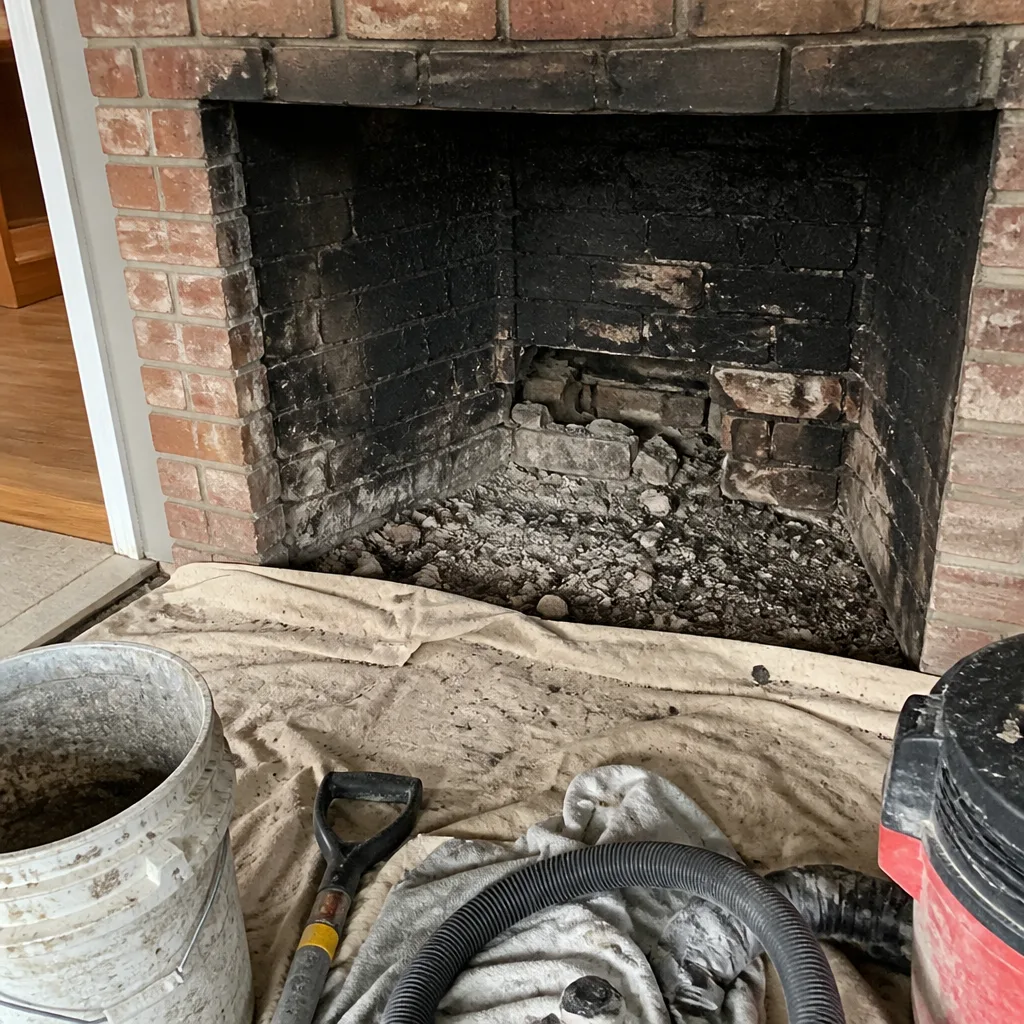 Before
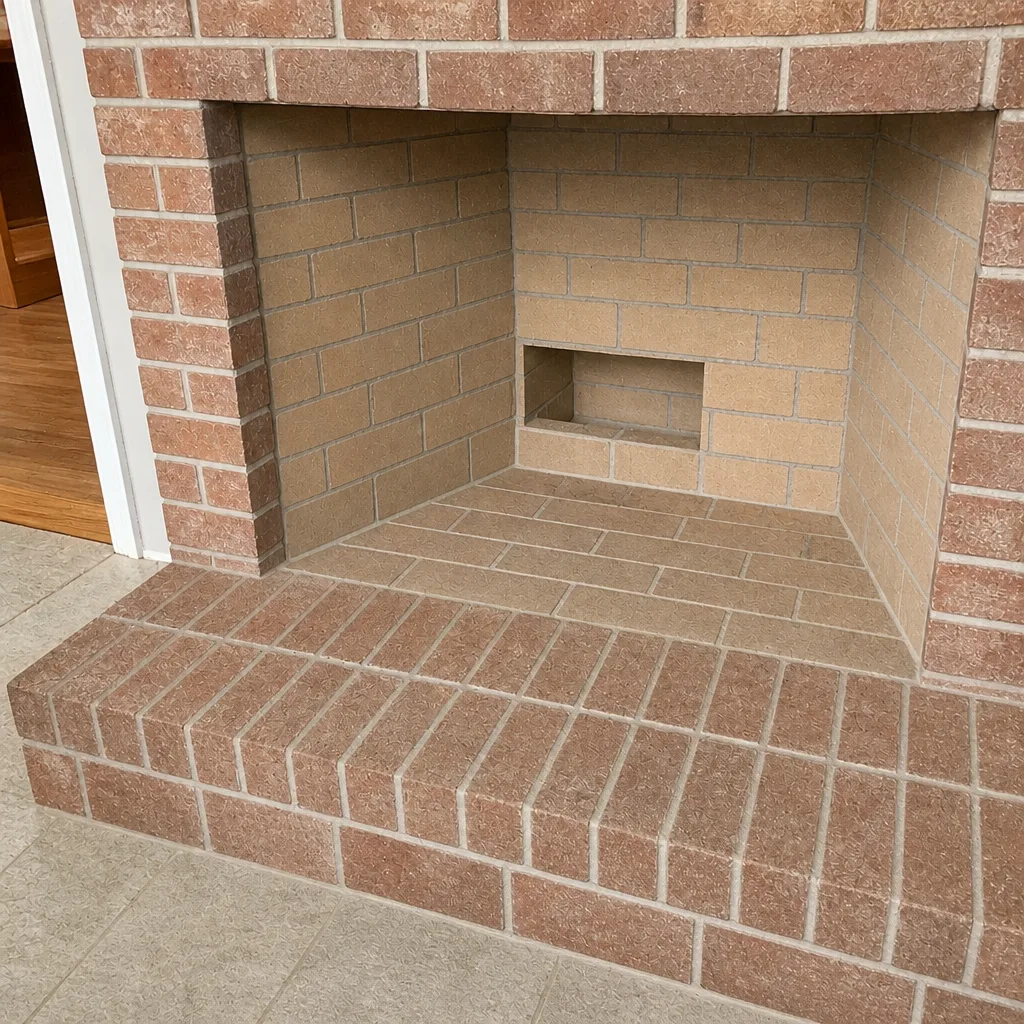 After
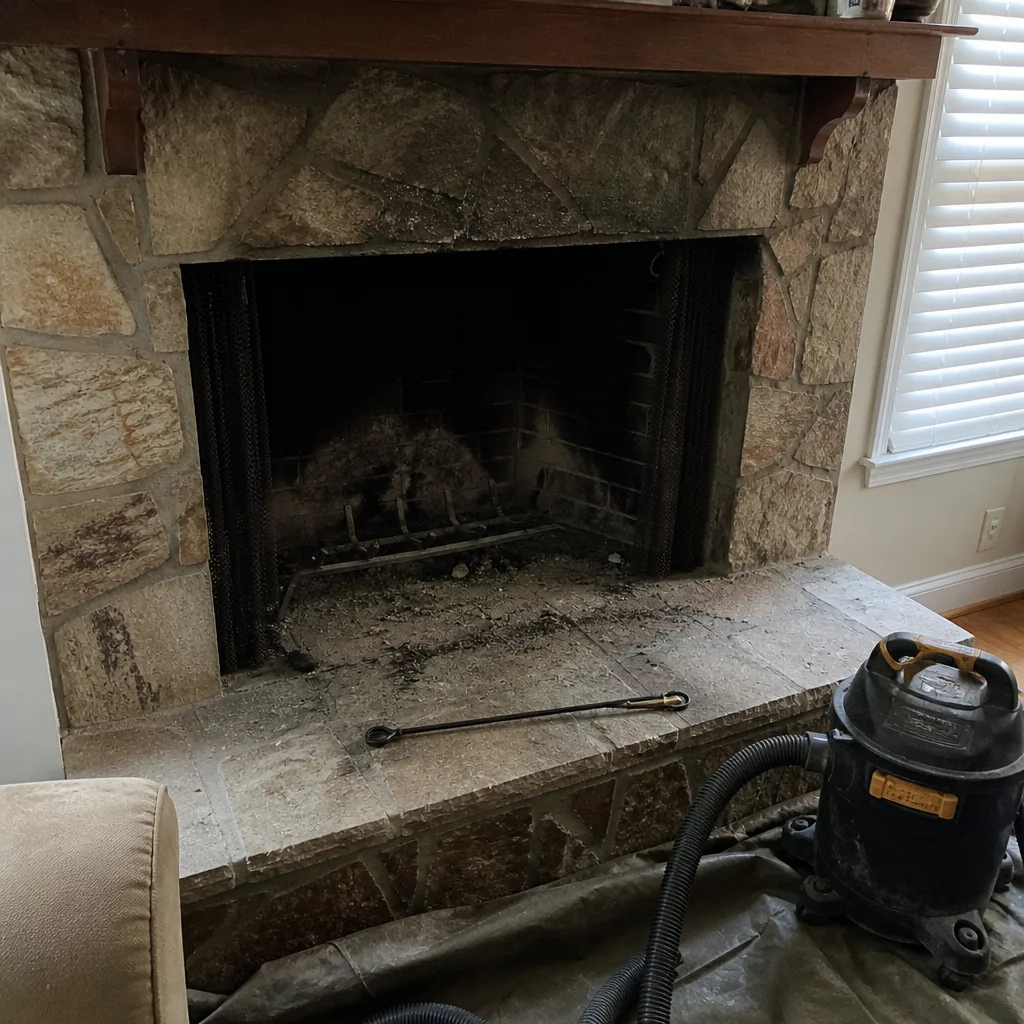 Before
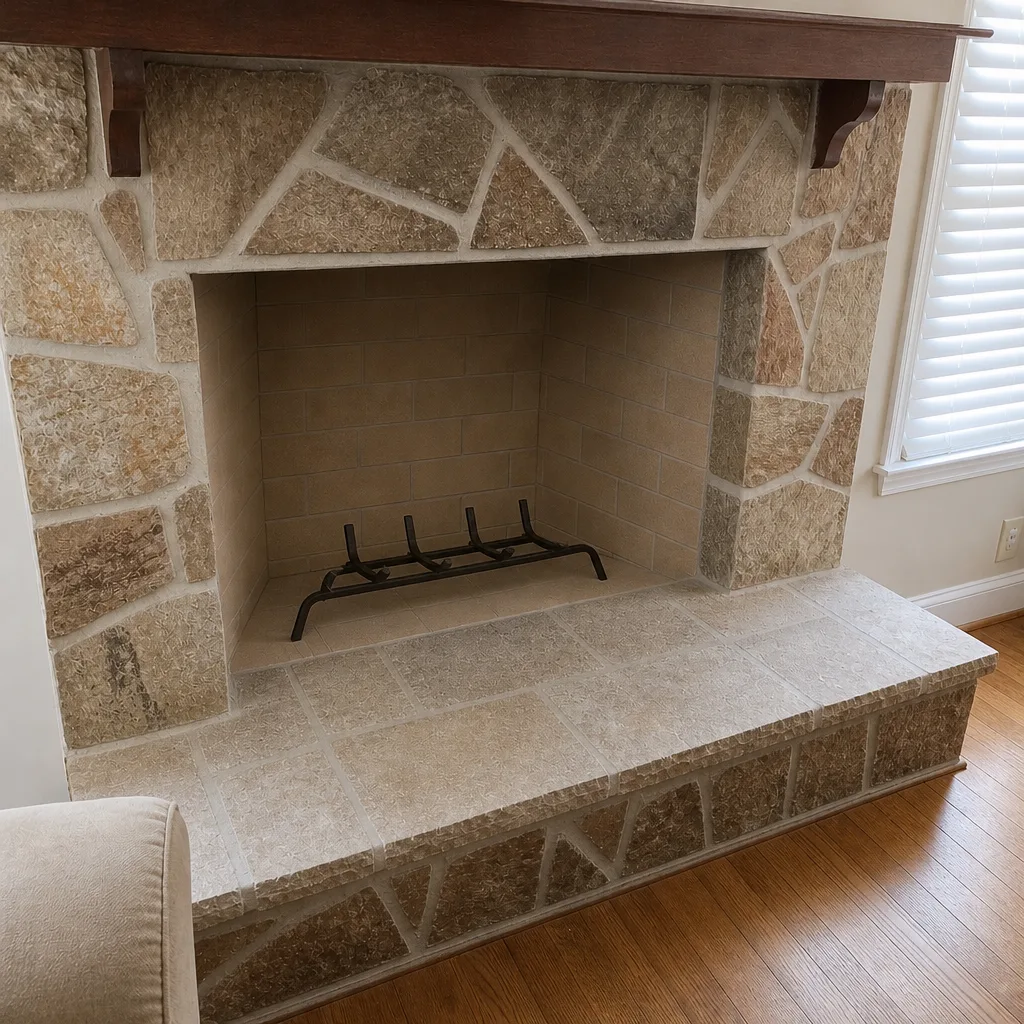 After
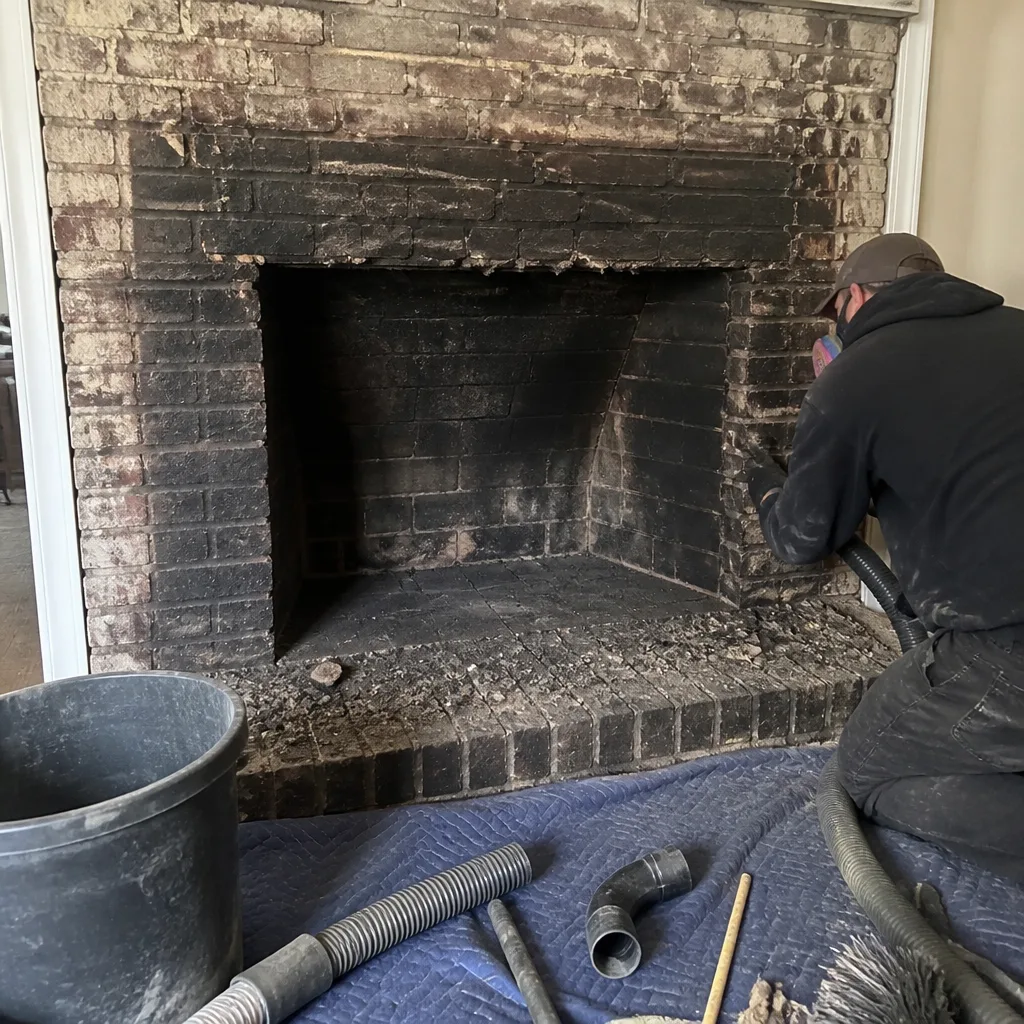 Before
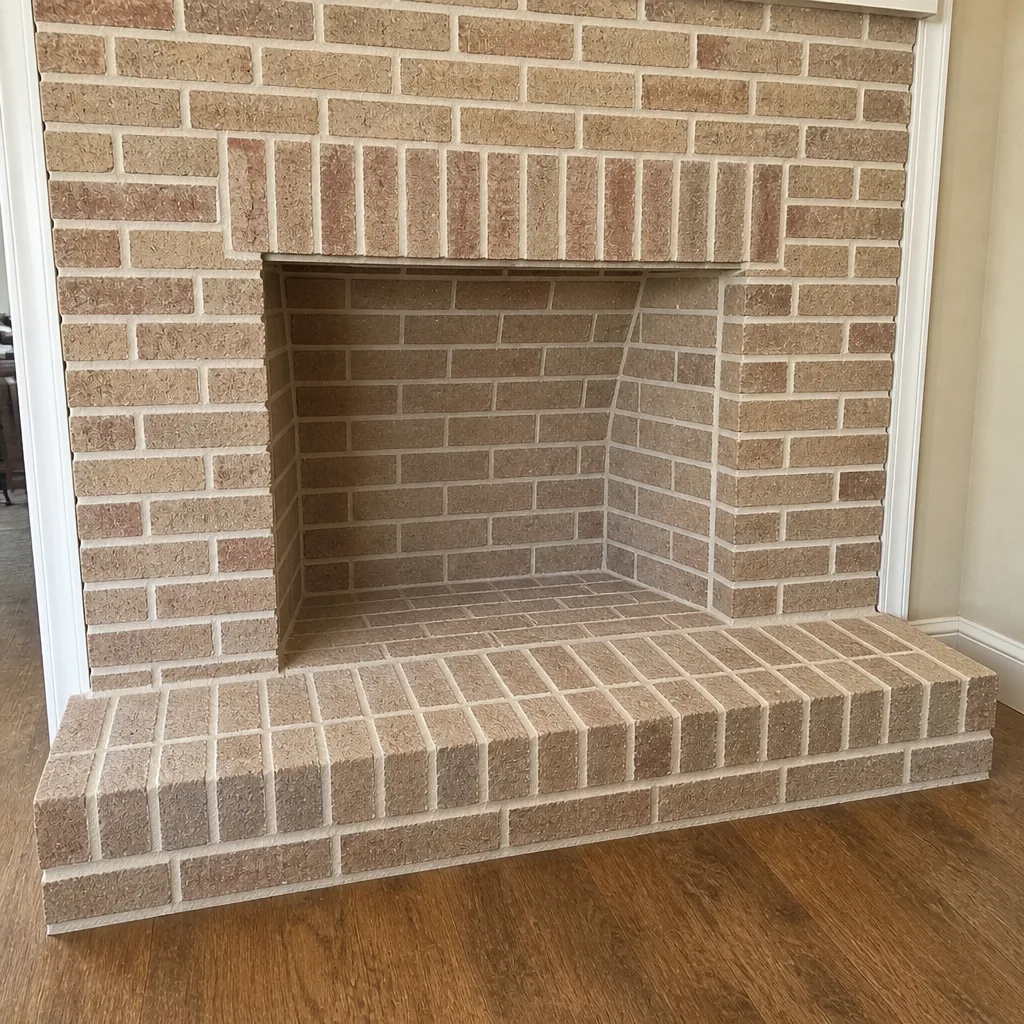 After
When to Call a Professional
Some chimney issues are homeowner-safe to check from the ground. Others are not. Call a professional when you find crumbling or sandy mortar on the exterior joints, white chalky staining, or spalling brick. Call when you see moisture stains on the chimney breast inside the house, ice pooling around the crown, or a cap that’s bent or missing. Call if you hear scratching or chirping from the chimney in spring or summer. Call if you haven’t had a sweep in over a year and are planning on burning through the winter. And call if your last sweep turned up a problem the sweep company couldn’t fix – a deteriorated liner, a crown issue, an offset flue – because that’s exactly the kind of work we do. Concord Chimney Cleaning offers free estimates in Concord – call (866) 665-4951. We answer 24/7. Fast dispatch from 7am to 7pm, Sunday through Friday.
Concord Chimney Cleaning handles sweep, inspection, and repair as one company.
Frequently Asked Questions
Late summer – roughly mid-August through mid-September – is the best window in Concord. Demand hasn’t peaked yet, so appointments are easier to get, and if the sweep turns up a repair, there’s still time to complete it before burning season. Spring is the second-best window, because getting creosote out before summer humidity arrives reduces the moisture and creosote interaction that quietly damages liners. Call (866) 665-4951 for the next available slot – estimates are free.
For most wood-burning fireplaces in active use, once a year is the standard. A home that burns several cords a season, or burns green wood, may need more frequent attention than a home that lights a fire a few times a month. The way to know is by inspection, not by guessing – a sweep and inspection tells you what’s actually in the flue rather than what the calendar says should be. Call (866) 665-4951 to book an inspection and get a real answer for your chimney.
Gas fireplaces don’t produce creosote the way wood-burning systems do, but they still need a chimney inspection, and venting needs to stay clear of seasonal debris, nesting material, and moisture. Summer humidity affects gas-venting chimneys in the same way it affects wood-burning ones, because the masonry doesn’t know what fuel is being burned. An annual inspection keeps both types safe. Call (866) 665-4951 to schedule one.
Three things happen: creosote sits longer and reacts with summer humidity, moisture finds its way into hairline cracks in the liner and widens them, and quiet damage progresses in the flue. By the time the first fall fire is lit, the chimney has had a full season of this. It’s why a spring or early summer sweep is worth doing even when the fireplace seems fine. If it’s been more than a year, call (866) 665-4951 – estimates are free.
Often, yes. HeatShield ceramic resurfacing is a liner-restoration method that rebuilds the interior surface of a deteriorated flue without requiring a full liner replacement. It’s not right for every liner problem; a full replacement with a DuraFlex flexible liner system is sometimes the correct path, particularly on offset or complex flue configurations that a rigid liner can’t handle. The inspection is what tells you which applies. Call (866) 665-4951 to have it looked at.
Freeze-thaw cycling. Concord and Cabarrus County sit in a climate band where temperatures cross the freezing line dozens of times each winter, which expands and contracts moisture in mortar joints and slowly widens existing cracks. A long, consistently cold stretch would do less damage than repeated freeze-thaw cycles. The fix is usually repointing the mortar before the next winter compounds it, and the best time to catch it is on an inspection. Call (866) 665-4951 for a free estimate.
The Bottom Line
Chimney care in Concord is a year-round job, not a fall ritual. Summer humidity and sitting creosote quietly damage liners and mortar; spring invites animals into uncapped flues; winter’s freeze-thaw cycle breaks down joints that summer already weakened. The two checkpoints that actually change outcomes are the sweep and the inspection – and both are best booked in late summer, before the fall rush takes the calendar. A professional-grade product line behind every repair – DuraFlex, HeatShield, Olympia Chimney, Famco – means what goes into the chimney is known, not anonymous. If it’s been a season or more since the last sweep, or if the exterior shows signs the seasons are winning, call Concord Chimney Cleaning at (866) 665-4951 for a free estimate. We answer 24/7. Fast dispatch from 7am to 7pm, Sunday through Friday.
Written by the team at Concord Chimney Cleaning.