
Last updated November 15, 2026
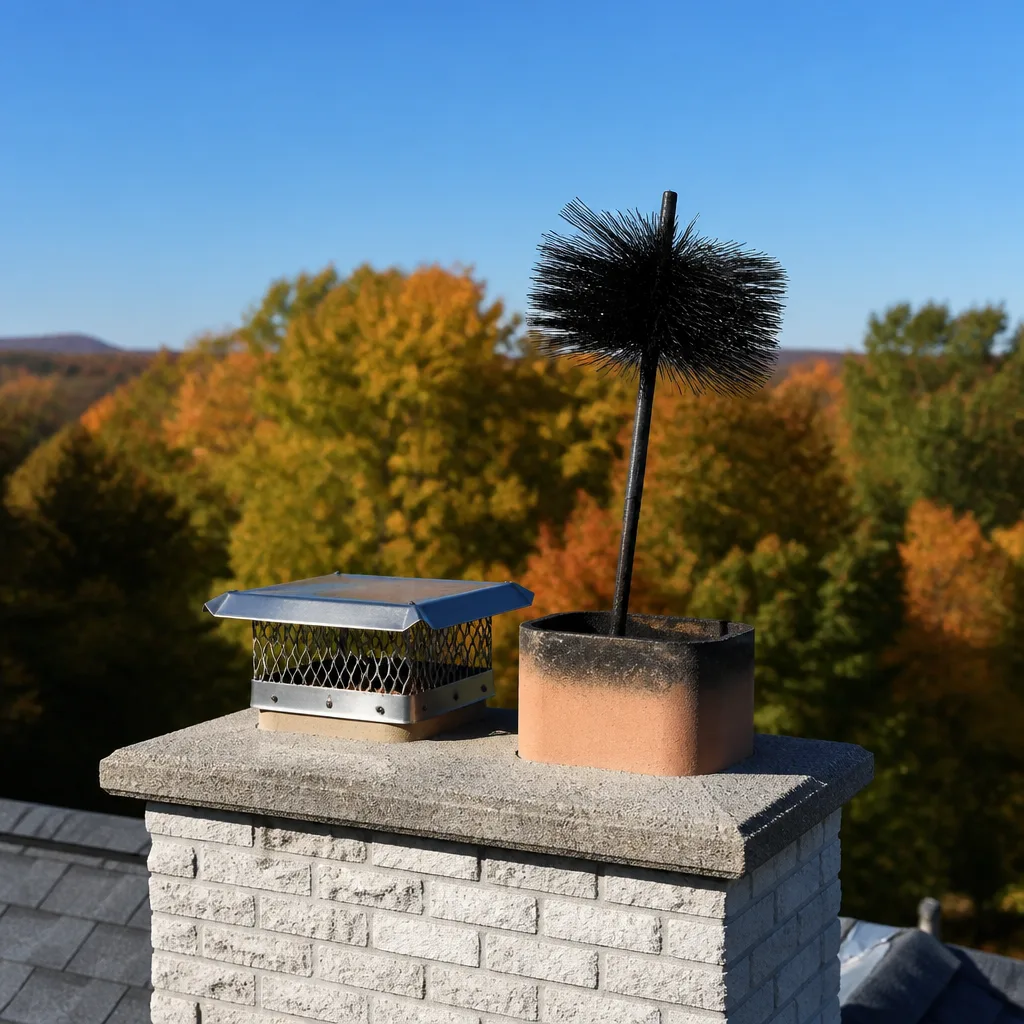 Sweep & inspection
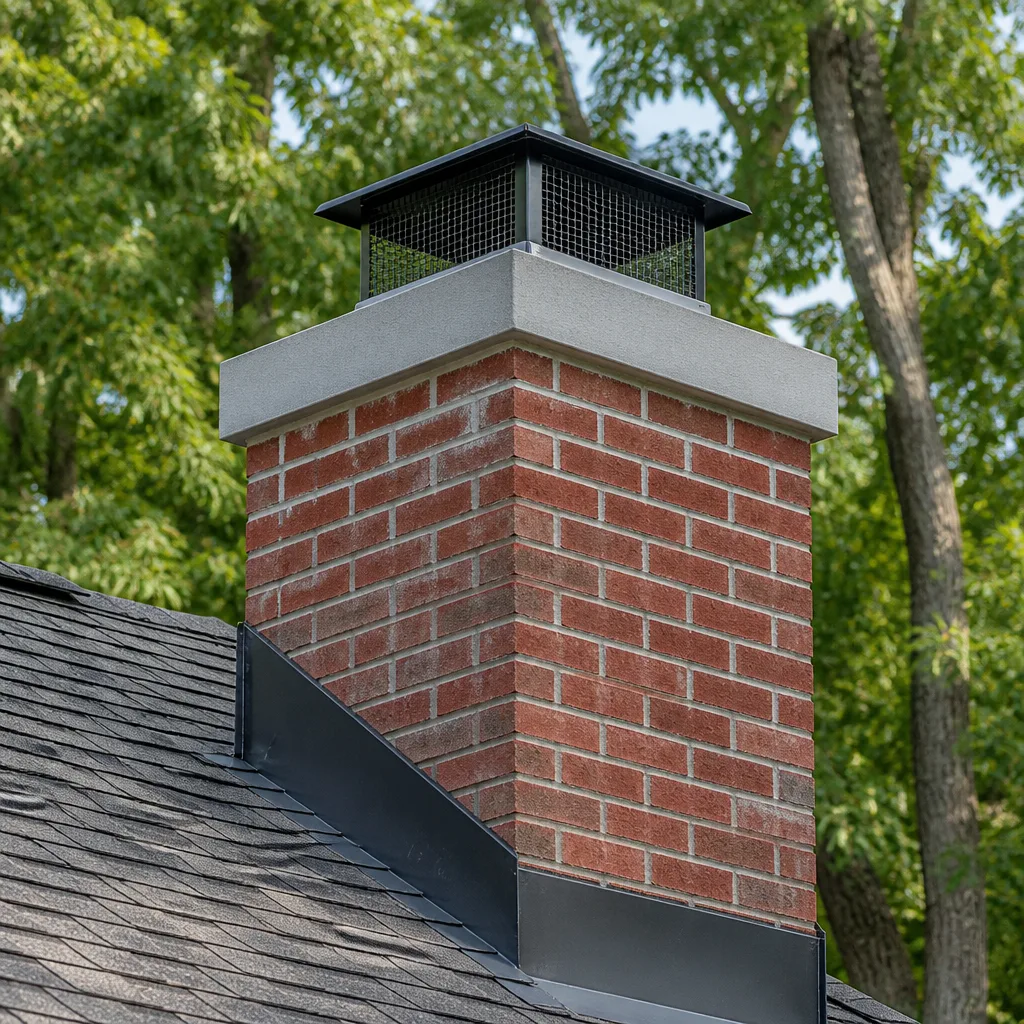 Caps & crowns
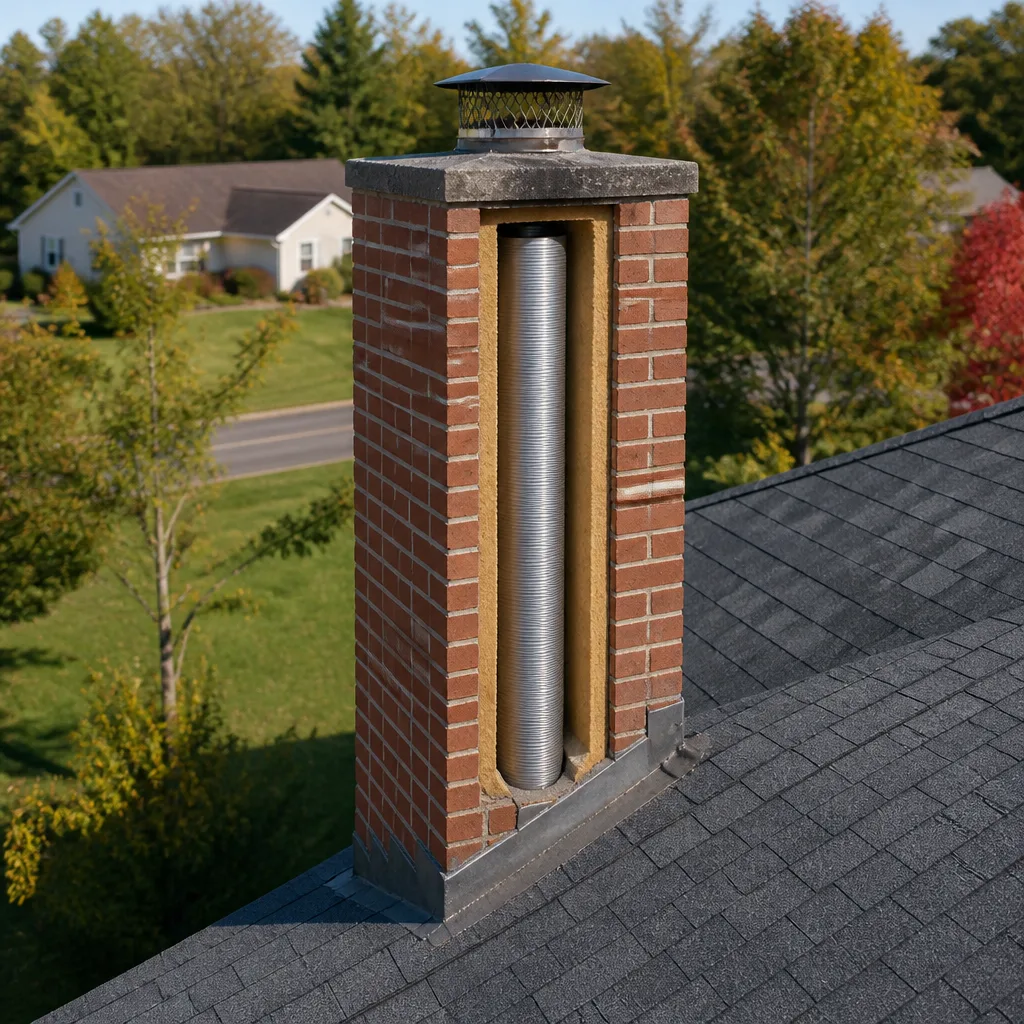 Flue relining
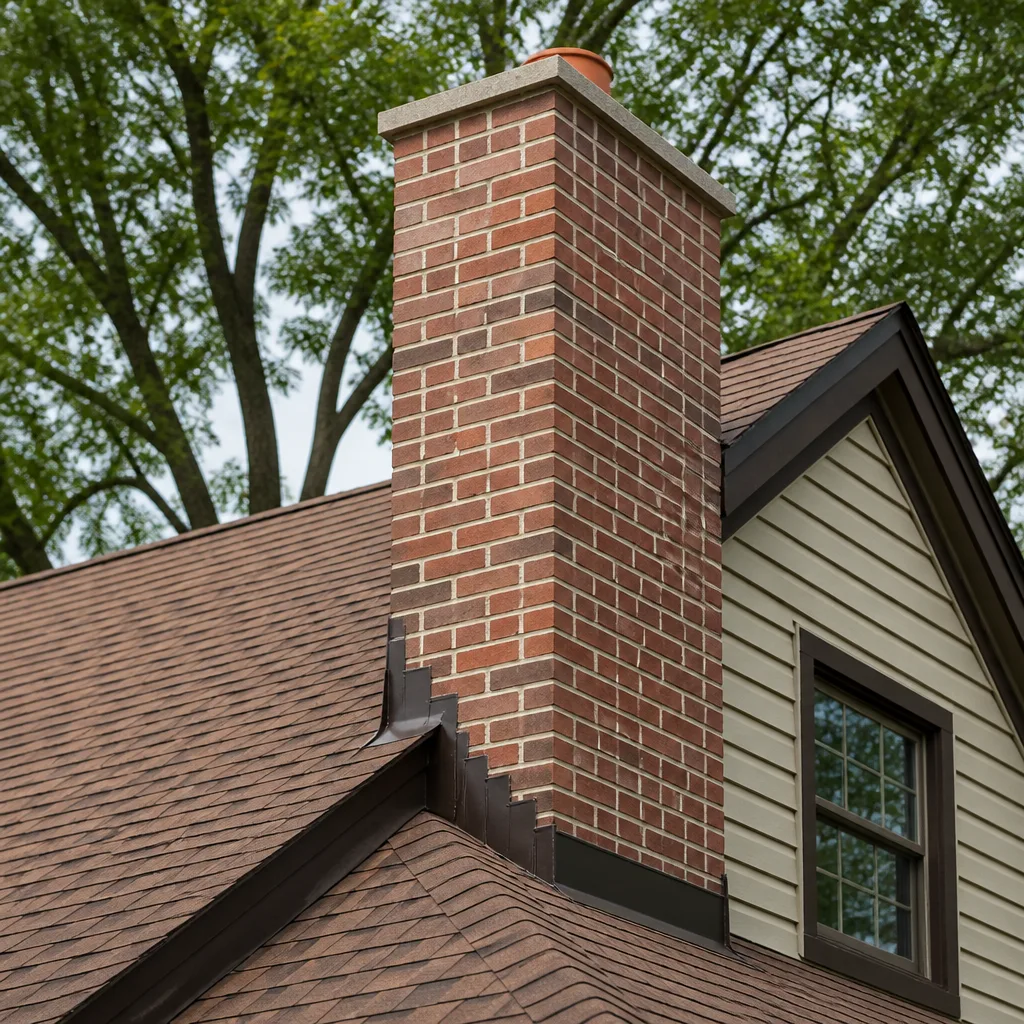 Masonry repair
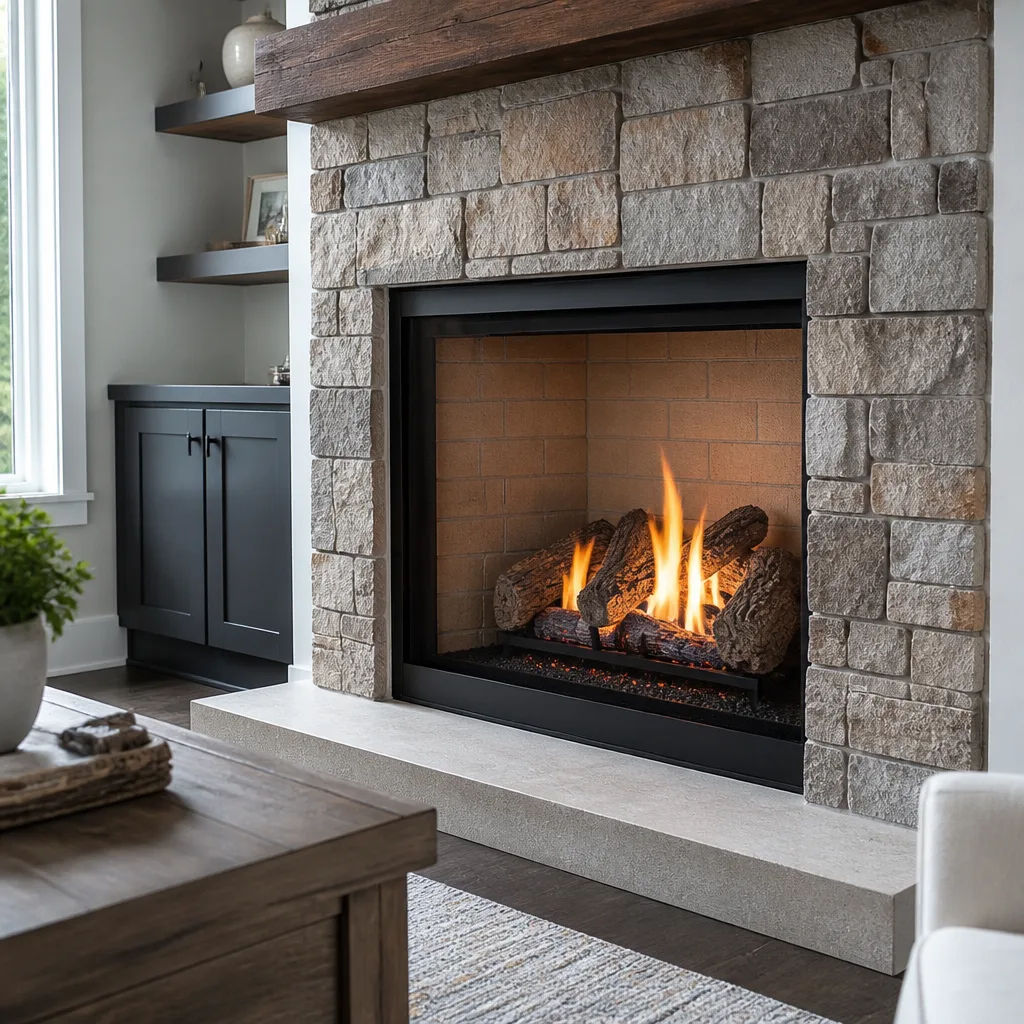 Gas fireplace service
Level 1 sweep and inspection to the NFPA 211 annual standard - flue, crown, cap, and flashing checked and photographed
Chimney sweep logs do not sweep chimneys. They loosen some creosote - which then falls where a brush and vacuum still have to collect it.
Chimney Cleaning Emergency Preparedness Guide for Concord Homes
A chimney fire doesn’t announce itself with a smoke alarm. Homeowners who’ve lived through one describe a low roar that builds into something like a freight train, or flames shooting from the top of the flue like a blowtorch. Many of them had burned wood in that same fireplace for years and never once considered it possible. Creosote accumulates quietly, glaze hardens on the liner, and a hot fire finds it. What you do in the first ten minutes matters, but so does everything you decided in the years before. This guide covers the before, during, and after of a chimney emergency for Concord homes.
Quick Answer
If you suspect a chimney fire, close the damper, call 911, and get everyone out of the house. A chimney fire that has burned hot enough to damage the flue liner can let carbon monoxide and heat into the structure of your home. Once the fire department clears the scene, do not light another fire in that fireplace until a Level 2 inspection has confirmed the liner and chimney structure are intact. Annual professional sweeping is the single most reliable way to reduce your risk before an emergency ever starts.
Styles & brands we work with
- Sweep & inspection
- Caps & crowns
- Flue relining
- Masonry repair
- Gas fireplace service
Table of Contents
- What to do in the first ten minutes of a chimney fire
- What a chimney fire actually does to a liner system
- Why a post-fire Level 2 inspection is mandatory
- Carbon monoxide warning signs from a chimney versus other sources
- The maintenance decisions that decide how bad it gets
- How a post-emergency contractor assessment works
- Concord-specific risk factors and seasonal timing
- Building a chimney emergency preparedness kit
What to do in the first ten minutes of a chimney fire
Close the damper, call 911, and get out. That order matters more than most homeowners realize, and the reasoning behind each step is worth understanding before you ever need it.
Close the damper first. An open damper feeds oxygen to the fire and pulls it harder up the flue. Shutting it restricts the air supply and slows the burn. If your damper is already closed or you can’t reach it safely, skip this step and move to the second.
Call 911 second. Chimney fires can spread into the framing of a home within minutes because the heat travels through the masonry or metal chimney system. Even a fire that appears to be contained to the flue can crack a liner and expose nearby combustibles. Let the fire department make the call on whether the structure is safe.
Get out third. Take people and pets. Don’t stop for belongings. Gather at a safe distance from the house and stay there until the fire department tells you it’s clear.
Do not try to fight the fire with water from inside the house. Throwing water into a firebox that’s several hundred degrees can crack a firebox or a liner, and the steam can be dangerous. A chimney fire extinguisher or chimney flare can be used by a trained household member as the fire begins, but only if it’s already on hand and you know how to use it. Never climb onto the roof to spray water down the flue. Roof access is dangerous under normal conditions, and it’s far worse during a fire when the masonry may already be compromised.
Signs you may be dealing with a chimney fire rather than a normal burn include a roaring or rumbling sound, a dense column of black smoke from the chimney top, a sudden drop in the fire’s intensity, or a burning smell in rooms that shouldn’t smell like smoke. Concord homeowners who burn frequently through the colder months should treat any of those as a call-to-action, not a curiosity.
What a chimney fire actually does to a liner system
A chimney fire reaches temperatures that ordinary wood burning never approaches. That heat does damage that isn’t always visible from the firebox or the roof, which is why a fire that “didn’t look that bad” can still have compromised the chimney system.
The flue liner is the layer that separates hot flue gases from the framing and structure of your home. When a chimney fire burns hot, the liner takes the hit. Clay tile liners crack and spall. Metal liners warp, buckle at seams, and lose their connection points. A stainless flexible liner, like the systems we work with from DuraFlex, is designed to handle high heat, but even a quality liner can be compromised by a severe fire if the connection at the top plate or the appliance collar takes direct heat.
Beyond the liner, look at these components:
- Mortar joints in the masonry flue. Heat cooks the mortar, and it can crumble or crack, opening gaps that flue gases can pass through.
- The chimney crown. A fire hot enough to crack a crown can turn a small existing crack into a real water-intrusion problem for the next storm.
- The damper. A warped or heat-damaged damper may no longer seal, which affects both efficiency and safety.
- The smoke chamber. This transition zone above the damper is where creosote glazes and heat concentrates. Cracks here are common after a fire and are hard to spot without a camera.
- Adjacent framing. If the flue liner has failed, hot gases can reach wood framing through any gap.
The critical point: a visual check from the firebox with a flashlight tells you almost nothing about liner condition. The damage is often in the sections you can’t see, in the middle of the run or above the smoke chamber. That’s the reason a post-fire evaluation requires an inspection with a camera and proper access to the flue, not a glance and a vote of confidence.
Why a post-fire Level 2 inspection is mandatory
A Level 2 inspection is a full evaluation of the chimney’s accessible components, including the flue interior, using camera equipment and access to areas a basic visual check can’t reach. After any chimney fire – even a small one – this is the level of inspection you need before you burn again.
The inspection examines the flue liner from the appliance connection to the top, checks the smoke chamber, examines the crown and cap, verifies the clearances to combustibles, and looks at the appliance connection itself. The technician documents what’s found with photos. That documentation matters for two reasons: it tells you exactly what’s compromised, and it gives you something concrete to make a repair decision on, rather than a vague verbal warning.
There are three possible outcomes from a post-fire Level 2 inspection in our experience:
- The liner is intact and the chimney is usable. Some fires, particularly ones that stayed brief and low, leave the liner serviceable. You’ll want documentation of that condition before the next burn.
- The liner has localized damage that can be restored. Small-area deterioration in the smoke chamber or flue transition is sometimes a candidate for restoration rather than full replacement, using a ceramic resurfacing system like HeatShield.
- The liner is compromised and needs replacement. A cracked or separated clay tile liner, a warped metal liner, or a failed seam is a full-relining job. Anything less leaves a path for heat and carbon monoxide into the structure.
If an inspector tells you the chimney is fine but can’t show you the interior on camera or explain what they checked, that’s not a Level 2 inspection. A full-service chimney repair contractor should be able to show you the inspection evidence and, when a repair is needed, quote and perform it. Splitting the inspection from the repair is where homeowners get stuck, because the inspection finds a problem and then the inspector has no solution.
Carbon monoxide warning signs from a chimney versus other sources
Carbon monoxide from a chimney problem has some specific tells that separate it from a CO event caused by a furnace, water heater, or range. Knowing the difference helps you react correctly.
Chimney-sourced CO comes from a flue that is no longer venting properly. The most common causes are a blocked flue (creosote, a bird nest, a collapsed liner section), a cracked liner that’s allowing gases to escape into the structure before they reach the top, or backdrafting from a chimney that doesn’t draw correctly. Backdrafting is a particular concern in tight, well-insulated homes, where the pressure balance can pull flue gases back into the living space when a strong exhaust fan runs.
Watch for these signs:
- Soot or brown staining around the firebox opening, on the chimney breast, or on the wall near the appliance.
- A smoky smell in the house when the fireplace is burning, or a smell that lingers after the fire is out.
- Moisture on the inside of windows near the fireplace during a burn – a sign of incomplete combustion and poor ventilation.
- Headaches, dizziness, or nausea that appear or worsen when the fireplace is in use and fade when it’s not.
- A CO alarm sounding in a room adjacent to the fireplace, even briefly.
A CO alarm in the room with the fireplace or in an adjacent bedroom is the single most important backup. Chimneys that vent a furnace or water heater as well as a fireplace are a particular concern because a compromised flue can expose the family to CO from appliances that aren’t burning wood at all. If you smell combustion gases or your alarm sounds, get everyone outside and call 911. From there, the chimney gets inspected before any appliance connected to it is used again.
The maintenance decisions that decide how bad it gets
The question homeowners ask after a chimney fire is usually “how do I prevent this?” The honest answer is that you can’t eliminate risk entirely, but a handful of maintenance choices significantly change the probability and the severity if a fire happens.
Annual sweeping. Creosote is the fuel. A chimney that’s swept on a regular schedule has less of it. Sweeping removes the buildup before it can glaze and harden, and it gives a technician a chance to catch early liner problems. A chimney sweep done properly – with a camera inspection included – is the single highest-leverage maintenance decision a fireplace owner can make.
Liner condition. A properly sized and intact liner keeps hot gases moving up and out. A compromised liner changes the whole picture: heat can reach framing, CO can leak into the home, and even a modest fire becomes dangerous. When we install liner systems, we use professional-grade products – DuraFlex for flexible and offset flue configurations, and where restoration makes more sense than replacement, HeatShield ceramic resurfacing. Knowing what’s in your chimney matters more than the price of the liner.
Damper condition. A tight-fitting damper closes the flue between fires, keeps out cold air, and helps control a fire. During a chimney fire, a damper that closes properly restricts oxygen. A warped, rusted, or missing damper is a real gap. Keep an eye on it.
Burning well-seasoned wood. Wet wood produces more creosote because the fire burns cooler and less efficiently. Dry, seasoned wood burns hotter and cleaner. This is a habit, not a purchase.
A proper cap. A cap keeps out rain, animals, and debris. We work with cap options from Gelco and Olympia Chimney that fit the flue properly and protect the chimney year-round. A missing or damaged cap is one of the more common causes of blocked flues in Concord.
A CO alarm in the right place. Testing monthly, replacing batteries when the unit calls for it, and placing an alarm near the fireplace.
How a post-emergency contractor assessment works
Once the fire department has cleared the scene, the next step is a contractor assessment – but not the kind that starts with a sales pitch. A real post-fire assessment starts with inspection evidence.
A good assessment process looks like this:
- Exterior evaluation. The technician checks the crown, the cap, the masonry, the flashing, and the chimney top for visible damage from the fire.
- Interior visual inspection. The firebox, damper, and smoke chamber get examined directly with lights and mirrors.
- Camera inspection of the flue. A camera runs the length of the liner to check for cracks, separation, warping, or debris. Photos document what’s found.
- Draft testing. The technician verifies the chimney is venting properly and checks for backdrafting.
- Clearance verification. Clearances to wood framing and combustibles get checked against code requirements.
- Written findings and options. You get the inspection photos and a written recommendation, organized around whether the liner is intact, restorable, or in need of replacement.
The liner integrity question is the center of the whole assessment. If the liner is good, you may only need a sweep and a new cap. If it’s restorable in a limited area, a HeatShield resurfacing may solve it. If it’s failed, a relining is the only answer, and the material choice matters – a flexible liner system like DuraFlex can handle the offset and angled flue configurations that a rigid liner can’t.
Ask for the photos. Ask what was checked and what wasn’t. A post-fire assessment should leave you with documentation you can hold in your hand, not just a verbal summary. This is a conversation about the structural safety of your home, and a contractor who won’t show their work is telling you something.
Concord-specific risk factors and seasonal timing
Chimney risk in Concord has a seasonal pattern that’s worth planning around. Cabarrus County falls into the humid subtropical climate zone, which means home heating systems sit idle for long stretches and then get used heavily. That rhythm affects creosote accumulation and how homeowners notice problems.
Fall-through-early-spring is the burn season here, and the risk builds through it. A fireplace that gets used a few times a week accumulates creosote steadily, and by February a chimney that was borderline clean in October can be seriously glazed. The practical move is to schedule a sweep before the season starts, not mid-season, because the months after a sweep are the months with the least creosote.
Summertime is when blocked flues happen quietly. Birds nest in uncapped chimneys, squirrels get in, and storm debris can fall down an open flue. Concord’s summer thunderstorms and the occasional tropical moisture push debris and animals into chimney openings. That’s why the first burn of fall can be the most dangerous fire of the year – a blocked flue produces a smoky, poorly drawing fire, and homeowners often blame the wood or the weather instead of the blockage.
Winter ice on a chimney crown and flashing can crack masonry, and the freeze-thaw cycle that Concord gets most winters is a real factor in the condition of older chimney structures. A post-winter inspection is worth considering for chimneys that show signs of aging.
For any of this – an annual chimney sweep, a post-season inspection, or a repair after something’s gone wrong – working with one company that handles the scope matters. We serve homeowners throughout Concord and the surrounding area. If you want to see the service area, the Concord page has the details.
Building a chimney emergency preparedness kit
Most chimney emergencies are managed better with a small amount of preparation on hand before anything happens. The kit doesn’t need to be complicated, and it fits in a kitchen drawer or a single bin near the fireplace.
- A working flashlight with fresh batteries, kept where you can find it in the dark.
- A CO alarm installed in the room with the fireplace or an adjacent bedroom, tested monthly.
- A chimney fire extinguisher or flare kept near the fireplace if your household is trained in its use.
- Your chimney contractor’s contact information in your phone or on the fridge.
- Documentation from your last inspection – the photos and written report from any prior Level 2 inspection, so a post-fire assessment has a baseline to compare against.
The baseline documentation point is underrated. If your chimney was inspected last year and you have photos and a report showing the liner in good condition, a post-fire assessment has something to compare against. Without it, an inspector can only describe what’s there now. It’s a small step that helps a lot when you’re trying to figure out whether the liner that “looks fine” is actually fine.
Beyond the physical kit, talk with your household about the plan. Everyone who lives in the house – adults and older children – should know to close the damper if it’s safe, call 911, and leave. Drilling that sequence twice a year, the way you’d drill a fire escape plan, is the difference between an action and a panic. The ten minutes it takes to talk through it is time well spent.
Common Mistakes to Avoid
- Assuming a “small” fire can’t do real damage. A chimney fire can crack a liner even when it burns briefly. The only way to know if the liner survived is a Level 2 inspection with a camera – a look through the firebox with a flashlight doesn’t answer it.
- Using the fireplace after a fire without inspection. Some homeowners wait a few days, see nothing wrong, and burn again. The liner damage may be out of sight, and the next burn is the one that fails. Have it inspected before the next fire.
- Skipping the annual sweep because the fire “burned clean.” Even a well-managed fire deposits creosote. Seasoned wood reduces the rate but doesn’t eliminate it, and a chimney that hasn’t been swept in multiple seasons is carrying fuel that a hot fire can ignite.
- Buying a cheap sweep and skipping the inspection. A sweep without an inspection checks a box without answering the safety question. Insist on a camera inspection with a documented report.
- Leaving the cap off or damaged through the summer. A missing cap is how animals and debris get into the flue in Concord. The blockage shows up on the first fall fire, when it’s already a problem.
- Ignoring a chimney smell or soot staining as “normal.” Persistent smoke smell in the house, soot around the firebox, or moisture on windows near the fireplace are signs of poor venting that deserve attention, not a fire that needs more wood.
- Trusting a vague repair quote without documentation. If someone tells you the liner is bad without showing you photos or explaining what was checked, get a second opinion with documented inspection evidence.
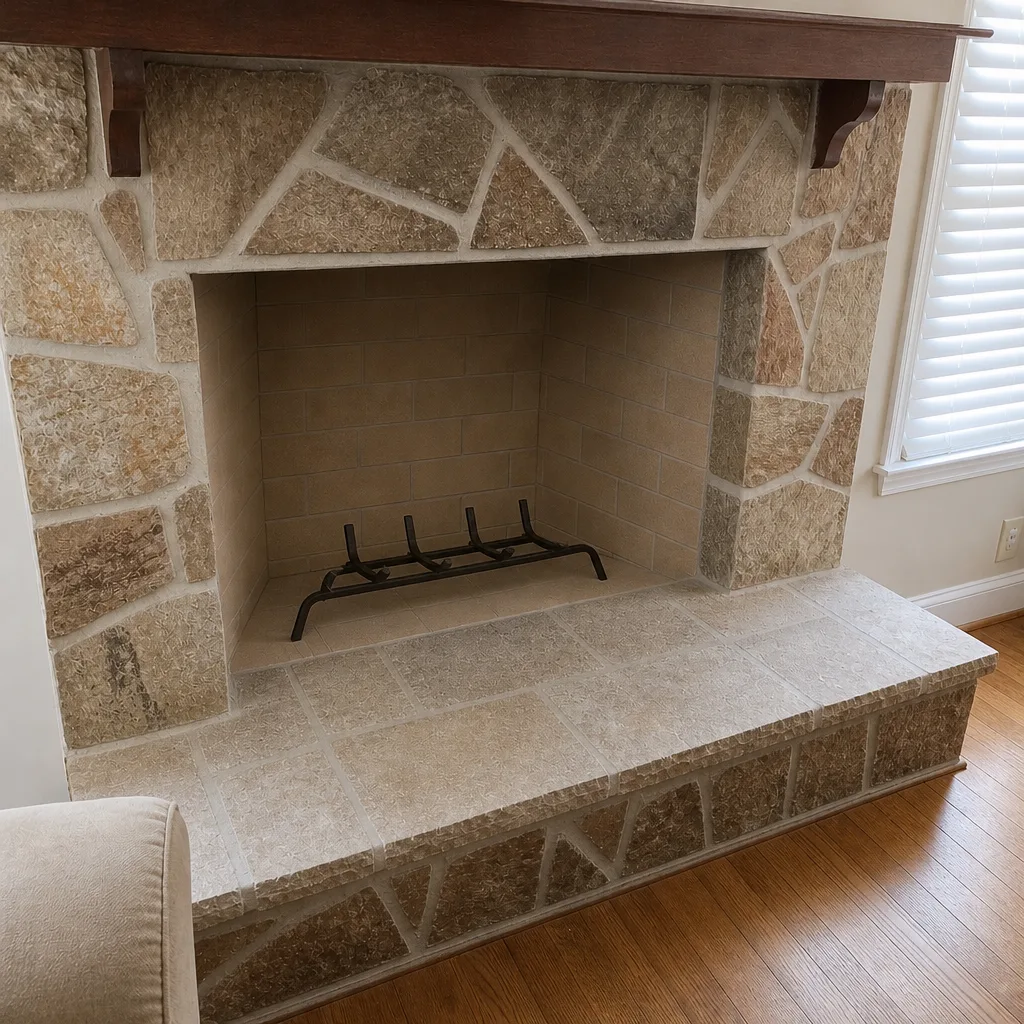
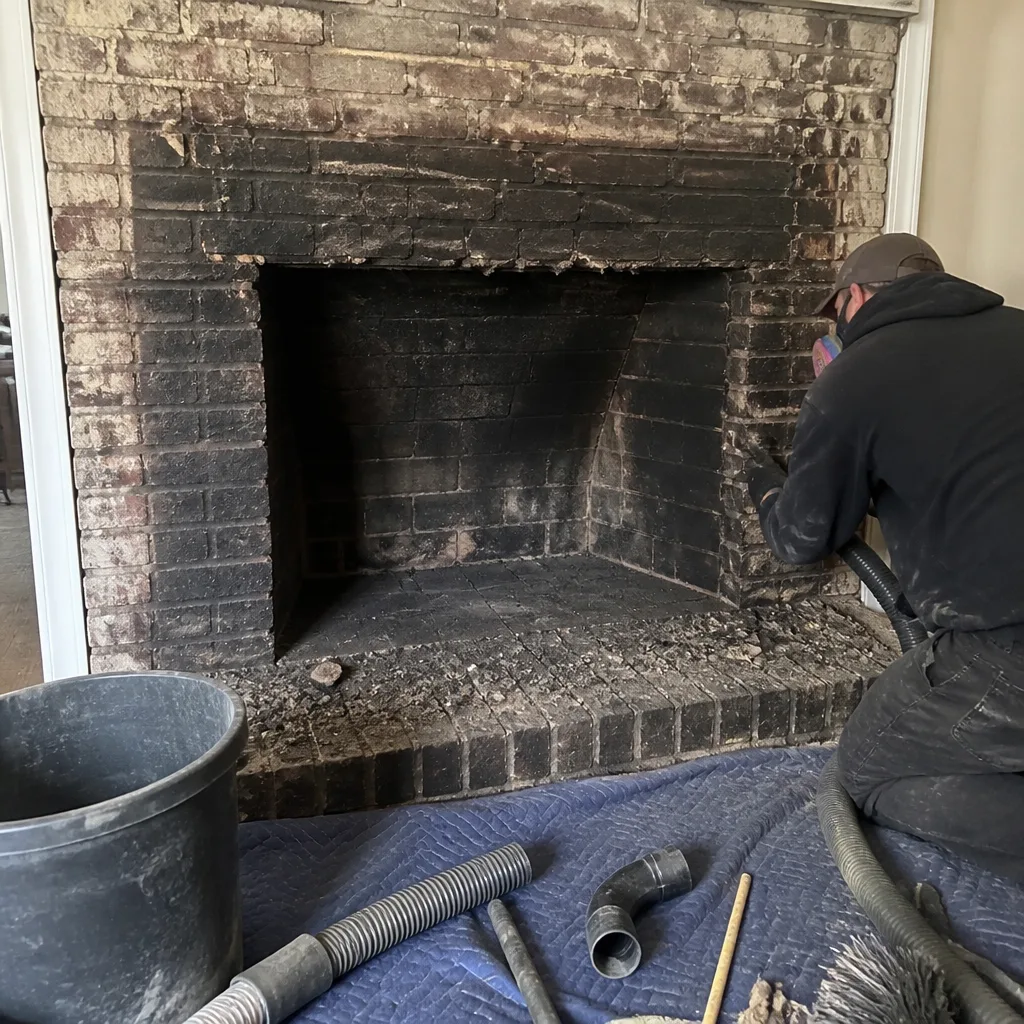
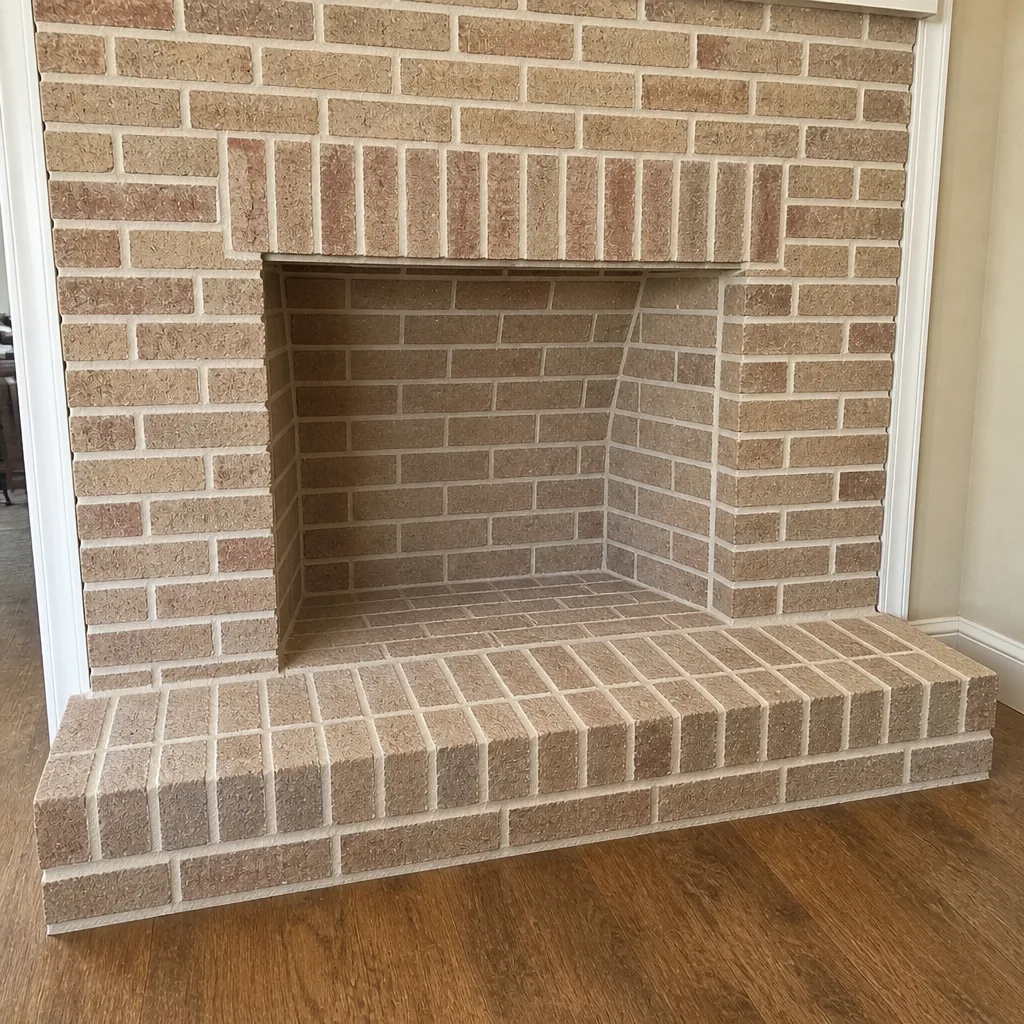
See the difference
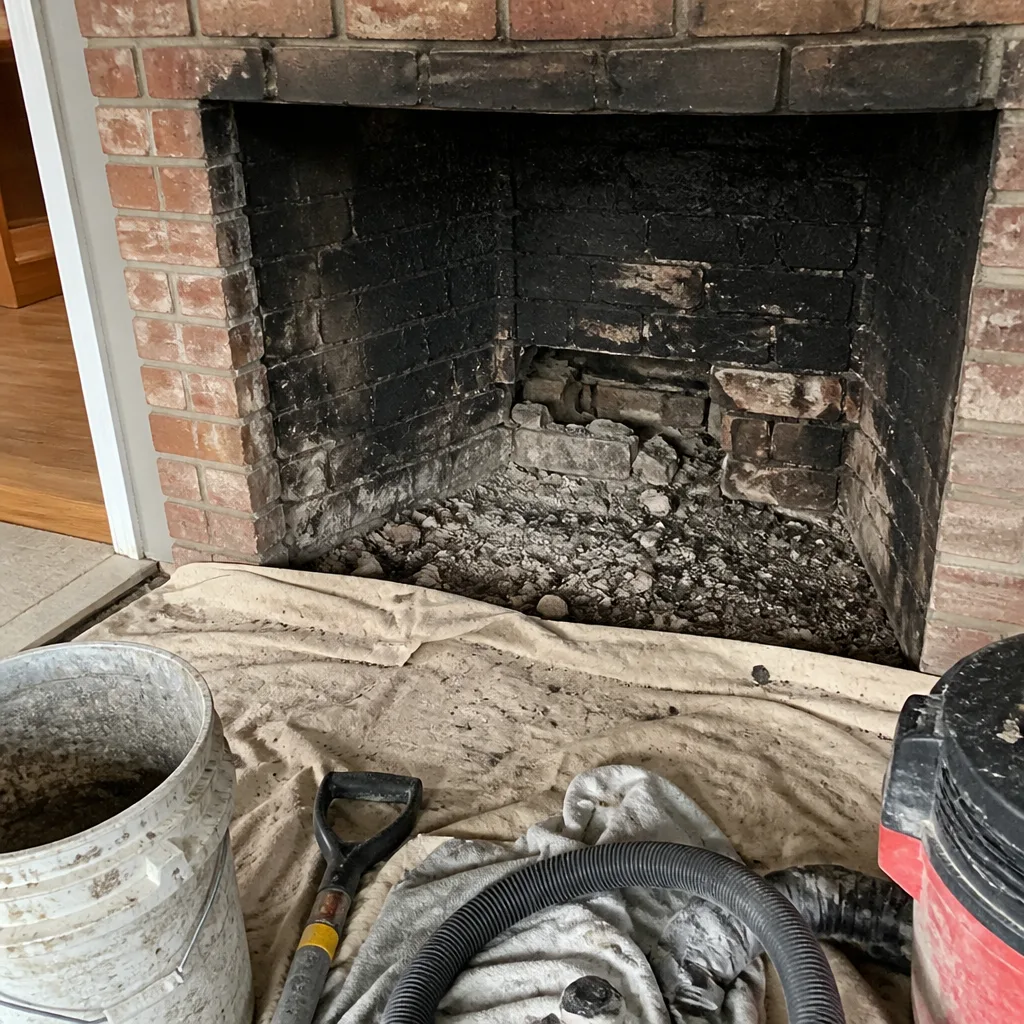 Before
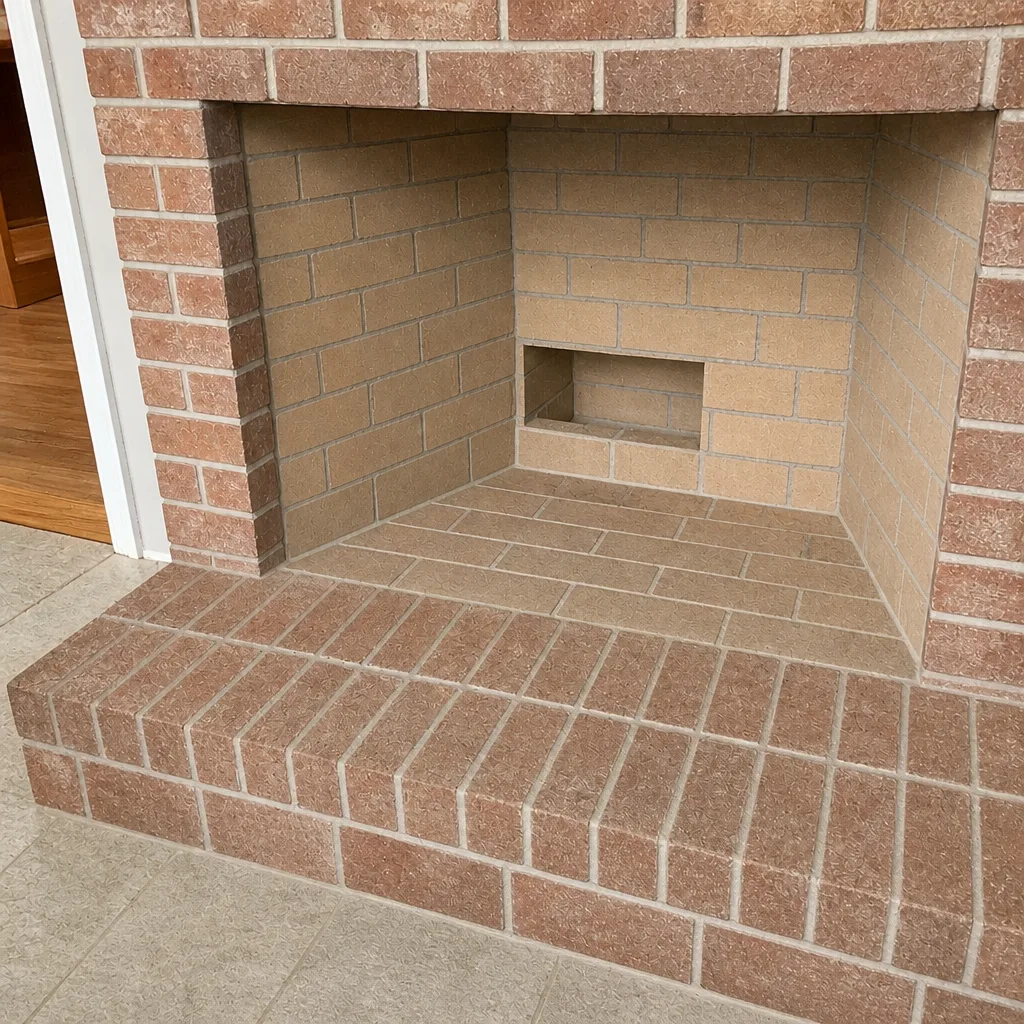 After
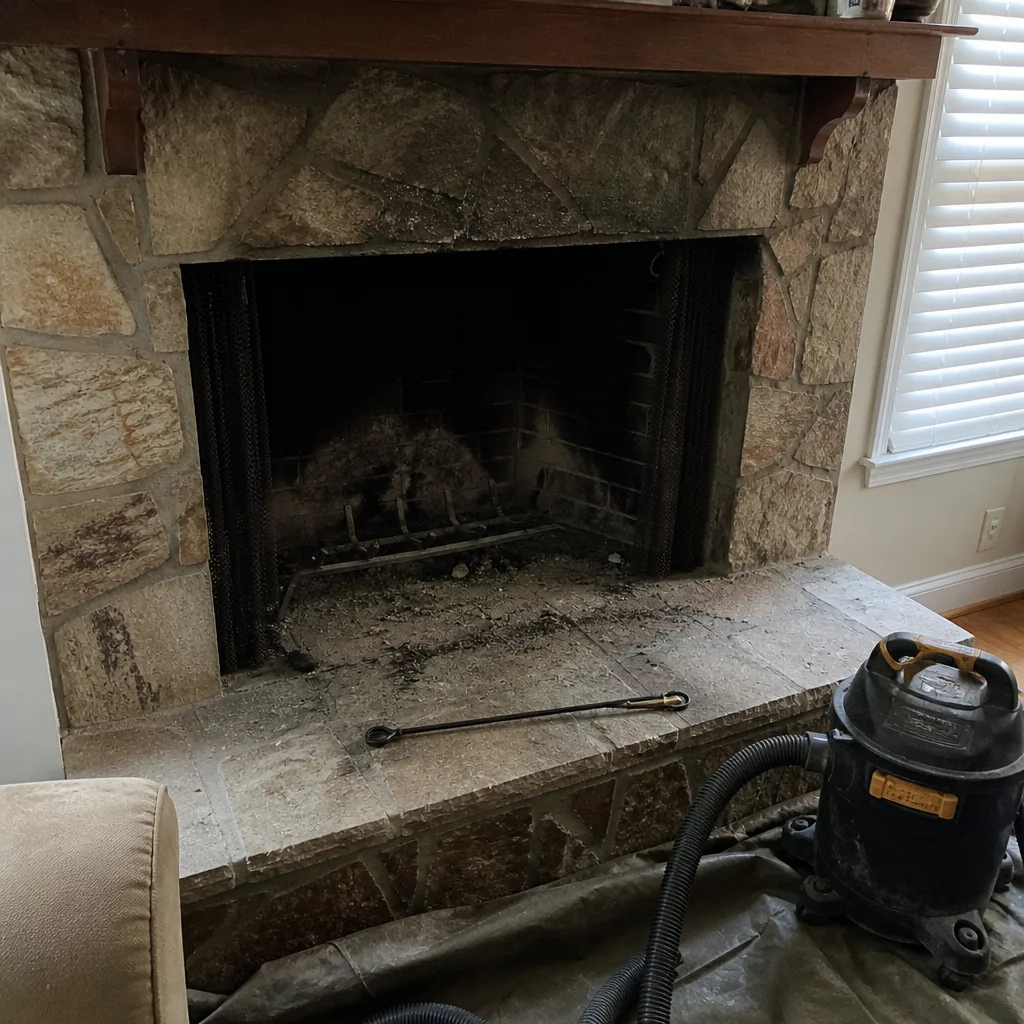 Before
 After
 Before
 After
When to Call a Professional
Call a professional after any chimney fire, no exceptions. Call if your CO alarm has sounded near the fireplace, if you smell combustion gases inside the house during or after a burn, if you see soot staining around the firebox, or if a winter storm has damaged the cap or crown. Call if it’s been more than a season since your last sweep, and call before the first burn of fall if you’re not sure when the chimney was last inspected. Concord Chimney Cleaning offers free estimates in Concord – call (866) 665-4951. We answer 24/7. Fast dispatch from 7am to 7pm, Sunday through Friday. One company handles the sweep, spots the problem, and makes the repair – chimney sweep, chimney inspection, and chimney repair under one contractor. Our technicians have up to 10 years of experience, and the work is documented with camera inspection and a photo report.
Frequently Asked Questions
Close the damper, call 911, and get everyone out of the house. Closing the damper first restricts oxygen to the fire, but if you can’t reach it safely, skip that step and get out. Don’t try to fight the fire yourself, and don’t climb onto the roof. Once the fire department clears the scene, the chimney needs a Level 2 inspection before the fireplace is used again. Call (866) 665-4951 to schedule one – estimates are free.
Once a year is the standard for a fireplace that gets regular use, and more often if you burn frequently or notice heavy creosote buildup. The end of the burn season or just before fall are both good times, and an annual sweep should include a camera inspection so the liner condition gets checked. If it’s been more than a year since your last sweep, call (866) 665-4951 to book one. Estimates for repair work are free.
Not always, but you need a Level 2 inspection to know. A brief fire may leave the liner intact, in which case a sweep and a repair of any localized damage may be enough. A cracked clay liner, a warped metal liner, or a failed seam means relining. HeatShield ceramic resurfacing can restore limited-area deterioration without a full replacement, and DuraFlex flexible liner systems handle offset or angled flue configurations that a rigid liner can’t. The inspection tells you which category you’re in. Call (866) 665-4951 for a documented assessment – estimates are free.
Soot or brown staining around the firebox, a smoky smell inside the house, moisture on windows near the fireplace during a burn, and headaches or dizziness that worsen when the fireplace is in use are the specific clues. A CO alarm sounding near the fireplace is the clearest signal. Chimneys that also vent a furnace or water heater are especially important because a compromised flue can leak CO from appliances that aren’t burning wood. If your alarm sounds, get out and call 911, then have the chimney inspected before the appliance is used again.
It’s less common because there’s no creosote from wood burning, but gas fireplaces have their own concerns: a blocked or disconnected vent, a cracked lining, and CO leaks from a poorly venting appliance. A gas fireplace still needs periodic inspection, particularly after any sign of venting trouble. A Concord Chimney Cleaning chimney inspection covers gas and solid-fuel appliances alike, and we can schedule one with a call to (866) 665-4951. Estimates are free.
Pricing is per job and set by a written estimate, so the exact figure depends on your chimney’s configuration and the extent of the work. Whatever the number, a Level 2 inspection is the only way to know whether your home is safe to heat, and the cost of missed liner damage is far higher than the inspection. Call (866) 665-4951 for an exact quote – estimates are free.
The Bottom Line
The first ten minutes of a chimney fire have a protocol: close the damper, call 911, and get out. But the severity of that fire was decided long before, in the maintenance choices made over the year – an annual sweep that cleared the creosote, a liner that was intact and properly sized, a damper that closed tightly, a cap that kept animals and debris out. After any fire, a Level 2 inspection with camera evidence is the only way to know whether the liner survived. The good news is that the same inspection that answers the safety question also gives you the plan for the repair. Concord homeowners who line those up before the season get the best outcome. Call (866) 665-4951 for a free estimate – one company handles the sweep, the inspection, and the repair.
Written by the team at Concord Chimney Cleaning.