
Last updated November 15, 2026
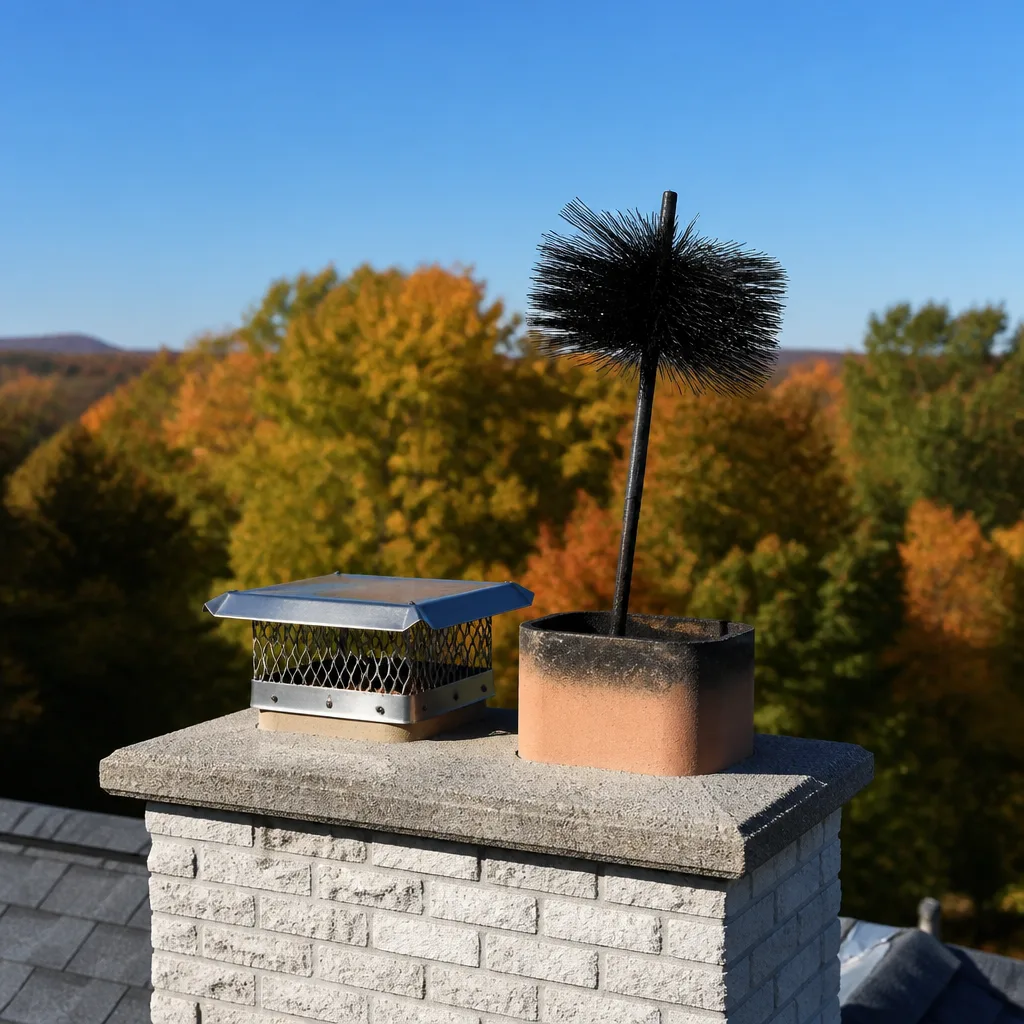 Sweep & inspection
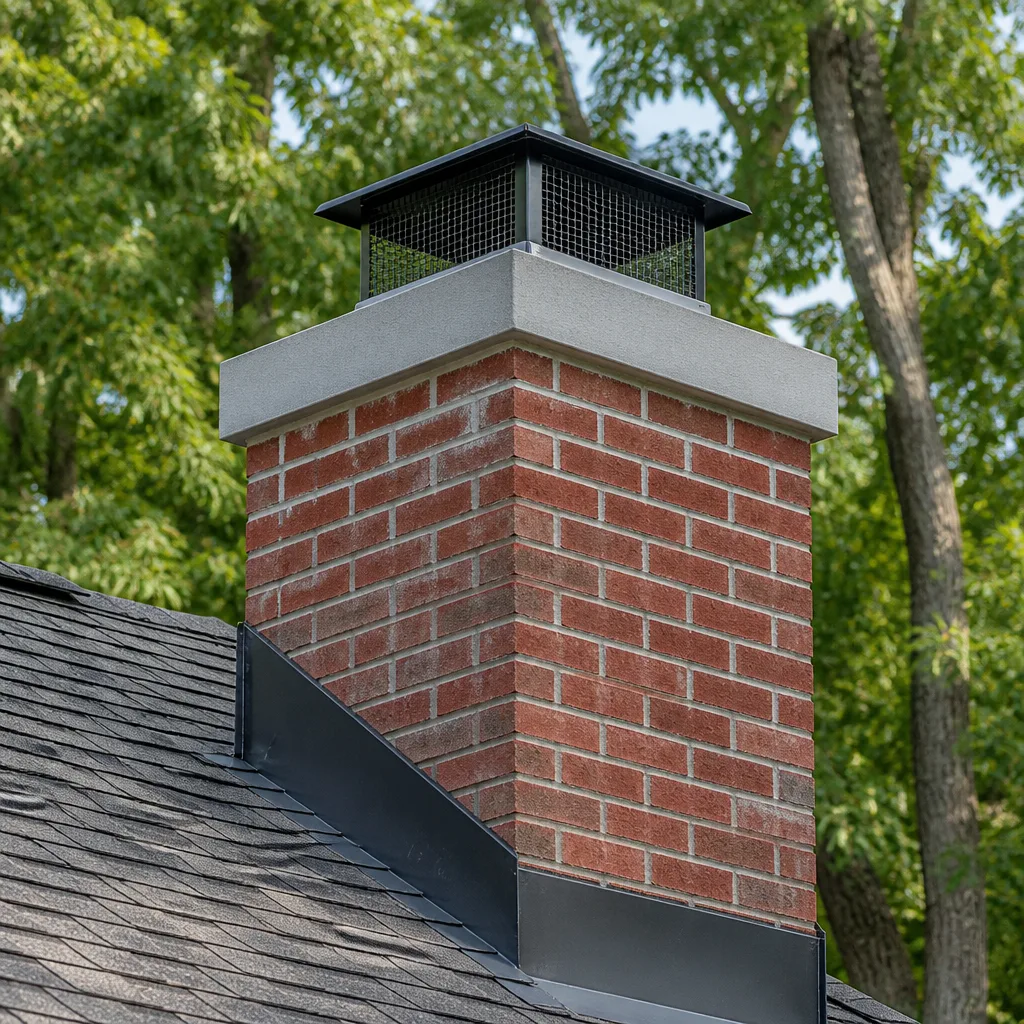 Caps & crowns
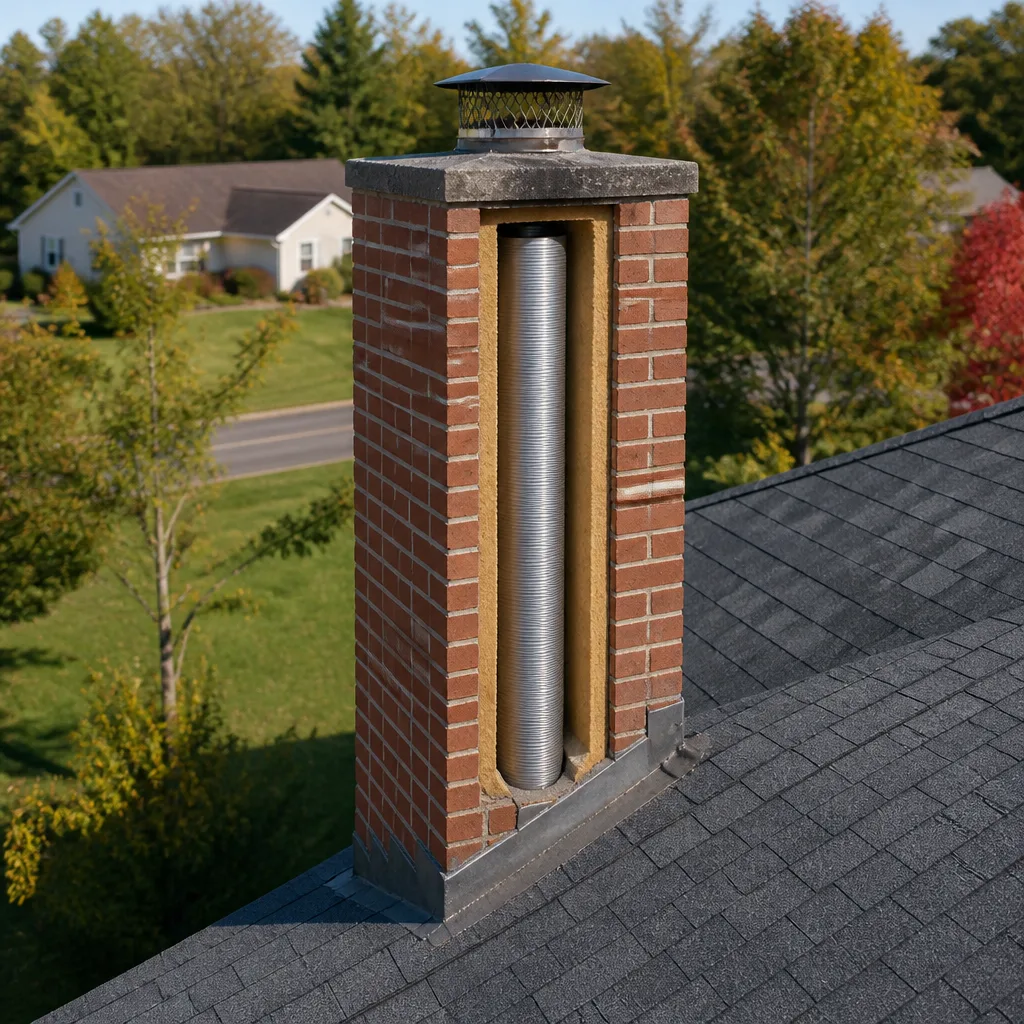 Flue relining
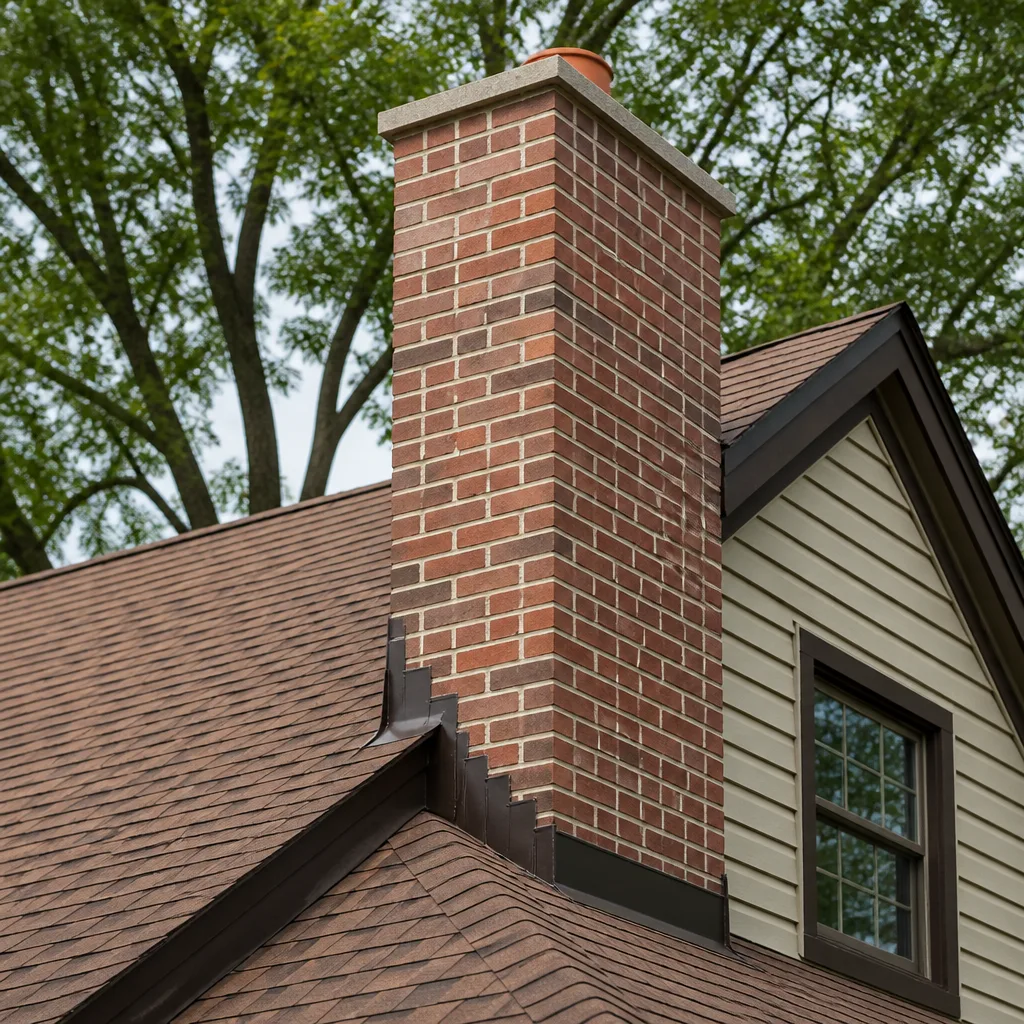 Masonry repair
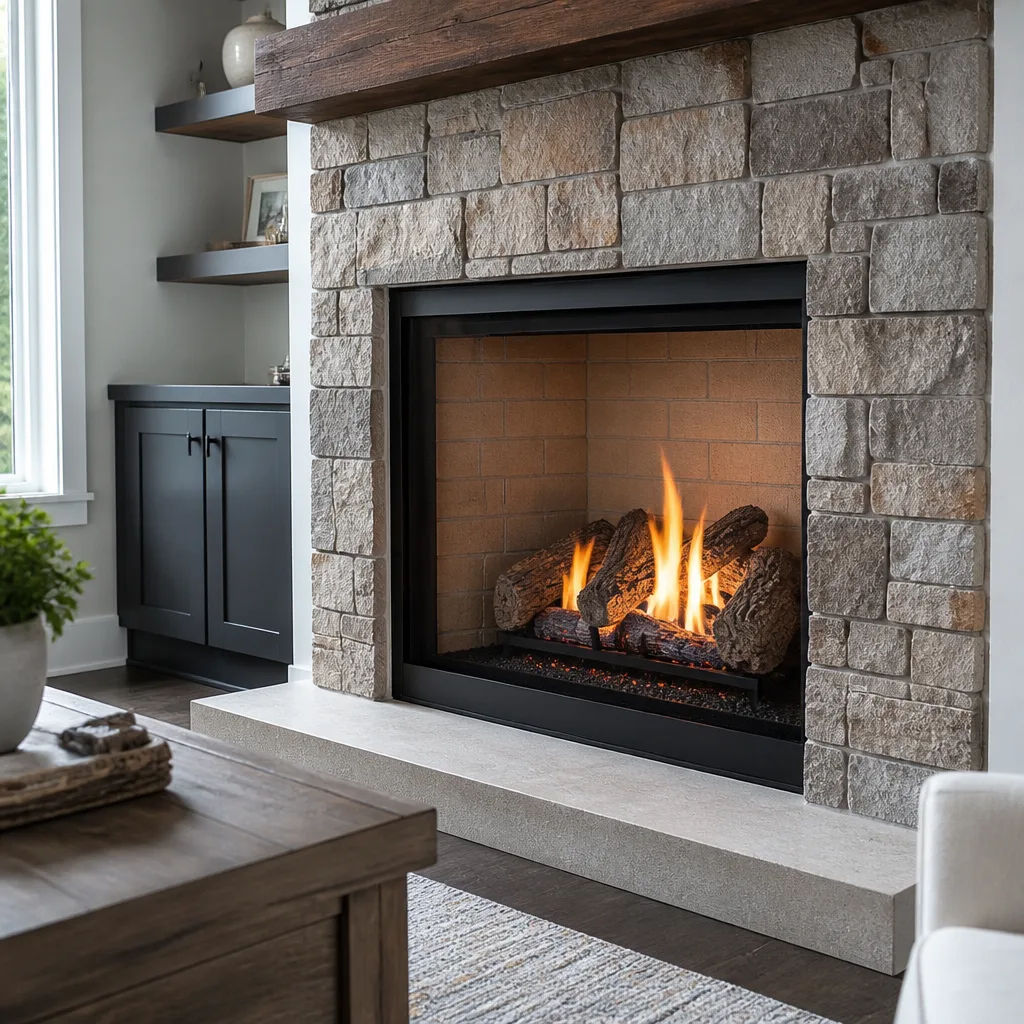 Gas fireplace service
Level 1 sweep and inspection to the NFPA 211 annual standard - flue, crown, cap, and flashing checked and photographed
Chimney sweep logs do not sweep chimneys. They loosen some creosote - which then falls where a brush and vacuum still have to collect it.
Chimney Cleaning Cost Breakdown: The Concord Homeowner’s Reference for 2026
A $99 chimney sweep isn’t a bargain. In most cases it’s the price of getting a foot in your door, and the real estimate arrives once someone is standing on your roof with a flashlight and a list of things they say you need. Homeowners in Concord call us after those visits all the time, holding a quote for liner work they can’t verify and can’t evaluate. This guide fixes that. We’ll break down what a complete sweep actually includes in the Concord market, what add-ons legitimately cost more and why, how repair pricing separates from cleaning pricing, and how to tell fair numbers from padding. By the end you’ll know what your chimney service should cost before anyone climbs up.
Quick Answer
A standard chimney sweep in Concord typically runs $150 to $350 depending on chimney height, flue configuration and creosote stage. A Level 2 inspection with camera usually adds $100 to $250, and common repairs like crown or flashing work fall between $250 and $900. Liner replacement is the big variable: HeatShield restoration often lands $800 to $1,800 while a full flexible stainless liner runs $2,500 to $5,500 or more. The written estimate sets the final price, and it should always follow a camera inspection you get to see.
Styles & brands we work with
- Sweep & inspection
- Caps & crowns
- Flue relining
- Masonry repair
- Gas fireplace service
Table of Contents
- What does a chimney sweep cost in Concord?
- How much do Level 1, 2 and 3 inspections cost?
- How creosote stage changes the price
- Chimney repair cost ranges in Concord
- Liner relining: flex stainless, rigid and HeatShield
- What legitimately drives price variation
- Complete annual service versus à la carte pricing
- Name-brand systems versus generic materials
- Common mistakes to avoid
- Frequently asked questions
What Does a Chimney Sweep Cost in Concord?
A standard chimney sweep in Concord typically costs $150 to $350. That range covers a wood-burning fireplace with a straightforward vertical flue, normal access to the roof, and a moderate buildup of creosote. The final number depends on how much time the job actually takes, and chimney height is the single biggest factor in that math.
Here’s how a complete sweep breaks down by line item, using typical 2026 estimates for this market:
- Standard sweep, single-story chimney: $150 to $220
- Standard sweep, two-story or tall chimney: $220 to $350
- Wood stove or insert (baffle removal, tighter clearances): add $40 to $100
- Gas fireplace or gas appliance service: $120 to $250
- Creosote stage 3 removal (glazed, requires rotary tools): $350 to $700
- Heavy soot and ash cleanup with drop cloths throughout the room: included in a proper sweep, not an add-on
A sweep done correctly means the firebox, smoke chamber, damper, flue and cap all get addressed, plus a visual check of accessible components. If a company quotes you a base price and then charges separately for “the flue above the smoke shelf” or “the cap check,” that’s not a sweep. It’s a deposit on the real invoice. A complete sweep includes a visual inspection of accessible components as part of the same visit; that’s standard practice, not an upsell.
Concord sits in a part of North Carolina with enough cold-season burning that most fireplaces see real use from November through February. That means most homes here need annual service, not a two-year cycle. If your last sweep was more than a year ago, assume you’re starting at the higher end of the range. For a closer look at what a proper visit covers, see our chimney sweep page.
How Much Do Level 1, 2 and 3 Inspections Cost in Concord?
Level 1 inspections typically run $75 to $150 and are usually bundled with a sweep. Level 2 inspections, which include a video camera scan of the flue, run $150 to $300 as a standalone visit. Level 3 inspections are the rare, expensive one: they involve opening walls or removing parts of the chimney structure and can run $500 to $2,000 or more depending on what has to be accessed.
The three levels follow a standard framework the chimney trade uses, and understanding them removes most of the confusion around inspection pricing:
- Level 1: A visual check of readily accessible parts of the chimney and connected appliance. This is what accompanies a routine annual sweep. It doesn’t cover hidden flue surfaces.
- Level 2: Everything in Level 1 plus a camera scan of the entire flue interior, the smoke chamber and the attic and crawl space areas where the chimney passes through. This is the inspection you want before buying a home, after a chimney fire, after a major repair, or when changing fuel type or appliance.
- Level 3: Everything in Level 2 plus dismantling or opening construction to access concealed areas. This is reserved for confirmed or strongly suspected hidden problems.
The camera inspection is where most pricing arguments start. Some companies charge for it separately, others fold it into a Level 2 package. What matters isn’t the label so much as the evidence: you should see the video along with a photo report before anyone recommends liner work. In our experience, most of the “you need a liner” calls we hear from Concord homeowners trace back to a visit where the camera footage was never shown to them. That’s a process problem, and it’s why we don’t recommend repair work without footage you can watch yourself. For more on what the full inspection covers, see our Concord service overview.
How Creosote Stage Changes the Price of a Sweep
Creosote accumulates in three recognizable stages, and each stage costs more to remove because each requires different tools and more time. Stage 1 is soot and light flaky deposits that brush off easily. Stage 2 is a harder, tar-like coating that takes more passes. Stage 3 is glazed, hardened creosote that bonds to the flue wall and requires rotary cleaning equipment or chemical treatment before anything else can happen.
Why this matters for your wallet:
- Stage 1: Standard sweep pricing, usually $150 to $250.
- Stage 2: $200 to $350, depending on how much of the flue is coated.
- Stage 3: $350 to $700, and liners in this condition are usually damaged or at risk, so a camera inspection is essential before pricing anything else.
Concord’s long, humid summers don’t help. Creosote that builds up over one season and sits through a damp summer can harden into something closer to Stage 2 by the time fall arrives, which is one reason we encourage booking a sweep before the season starts rather than in the middle of it. Sweeping a lightly coated flue is quick and inexpensive. Chipping away glazed creosote is neither.
There’s also a safety reason the stage matters, not just a cost reason. Glazed creosote is the fuel behind most chimney fires, and a chimney that has already had a fire often has cracked or warped liner tiles that won’t show up in a visual check. If your flue has been cleaned after heavy buildup, ask for a camera inspection at the same time. The cost of the inspection is a fraction of what you’ll spend if a damaged liner goes unnoticed.
Chimney Repair Cost Ranges in Concord
Repair pricing is where the real confusion lives, because cleaning and repair are two different services with two different cost structures. Here’s a working range for the most common repairs in this market, based on typical 2026 estimates:
- Crown repair (crack sealing and resurfacing): $250 to $700
- Crown rebuild (larger sections): $700 to $1,500
- Flashing repair: $300 to $800, higher if the chimney needs counter-flashing set into masonry
- Chimney cap replacement: $200 to $600 depending on size and material
- Damper repair or replacement: $300 to $700
- Spalling brick repair and repointing: $500 to $2,000 depending on how much of the chimney face is affected
- Smoke chamber parging or resurfacing: $600 to $1,500
Notice that none of these appear on a sweep invoice. If a company quotes you $150 for a sweep and then hands you a $4,000 repair estimate before the camera has even been run, ask why. Repairs should follow evidence, not precede it. Our chimney repair work is priced from a written estimate after the inspection, and we’ll tell you plainly when a repair can safely wait until next season. Crown cracks that aren’t yet letting water into the masonry can often be sealed without urgency. Flashing that’s already leaking into the ceiling cannot.
Repair scope is also a top-end variable. A flashing repair that involves replacing rusted step flashing and setting new counter-flashing against brick takes more time and materials than sealing a minor gap. Expect the top of the range for anything involving the roof-to-chimney intersection, since that’s where most leaks around a Concord chimney start.
Liner Relining: Flex Stainless, Rigid and HeatShield Compared
Liner replacement ranges from $800 to $1,800 for a HeatShield restoration and $2,500 to $5,500 or more for a full flexible stainless liner, with rigid stainless landing in between depending on configuration. The spread is wide because the material, the flue geometry and the condition of the existing liner all interact.
Here’s how the three main options compare:
- HeatShield (ceramic resurfacing): A ceramic-based product applied to a deteriorated but structurally intact flue liner to restore its integrity. This is liner restoration without full replacement, and it’s usually the least expensive path when the flue qualifies. It only works if the existing liner has enough structure left to hold the resurfaced layer.
- Flexible stainless (DuraFlex): A continuous liner pulled through the existing flue. It’s the right choice for complex or offset flue configurations where rigid sections can’t make the bend. Flexible liners are the standard answer when the original liner is compromised beyond restoration or the flue has an angle change.
- Rigid stainless: Sectional liner components joined together. Strong and long-lasting, but it requires a straight, unobstructed flue. Contractors who only stock rigid systems will turn away an offset flue rather than solve it.
The offset flue is the classic reason a Concord homeowner gets told they need a bigger job than they do. A chimney with a bend in it isn’t a problem for a flexible liner. It’s a problem for a contractor who only works with rigid pipe. Because we work with DuraFlex flexible systems, we can take on the configurations other companies quote out or price as a rebuild. HeatShield availability matters for the same reason: without it, a homeowner with a moderately deteriorated liner is pushed straight to full replacement when restoration would have done the job.
If you’ve been quoted a liner replacement, ask two questions: what does the camera show, and could HeatShield work here? If both answers come back vague, get another opinion. It’s the single most expensive line item on any chimney invoice, and it deserves a second look.
What Legitimately Drives Price Variation (And What’s Padding)
Honest price variation comes from a short list of factors. Everything outside that list is worth questioning.
Legitimate cost drivers:
- Chimney height: A two-story chimney takes longer to access and work on than a single-story one. Height affects both time and safety setup.
- Liner type and condition: Clay tile, cast-in-place and metal liners all clean and inspect differently. Damaged liners require camera work and careful handling.
- Access: A chimney on a steep roof, behind a tree, or with no clear working space on top takes more setup, sometimes more labor.
- Creosote stage: Covered above, but it’s the most common reason a sweep costs more than the quoted base.
- Flue configuration: Offsets, bends and undersized flues all change the tooling and the time.
- Appliance type: Wood stoves with baffles, gas inserts and solid-fuel appliances each require different handling.
What’s padding: Standalone charges for a visual inspection that should be part of the sweep. Charges for “checking the cap” as a separate line. A creosote “treatment” fee that appears on every invoice regardless of condition. Bundled pricing that hides a liner replacement inside a “full system service” without a camera finding. And the classic: a low base sweep price followed by a long list of “critical” repairs whose urgency is never explained or evidenced.
The test is simple. Ask what the camera showed and see the footage. Ask why each item is needed now rather than later. A fair quote holds up to both questions. One that doesn’t, isn’t fair.
Complete Annual Service Versus À La Carte Pricing
A complete annual service (sweep plus Level 1 inspection with a camera check) typically lands between $200 and $450 in Concord, while buying the same work à la carte often runs $250 to $550 or more. The gap isn’t huge, but the real savings are in what you avoid: a standalone inspection found later, an emergency repair found too late, and the higher cost of cleaning a flue that’s sat another season.
When bundling saves money:
- Sweep plus inspection together: almost always less than either booked separately, because the setup and access work is shared.
- Annual service in the off-season: pricing is generally steadier for homeowners who book before the burning season starts, rather than in the middle of a rush.
- Repair during the same visit as the inspection: a crown or flashing repair scheduled at the same time as the sweep avoids a second access visit.
When à la carte makes sense: if you’ve had a sweep within the last year and just want a camera check, book the inspection alone. If you’re buying a home in Concord, order a Level 2 inspection separately from any sweep, because the inspection needs to be thorough enough to stand alone as due diligence. Our Concord Chimney Cleaning team can quote both arrangements so you can compare the numbers side by side.
One more thing about timing. Concord’s burning season runs roughly November through February, and the weeks just before it starts are the busiest for every chimney company in town. Booking the annual service earlier gives you more room to schedule and far less chance of a surprise. The urgency here is seasonal, not hourly. There’s no reason to pay more for a rush visit when a planned one does the same work.
Name-Brand Systems Versus Generic Materials
Liner and repair materials account for a large share of the cost difference between quotes, and the gap between name-brand and generic is exactly where that difference lives. A flexible liner may look similar in a photo, but the alloy, wall thickness and manufacturing standard behind it determine how long it lasts and what happens when something goes wrong.
We work with recognized professional product lines: DuraFlex flexible liner systems, HeatShield ceramic resurfacing, and Gelco caps and covers, among others. What that buys you in practical terms:
- Predictable performance: a liner system rated for the appliance and fuel type it’s actually installed behind, rather than a general-purpose substitute.
- Documented product identity: you know what went into your chimney, and so does the manufacturer, which matters if a warranty claim ever comes up.
- Repair options that match the flue: HeatShield restoration instead of full replacement when the liner qualifies, and a flexible liner instead of a refused job when the flue has an offset.
- Component compatibility: caps, venting and hardware that fit the system they’re installed with, rather than a mixed bag from an unnamed supplier.
The cost difference between name-brand and generic is real, usually a few hundred dollars on a liner job. But the comparison isn’t just materials: it’s whether the system is rated for your chimney, installed to the manufacturer’s specification, and traceable. Generic materials strip out all three. When a quote comes in dramatically below the ranges in this guide, ask what product line is being installed and why. If the answer is “a good one” or “our standard,” that’s the padding, hiding in the materials.
For homeowner-friendly reading on the broader picture, see our chimney repair service page, which walks through the repair side of this same cost picture.
Common Mistakes to Avoid
- Choosing by price alone. A $99 sweep is usually a lead-in price, and the real cost arrives after the technician has already found “problems.” Compare what’s included, not the headline number.
- Booking a sweep without an inspection. A sweep without a camera-level inspection tells you the flue is cleaner, not that it’s safe. Concord homes with wood fireplaces need both, and a proper company does them together.
- Approving liner work without seeing the footage. If you can’t watch the camera scan, you can’t verify the recommendation. Ask for the video and a photo report before signing anything.
- Skipping the annual sweep after a mild winter. Low use doesn’t mean low buildup, and the creosote that sat through a Concord summer has had months to harden. Stage 2 buildup next season costs more to remove.
- Ignoring crown and flashing problems until they leak. A cracked crown or a loose flashing boot lets water into the masonry, and water damage to a chimney costs more to fix than the original repair. Get it looked at during the sweep, not after the ceiling stains appear.
- Accepting a quote that doesn’t separate cleaning from repair. A sweep and a repair are two different scopes. Mixing them in one number makes it impossible to know what you’re actually paying for.
- Assuming an offset flue means a rebuild. An angled or offset chimney is a liner problem, not a structural one, and a flexible DuraFlex liner can usually handle it. Get a second opinion before approving a rebuild.
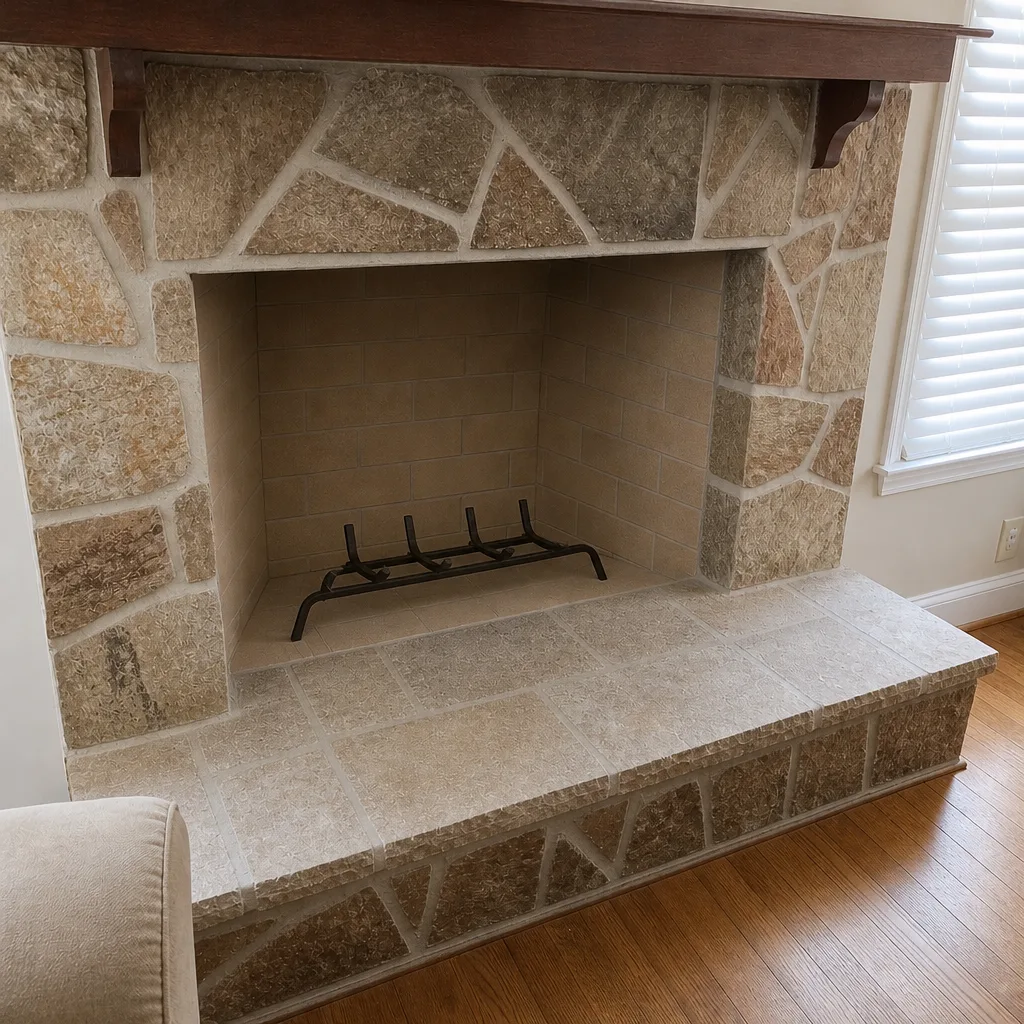
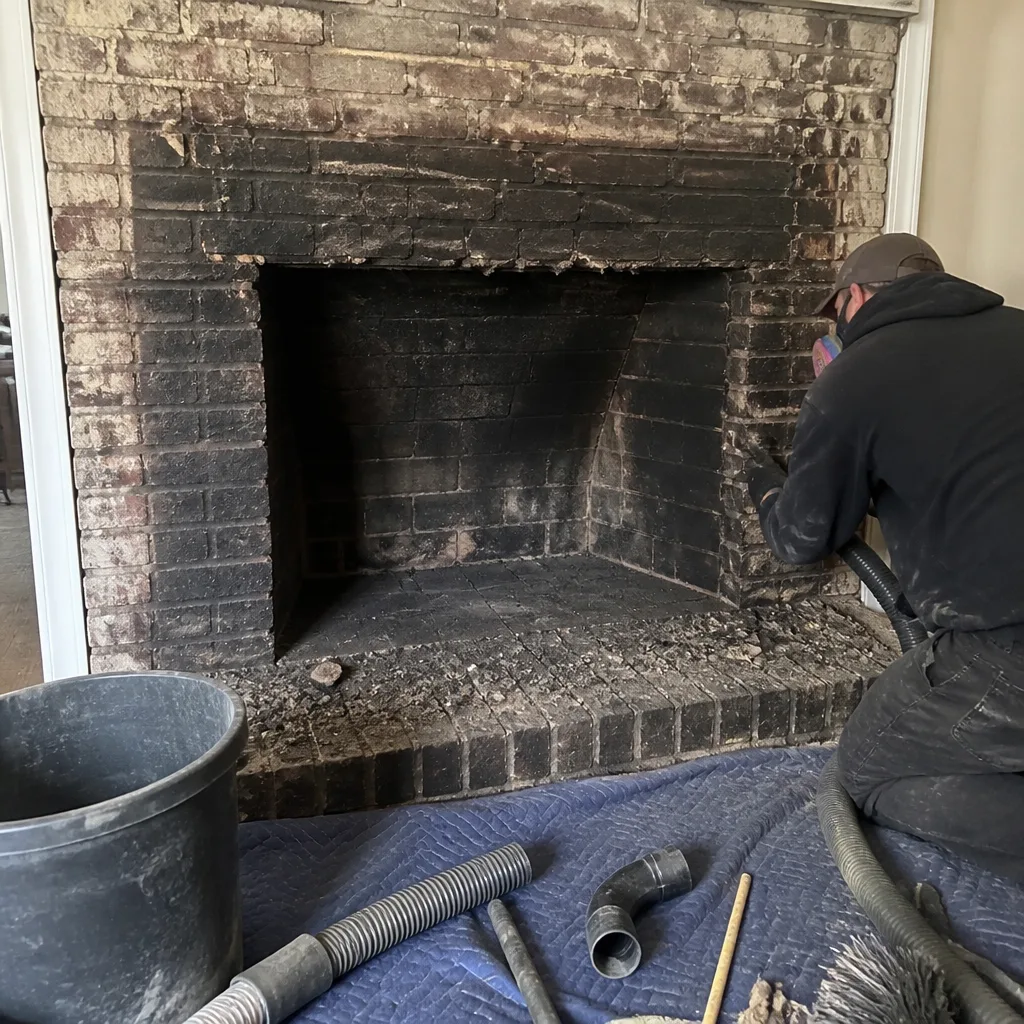
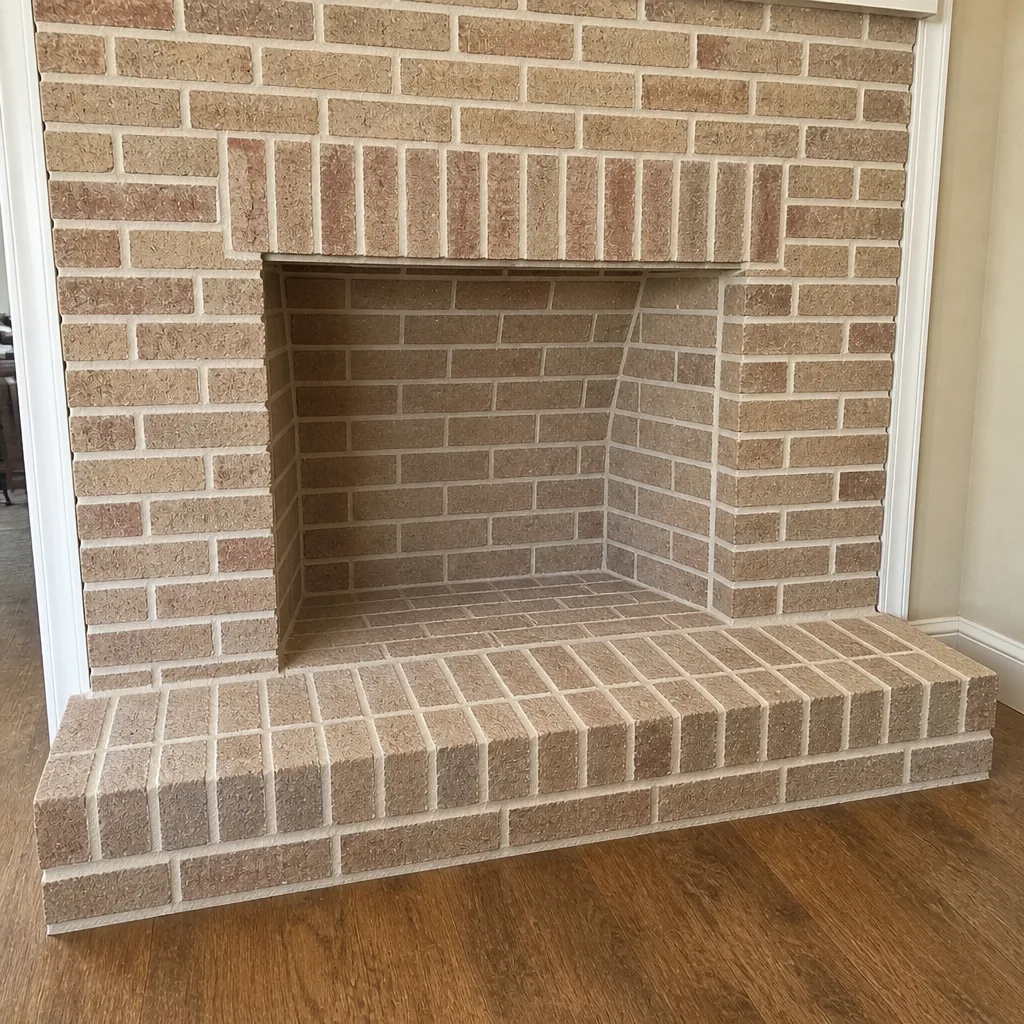
See the difference
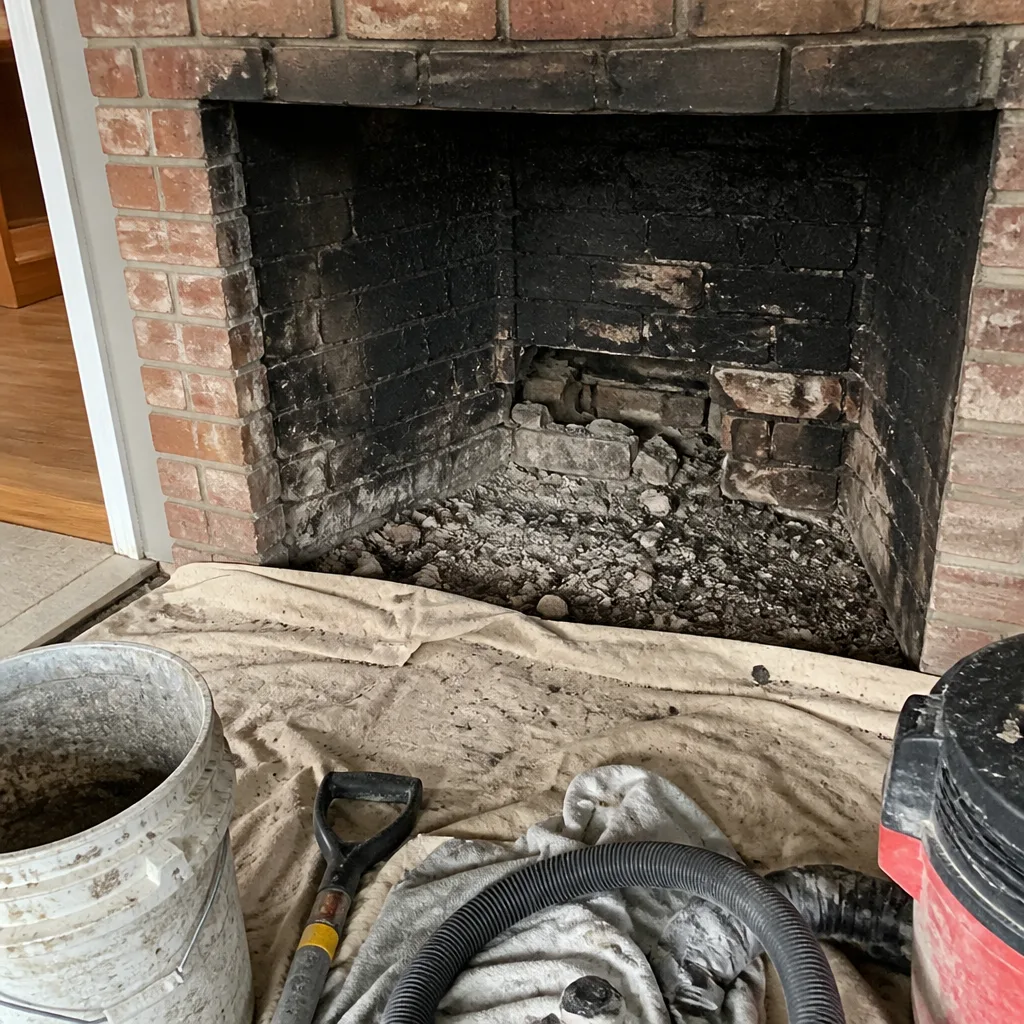 Before
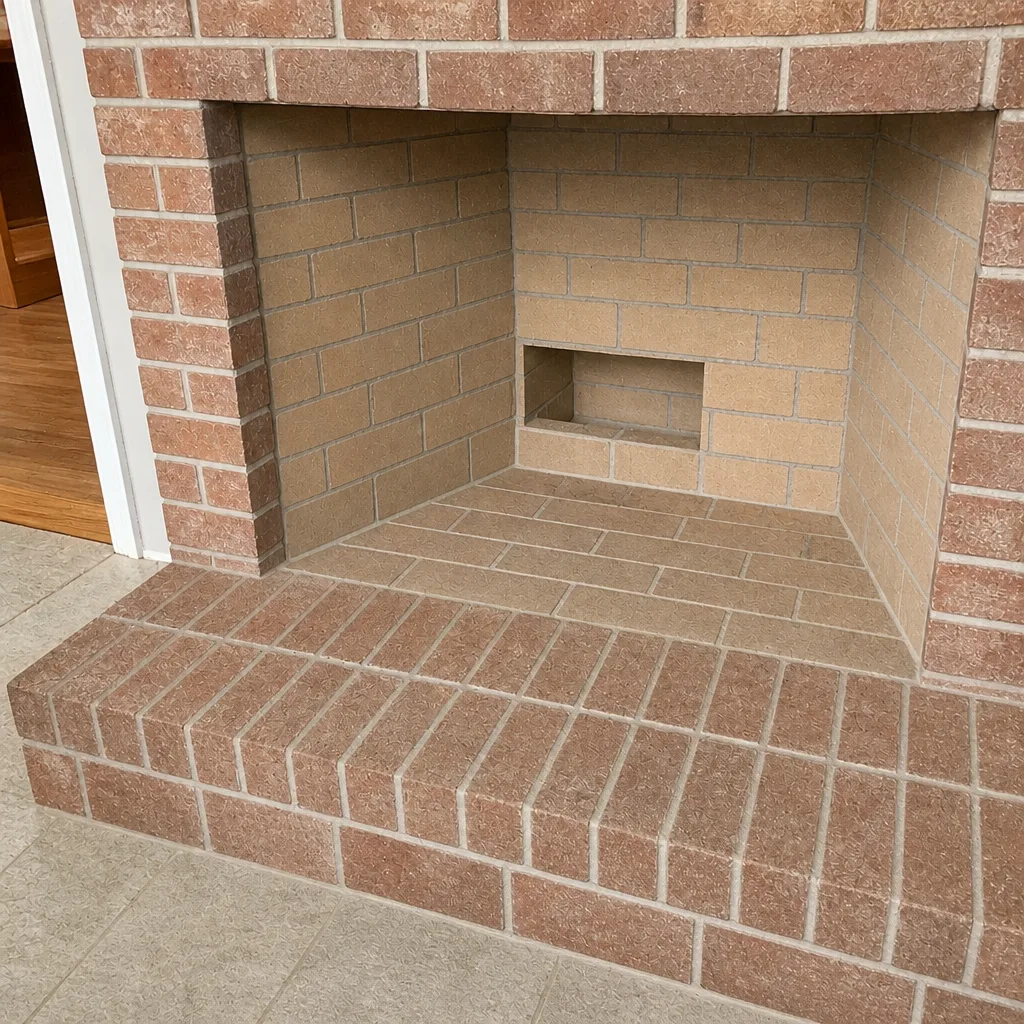 After
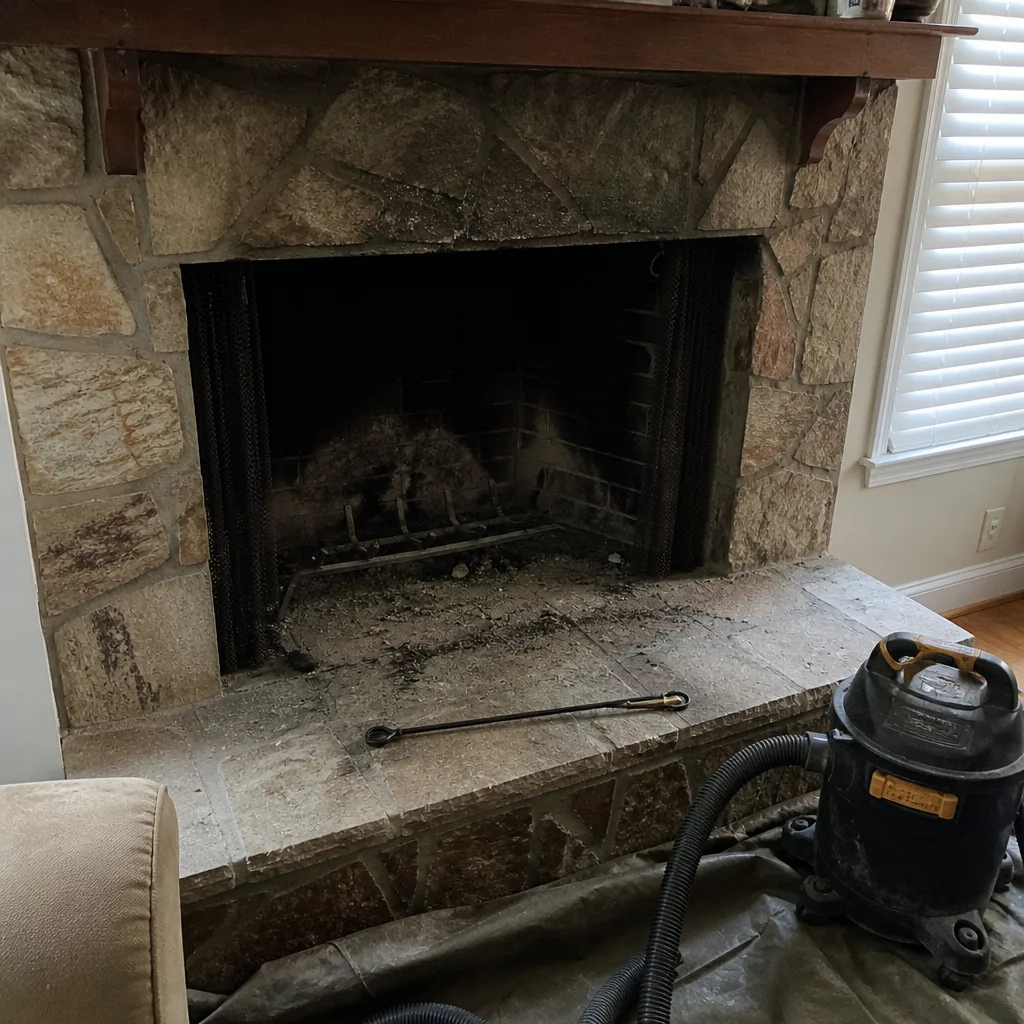 Before
 After
 Before
 After
When to Call a Professional
Call a professional if you have a wood-burning fireplace and it’s been more than a year since the last sweep, if you notice a strong creosote smell in the house, if smoke backs into the room when you light a fire, or if you’ve had a chimney fire (even a small one). Call if you see cracked or missing mortar on the chimney crown or flashing, if a camera inspection has never been done on your home, or if you’re buying a house in Concord and need a Level 2 inspection before closing. And call if you have a quote from another company and something about it doesn’t add up. Concord Chimney Cleaning offers free estimates in Concord: call (866) 665-4951. We answer 24/7. Fast dispatch from 7am to 7pm, Sunday through Friday.
Frequently Asked Questions
A standard chimney sweep in Concord typically costs $150 to $350, with the lower end for a single-story chimney in moderate condition and the higher end for two-story or glazed-creosote cases. The estimate is free and the written estimate sets the final price. Call (866) 665-4951 for an exact quote.
Not always, and that’s the point of getting a camera inspection first. HeatShield ceramic resurfacing can often restore a deteriorated liner without full replacement, at roughly $800 to $1,800 versus $2,500 to $5,500 or more for a full flexible liner. Ask to see the camera footage before you decide. Call (866) 665-4951 if you’d like an independent look.
Once a year for most wood-burning fireplaces, and sooner if you burn heavily or notice heavy creosote buildup. Gas appliances still need annual inspection even though they produce far less soot. If you’ve skipped a year or two, book a sweep and camera inspection together. Call (866) 665-4951 to schedule.
Creosote continues to build and, at the glazed Stage 3, becomes the fuel for a chimney fire. It also hardens, which means the next cleaning costs more and the flue has had more time to sustain damage. Annual service is the cheaper path in almost every case. Call (866) 665-4951 to book yours.
Because they’re different services with different scopes: cleaning removes buildup, repair restores or replaces damaged components. A repair quote should always be backed by camera footage and a written estimate, and a fair company will tell you when a repair can safely wait. Call (866) 665-4951 for an estimate you can verify.
It’s a different solution for a different condition. HeatShield is used when the existing liner has enough structure left to resurface; a flexible stainless liner is used when it doesn’t. The right choice depends on what the camera shows, and the cost difference is significant. Call (866) 665-4951 to find out which one your flue actually needs.
The Bottom Line
The honest version of chimney cleaning pricing in Concord is a range, not a single number. A standard sweep runs $150 to $350, a Level 2 inspection with camera adds $100 to $250, common repairs land between $250 and $900, and liner work is the big variable: HeatShield restoration at $800 to $1,800 or a full flexible liner at $2,500 to $5,500 or more. What separates a fair quote from a padded one isn’t the total. It’s whether every line item is backed by camera evidence you can watch, whether cleaning and repair are priced separately, and whether the materials going into your chimney are named. That’s the test. Ask for it every time.
If you’re ready for a straight answer on your own chimney, call Concord Chimney Cleaning at (866) 665-4951 for a free estimate. We answer 24/7. Fast dispatch from 7am to 7pm, Sunday through Friday. Our technicians have up to 10 years of experience, and one company handles the sweep, spots the problem, and makes the repair.
Written by the team at Concord Chimney Cleaning.