
Last updated November 15, 2026
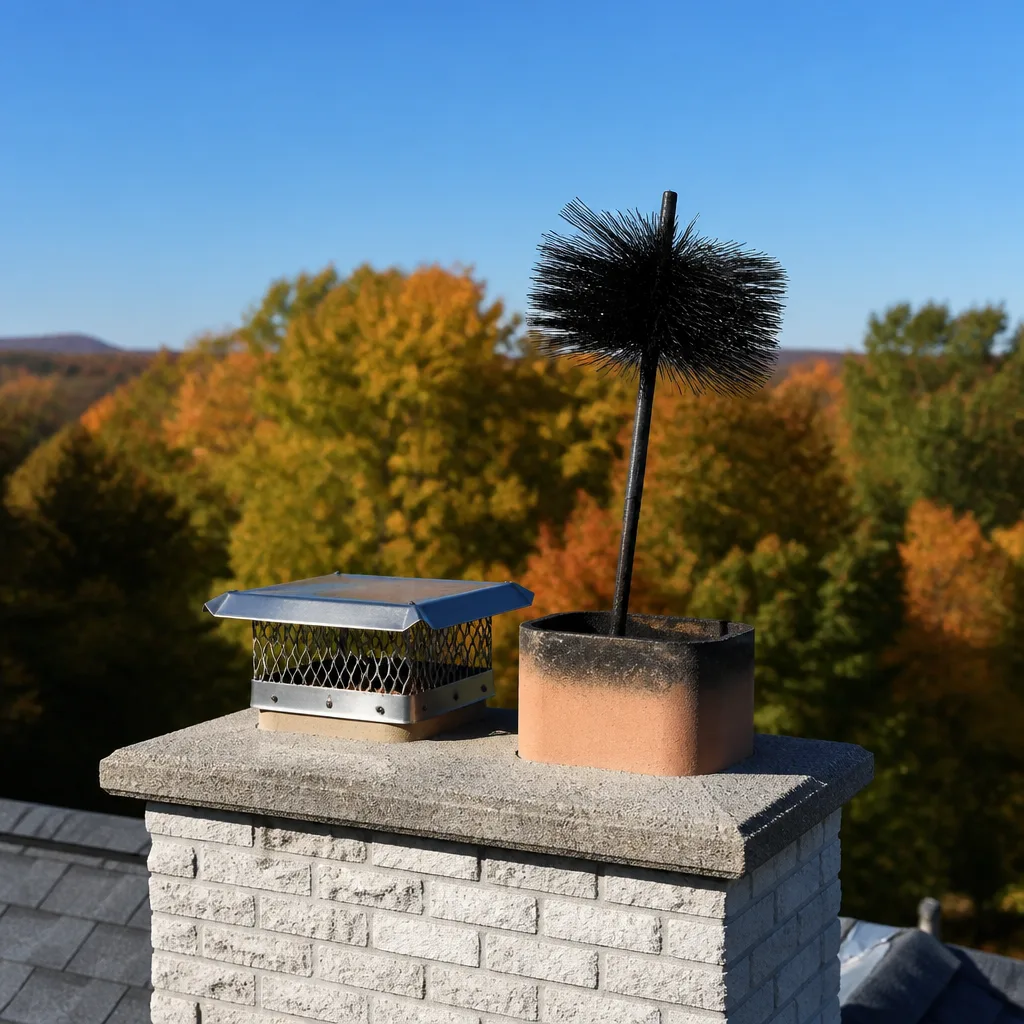 Sweep & inspection
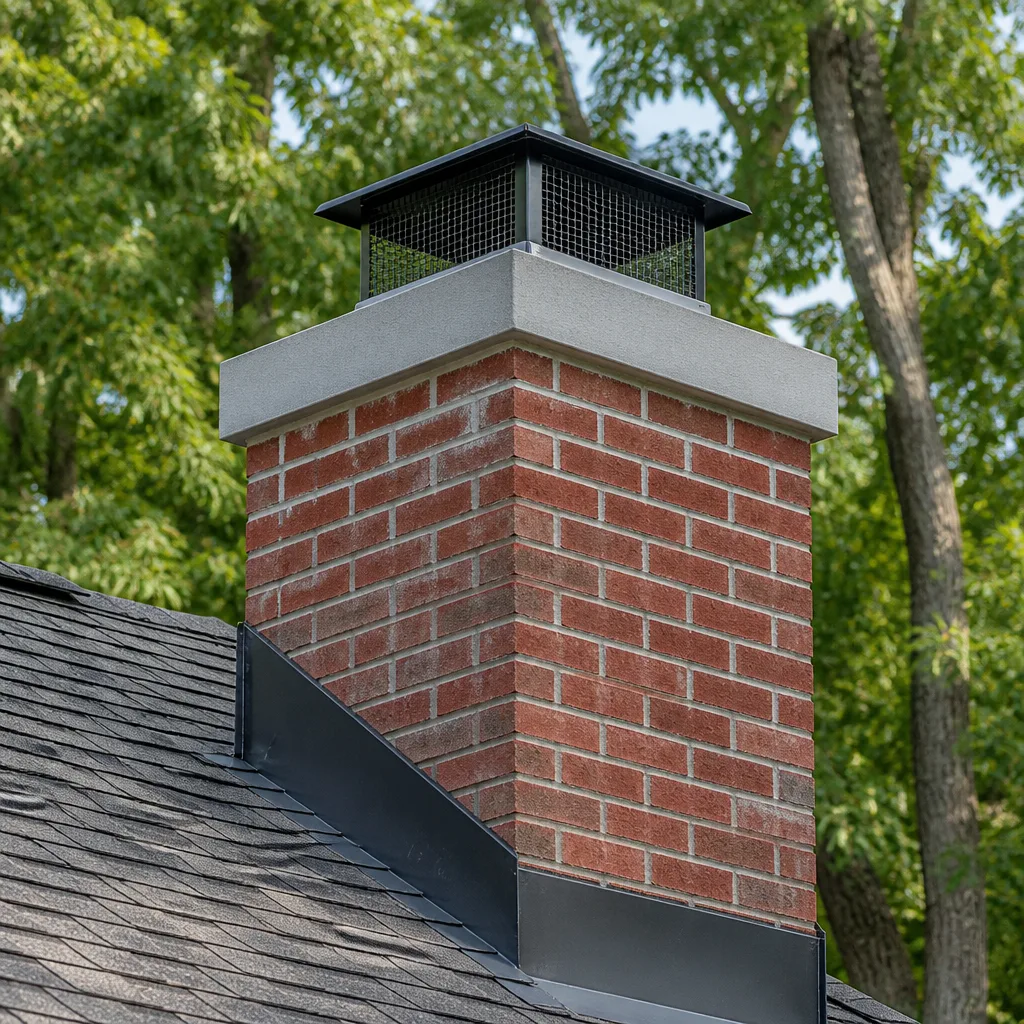 Caps & crowns
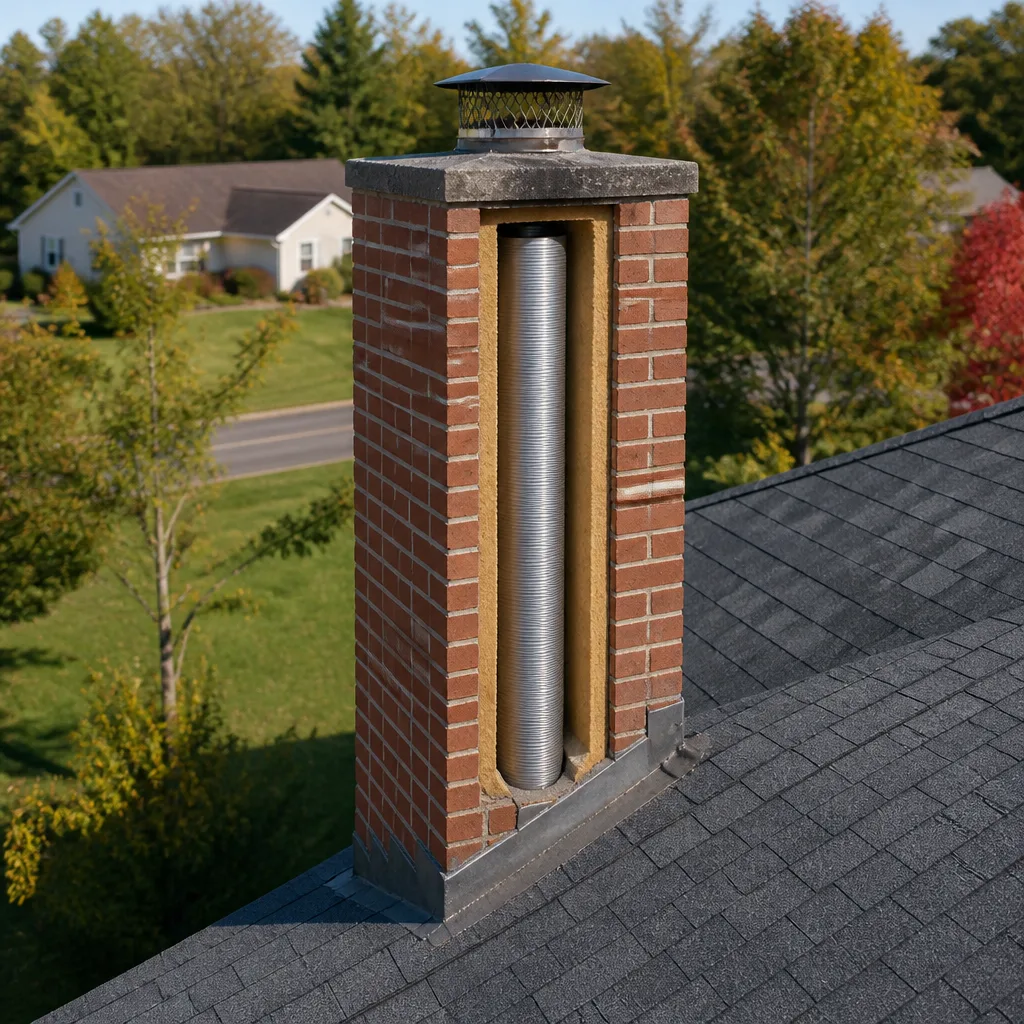 Flue relining
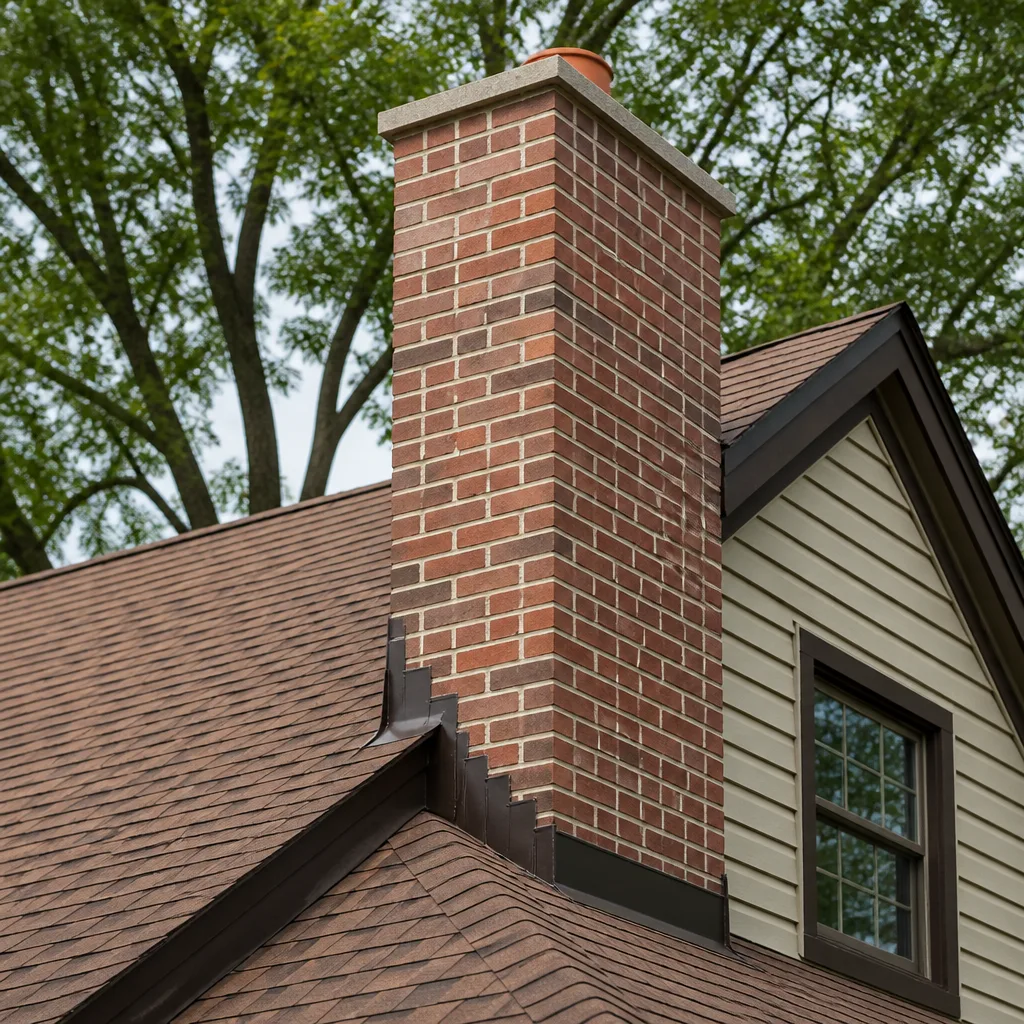 Masonry repair
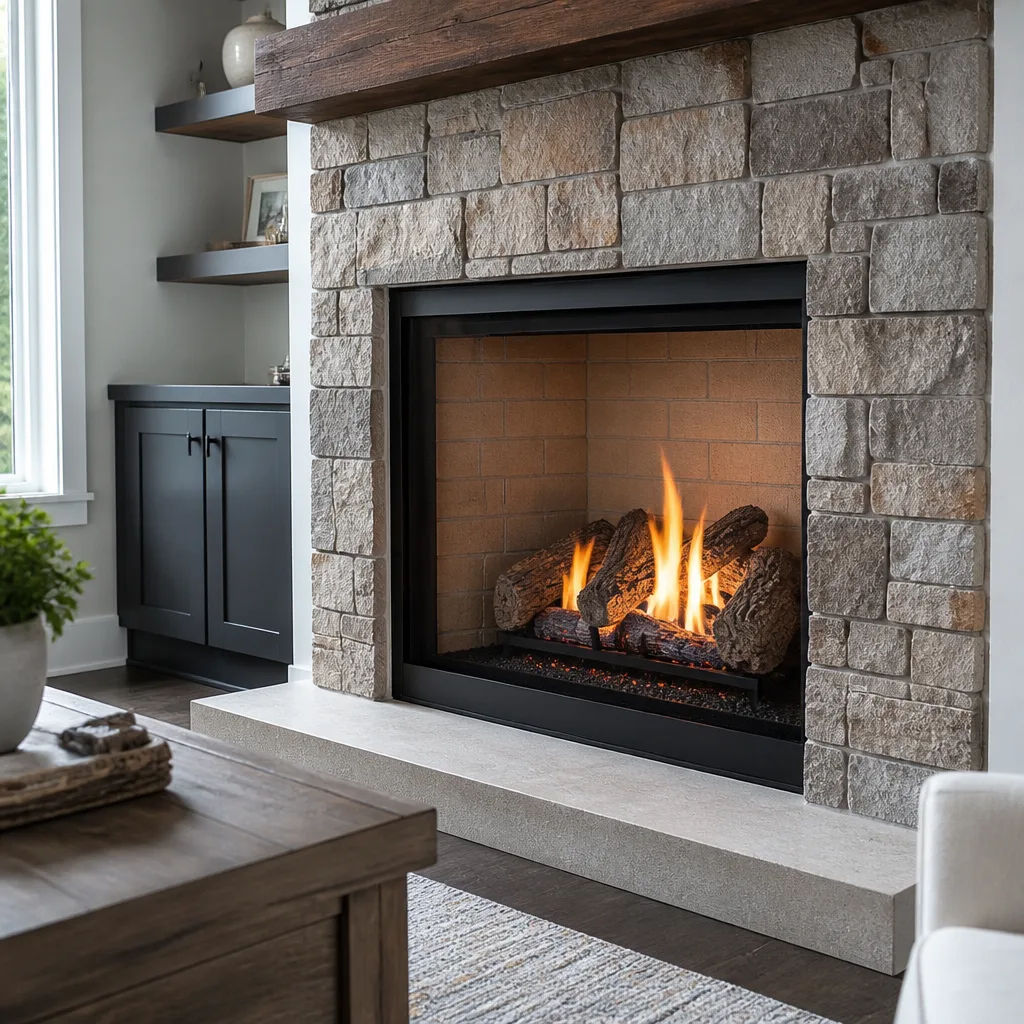 Gas fireplace service
Level 1 sweep and inspection to the NFPA 211 annual standard - flue, crown, cap, and flashing checked and photographed
Chimney sweep logs do not sweep chimneys. They loosen some creosote - which then falls where a brush and vacuum still have to collect it.
DIY vs Professional Chimney Cleaning: The Concord Homeowner’s Decision Guide
You can sweep your own chimney and do it reasonably well. A brush, a rod set, a drop cloth, and a couple of hours on a ladder are within reach of most handy homeowners. Here’s the part that trips people up: sweeping removes creosote, but it tells you nothing about the condition of your flue liner, and the liner is what actually determines whether your fireplace is safe to light. This guide draws a hard line between the chimney tasks you can safely own and the ones where doing it yourself creates real risk. We’ll walk through the correct tools for the jobs you can handle, what professional equipment makes visible that a brush can’t, how a fire in an owner-maintained chimney tends to be treated by insurers, and why a hybrid approach works best for most homes in Concord.
Quick Answer
Sweeping your own chimney is possible if you have the right tools and a straight, accessible flue, but it does not replace an annual professional inspection that assesses liner integrity, creosote thickness, and hidden damage. For most Concord homeowners, the practical split is this: handle light firebox brushing and exterior visual checks yourself, and book a professional sweep plus inspection once a year as a system. The sweep clears the flue; the inspection tells you whether the flue is still safe to use.
Styles & brands we work with
- Sweep & inspection
- Caps & crowns
- Flue relining
- Masonry repair
- Gas fireplace service
Table of Contents
- What a Competent Homeowner Can Safely Handle
- Why DIY Sweeping Creates a False Sense of Safety
- What Professional Equipment Sees That You Can’t
- Insurance and Liability: How Insurers View Owner-Maintained Chimneys in NC
- The Hybrid Approach: A Yearly System That Works
- DIY vs Professional: A Side-by-Side Comparison
- How Concord’s Climate and Housing Shape the Decision
- When DIY Stops and a Professional Starts
What a Competent Homeowner Can Safely Handle
Let’s be honest about what’s realistic. There are chimney chores a careful homeowner can own without much risk, and they’re worth doing because they support the work a professional does later. The line is drawn at anything involving the flue interior above the firebox, the liner, or the roof.
Here’s the scope we’d say is fair game for a homeowner with basic tools and a cautious approach:
- Firebox brushing. A stiff chimney brush sized to your firebox, plus a shop vacuum with a fine filter, clears soot and ash from the firebox walls and floor between burns.
- Ash removal. Scoop cooled ash into a metal container with a lid. Never vacuum warm ash into a household vacuum.
- Damper check. Open and close the damper by hand to confirm it moves freely and seats correctly. A damper stuck partway open wastes heat; one stuck closed is a carbon monoxide hazard.
- Cap inspection from the ground. With binoculars, look at the chimney cap and spark screen for rust, missing screws, or a screen torn by wildlife. Note anything loose and stop there.
- Exterior visual. From the ground, check for cracked mortar joints, spalling brick, a leaning crown, or staining on the chimney’s exterior face. Photograph what you see so you can describe it accurately when you call.
- Seasonal debris clearing. Leaves, twigs, and bird nests on top of the cap or in the firebox are safe to clear when you can reach them without climbing.
What you should not do yourself: climb onto the roof, run a brush down a flue you haven’t inspected, remove or re-set a cap, or reach into the smoke chamber. In Concord, roof pitches on older homes near the downtown historic district often make a roof walk more dangerous than it looks from the ground, and one slip on a damp morning is a serious fall. The tools for the safe list are modest: a chimney brush, flexible rods, a drop cloth, a shop vacuum with a HEPA filter, work gloves, a dust mask, safety glasses, and a flashlight. That’s it. If a task needs more than that, it’s not a homeowner task.
Why DIY Sweeping Creates a False Sense of Safety
The biggest risk with DIY chimney cleaning isn’t a botched job. It’s the confidence that comes after a clean-looking sweep. A homeowner brushes the flue, sees black soot come down, watches the fire draw well, and concludes the chimney is fine. But sweeping and inspection answer two completely different questions, and only one of them is about safety.
Sweeping answers: Is there creosote and soot in the flue?
Inspection answers: Is the flue liner still intact, properly sized, and free of cracks, gaps, or gaps at the joints?
A flue can sweep perfectly clean and still have a cracked liner, a separated joint, or a missing tile section that lets heat and carbon monoxide reach the framing of the house. Creosote is a fuel; a compromised liner is the pathway. When both exist together, that’s the condition that turns a chimney fire into a house fire. A brush cannot tell you whether that condition exists.
There’s a second false-safety trap: the wrong-sized brush. A brush too small for the flue glazes over creosote instead of removing it, leaving a hard, shiny layer that looks clean and burns hot. A brush too large can crack clay tile. Neither outcome is visible from the firebox. In our experience, most homeowners who sweep their own chimney are genuinely careful and still don’t know what their flue looks like on the inside, because a brush doesn’t show them.
The annual inspection is where the real answer lives. It’s also the piece of the job that most low-cost sweep-only companies skip, which is why we built our work around a full scope: the same company that sweeps your chimney also inspects it, and can make the repair. You can read more about how that works on our chimney sweep page.
What Professional Equipment Sees That You Can’t
The single biggest difference between a homeowner sweep and a professional one isn’t the brush. It’s the camera. A professional chimney inspection uses video scanning equipment that runs a camera down the flue and shows the liner, joints, smoke chamber, and any offsets or damage in real time. That’s not a marketing flourish. It’s the difference between guessing and knowing.
Here’s what professional-grade equipment makes visible:
- Liner cracks and gaps. Hairline cracks in clay tile, gaps at the joints between tiles, and missing sections that a brush passes right over.
- Creosote thickness and type. The difference between light soot, medium creosote, and glazed creosote (the hard, tar-like stage that needs a rotary cleaning system, not a hand brush).
- Offset and angled flues. Many Concord homes have a flue that jogs around a heating duct or framing. A rigid brush can’t follow an offset; a flexible liner system and the right rotary tool can.
- Smoke chamber condition. The area above the damper where smoke collects. It’s often the most damaged part of a flue and the hardest to reach without the right equipment.
- Draft and sizing issues. Whether the flue is sized correctly for the appliance. An oversized flue runs cool, which encourages creosote buildup.
When the camera shows a deteriorated liner that doesn’t yet need full replacement, we use HeatShield, a ceramic resurfacing system that restores liner integrity from the inside. That’s a repair option most sweep-only companies simply can’t offer because they don’t carry the product or the certification-level training to apply it. When the flue has a complex offset or a full replacement is the right answer, DuraFlex flexible liner systems let us work with the geometry instead of turning the job away. The point for a homeowner deciding whether to go DIY is this: none of those options exist without a professional assessment in the first place, and the assessment is what tells you whether you have a problem. Our chimney repair page covers the range of repairs and when each one applies.
Insurance and Liability: How Insurers View Owner-Maintained Chimneys in NC
Here’s the question most homeowners don’t ask until it’s too late: if a chimney fire damages your house, will your insurer cover it if you’ve been doing your own chimney maintenance? The honest answer is that it depends on the policy and the circumstances, but the general pattern matters. Homeowners insurance almost always requires reasonable maintenance of the home systems you own, and a chimney is one of them. After a fire, the adjuster’s job is to determine cause and whether the loss was preventable through ordinary maintenance.
In practice, what carries weight after a chimney fire is documentation: records of professional sweeps and inspections, a written report of the flue’s condition over time, and evidence that the chimney was maintained by someone qualified to assess it. A homeowner with a brush and good intentions has no records, no video of the liner condition, and no third party who can speak to what the flue looked like before the fire. That gap can complicate a claim even when the policy would otherwise cover it.
A professional sweep and inspection produces a paper trail. You get the date, the findings, and typically a photo or video record of what was seen. If a liner shows deterioration, you get a written recommendation and a written estimate, which is also the moment you can make an informed decision about a repair before a small problem becomes a claim. In our experience, the value of that documentation shows up not when everything is fine, but on the day something isn’t. If you want a chimney inspection that actually leads somewhere, with repair capability on the same call, that’s the model we work on. It’s what we’d want on our own homes.
One more point on liability that matters for anyone thinking about selling a home in Concord: a pre-listing chimney inspection with a written report is often requested by buyers, and a documented history of maintenance makes that conversation easier. DIY work produces no such record.
The Hybrid Approach: A Yearly System That Works
The most practical answer for most Concord homeowners isn’t DIY or professional. It’s both, assigned to the right tasks. Think of it as a yearly system with homeowner checks between seasons and a professional sweep plus inspection once a year as the anchor.
Here’s how that system looks in practice:
- Before the heating season starts (early fall in Concord), do a homeowner visual check: firebox condition, damper operation, cap and spark screen from the ground, any staining or cracked mortar on the exterior. Write down what you see.
- Book the professional sweep and inspection. Ideally before you burn seriously for the season, so the flue is cleared and you have a current picture of liner condition. The sweep removes creosote; the inspection tells you what shape the flue is in.
- Review the findings together. A good inspection produces a written report with photos. If something needs repair, ask what happens if it waits and what happens if it doesn’t.
- Burn smart during the season. Use seasoned firewood, don’t burn trash or green wood, and keep the damper open long enough for a clean burn. Wood moisture is the single biggest driver of creosote buildup.
- Mid-season homeowner check. Look at the firebox for unusual soot patterns, confirm the damper still moves, and listen for changes in how the fire draws. Note anything odd for the next professional visit.
- End-of-season review. After the last fire, schedule any repair that was recommended before the next heating season. Off-season is when repairs are easiest to accommodate.
That system gives you the cost and control benefits of doing the easy checks yourself, and the visibility and documentation that only a professional inspection provides. It also means you never go into a winter not knowing what your flue looks like on the inside. If you’re in Concord and want to set up the annual piece of that system, our Concord page is a good starting point.
DIY vs Professional: A Side-by-Side Comparison
Cost is usually the reason people consider doing it themselves, so it’s worth being specific about what each approach actually buys you. The table below isn’t a price list for our work; pricing is set per job by a written estimate. It’s a comparison of what each path delivers for the money.
| Factor | DIY Sweep | Professional Sweep + Inspection |
|---|---|---|
| Upfront cost | Cost of brush, rods, shop vacuum, and safety gear (one-time purchase) | Per-job estimate, agreed in writing before the work |
| Removes creosote and soot | Yes, if the brush is the right size for the flue | Yes, using rotary equipment sized to the flue |
| Assesses liner condition | No | Yes, with video scanning |
| Handles offsets and angled flues | No, rigid brushes can’t follow an offset | Yes, with flexible liner equipment |
| Handles glazed creosote | No, requires a rotary system | Yes |
| Written documentation | No | Yes, with photos or video |
| Repair capability on the same visit | No | Yes, including HeatShield and DuraFlex options |
| Insurance documentation | None | Written record of condition and maintenance |
| Risk | Roof fall, missed liner damage, wrong brush size | Low; work done by a trained technician |
The cost conversation gets clearer when you split it: a DIY sweep costs you the tools and an afternoon. A professional visit costs more, but it includes the one thing DIY can’t deliver, which is a verdict on whether your flue is safe. If you’re trying to decide, start with a free estimate on the professional side and compare it against the cost of the tools plus what you’d still need to hire out anyway. Call (866) 665-4951 for an exact quote; estimates are free.
How Concord’s Climate and Housing Shape the Decision
Chimney decisions aren’t the same everywhere, and Concord has a few local characteristics worth understanding before you decide to go it alone.
Our climate is a four-season one with real winters, which means a chimney sits dormant for months, then starts working hard when the first cold snap arrives. That seasonal swing matters for creosote: creosote that built up over one winter sits in the flue through spring, summer, and fall, and the first burn of the new season is when a heavily soiled flue is most likely to light off. The practical takeaway is simple: if you’re going to have the flue checked, do it before burning season starts, not after the first fire.
Housing stock across Concord varies enough to change the answer. Homes in and around the downtown historic district and the older neighborhoods close to it tend to have original or heavily repaired masonry chimneys with clay tile liners, and older masonry is exactly where hairline cracks and deteriorated joints show up. Newer construction on the edges of town more often has prefabricated or metal flue systems, which need a different inspection approach. Neither kind of flue is something a homeowner can assess with a brush. The age and condition of the chimney, not the age of the house, determines whether you can safely handle the work yourself.
There’s also the question of firewood. If you’re burning wood cut and dried locally, your creosote pattern reflects that wood’s moisture. Wet or unseasoned wood is the most common cause of heavy creosote, and a homeowner who burns wet wood and sweeps their own chimney has the worst of both conditions: heavy buildup and no way to assess the liner underneath it. Concord Chimney Cleaning works with professional-grade product lines, including Olympia Chimney caps and Gelco covers, so caps and covers that actually fit and seal are part of the conversation rather than an afterthought. A cap that’s missing or damaged lets rain and wildlife into the flue, which compounds the creosote problem year after year.
If you’ve been told you need a new liner and you’re not sure whether to believe it, that’s a fair hesitation. Nothing should be recommended without camera evidence you can see for yourself, and a good technician will tell you plainly when a repair can safely wait. That’s the standard we hold our own work to, and it’s why we show the camera footage rather than describe it.
When DIY Stops and a Professional Starts
The line between homeowner tasks and professional tasks is easier to hold if you know it in advance. Here’s where we’d say DIY stops:
- Any time the flue hasn’t been inspected in a year or more. A clean-looking sweep tells you nothing about liner condition.
- Any roof access. The risk of a fall outweighs the small savings, especially on pitched or older roofs.
- Glazed or heavy creosote. The hard, shiny creosote stage needs a rotary cleaning system, not a hand brush.
- An offset or angled flue. Rigid brushes can’t follow the geometry and can damage tile if forced.
- Any suspected liner damage. Cracks, gaps, or separated joints are an inspection and repair question, not a cleaning one.
- After a chimney fire or a strong creosote smell. Both warrant a professional inspection before the next fire.
- When you’re selling or buying a home. A written inspection report is the documentation that matters.
Safety matters most where the hazards are invisible. Creosote fires and carbon monoxide are both produced by problems you can’t see from the firebox, and a brush doesn’t change either one. If you’re unsure whether your situation is a DIY task or a professional one, the safest answer is to have it inspected first.
Common Mistakes to Avoid
- Sweeping without inspecting. A clean flue can still have a cracked liner. Skipping the inspection is the single most common DIY error in Concord, and it’s the one with the highest stakes.
- Using the wrong brush size. Too small glazes the creosote; too large cracks the tile. Measure the flue interior before buying a brush.
- Climbing the roof without the right setup. A ladder against a chimney is not a safe roof access plan, particularly on older Concord homes with steep pitches.
- Burning wet or unseasoned wood. This is the leading cause of heavy creosote, and it undermines any sweep, DIY or professional.
- Assuming a strong draft means a healthy chimney. Draft tells you the flue is open, not that the liner is intact.
- Ignoring the cap. A missing or rusted cap lets in rain, birds, and squirrels, which can block the flue and accelerate deterioration. Caps are a small repair that prevents larger ones.
- Doing it once and calling it done. Chimney maintenance is annual, not one-and-done. The condition of a flue changes season to season.
- Taking a vague repair quote at face value. If a technician says you need a new liner, ask to see the camera footage and a written estimate. A professional will show you.
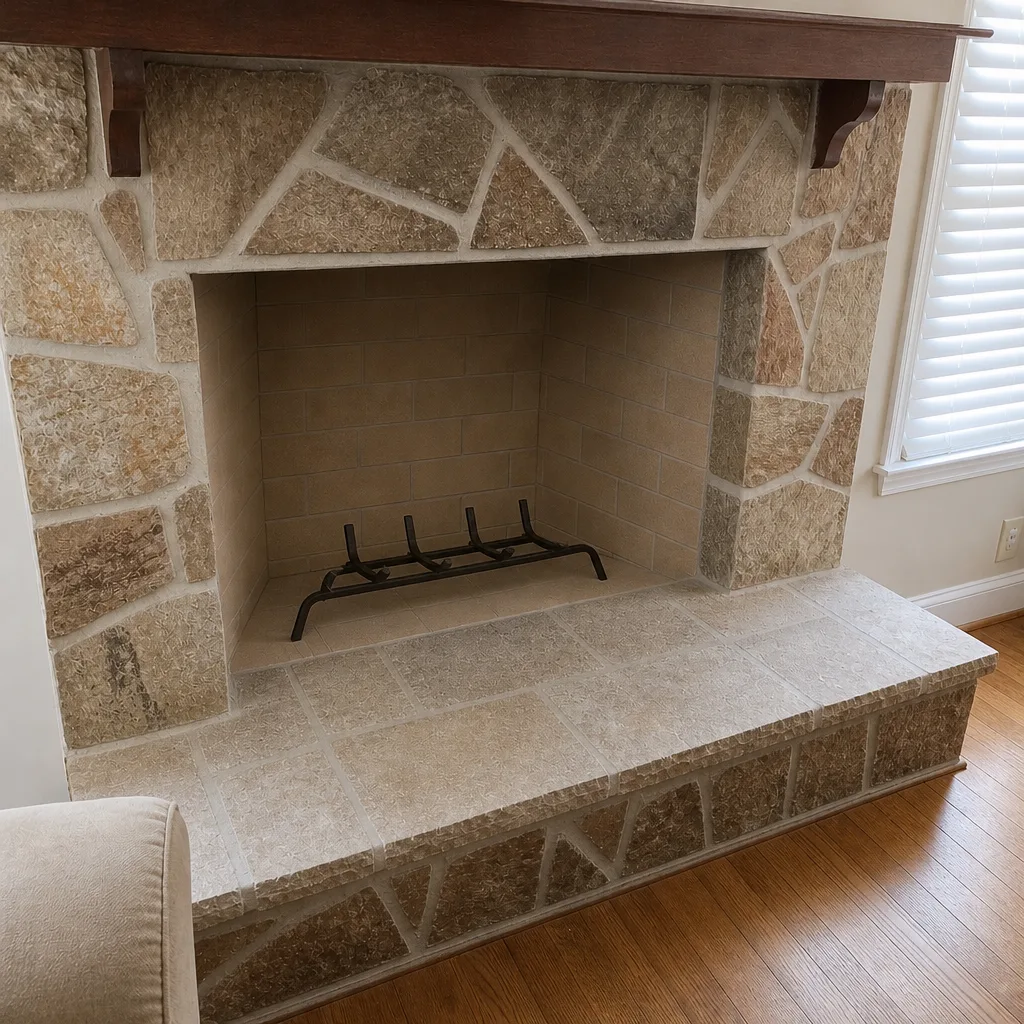
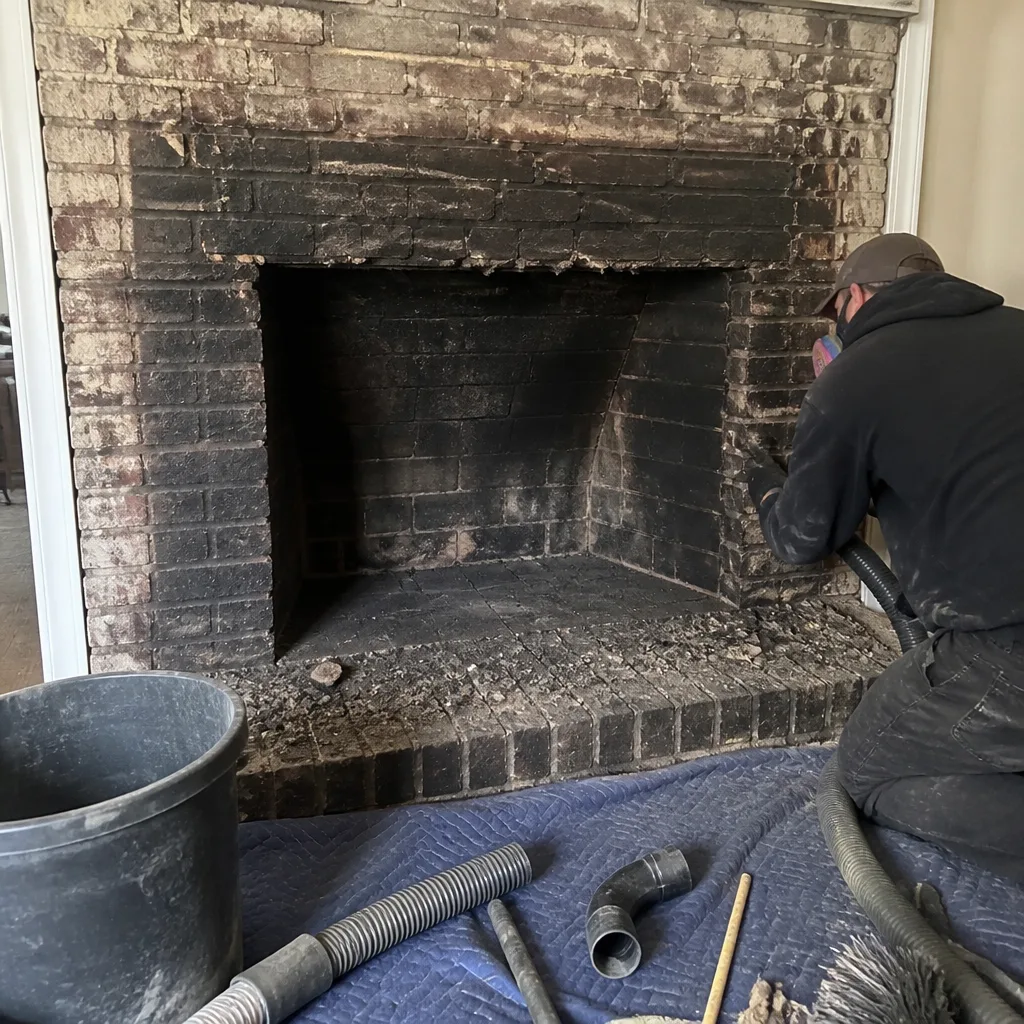
See the difference
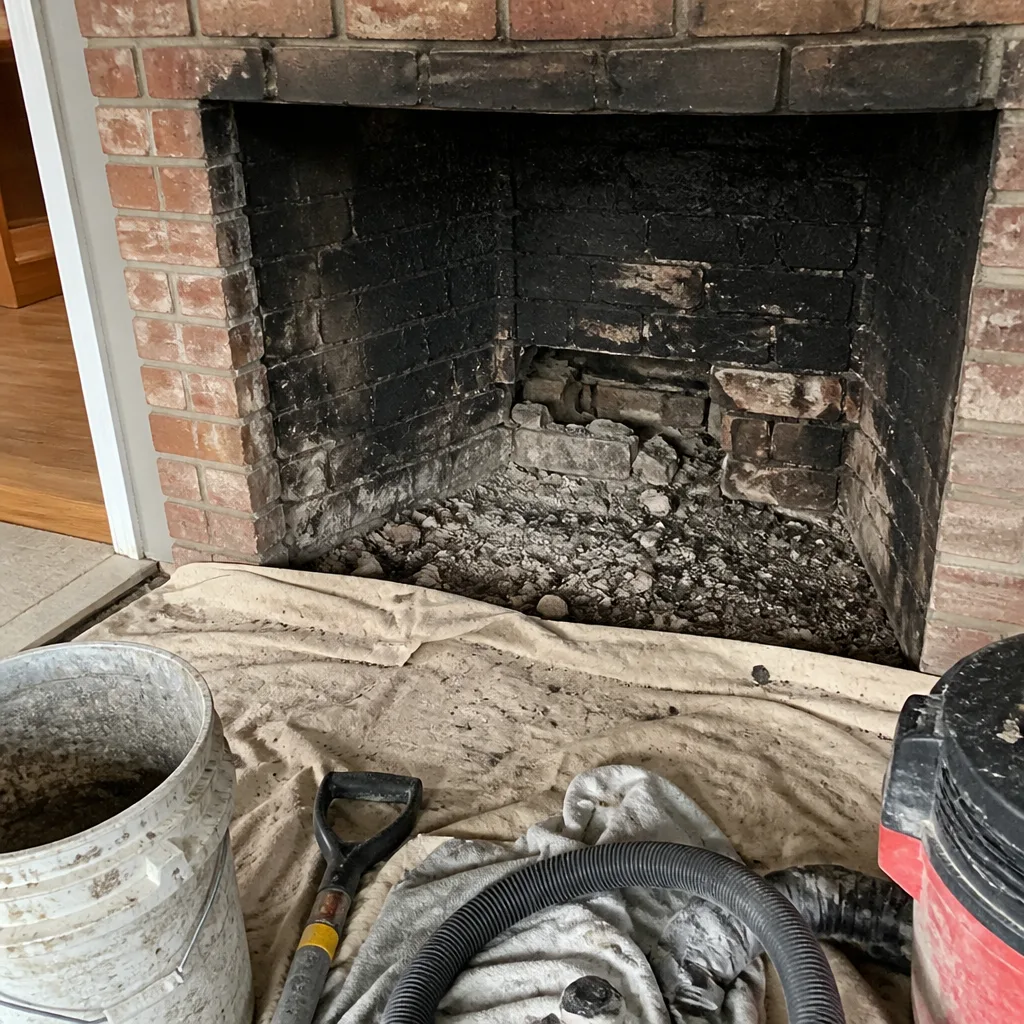 Before
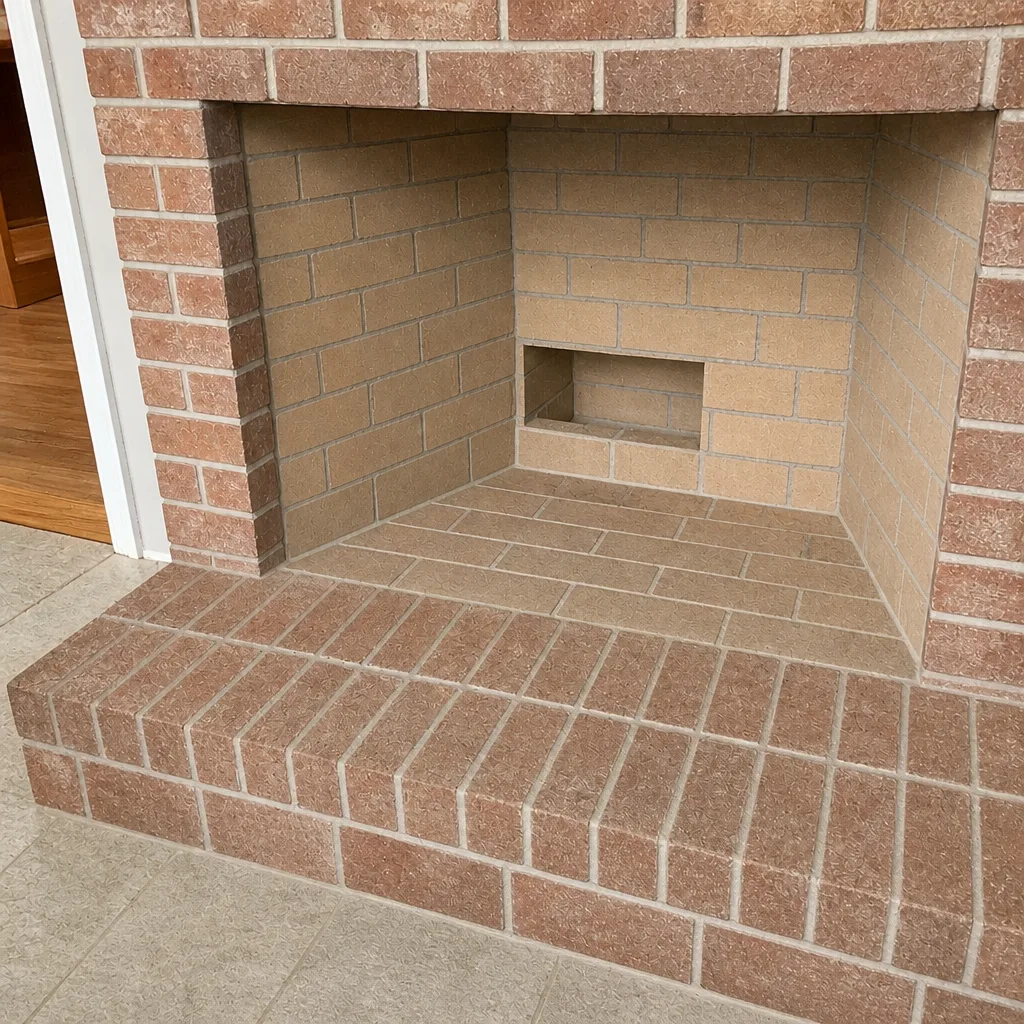 After
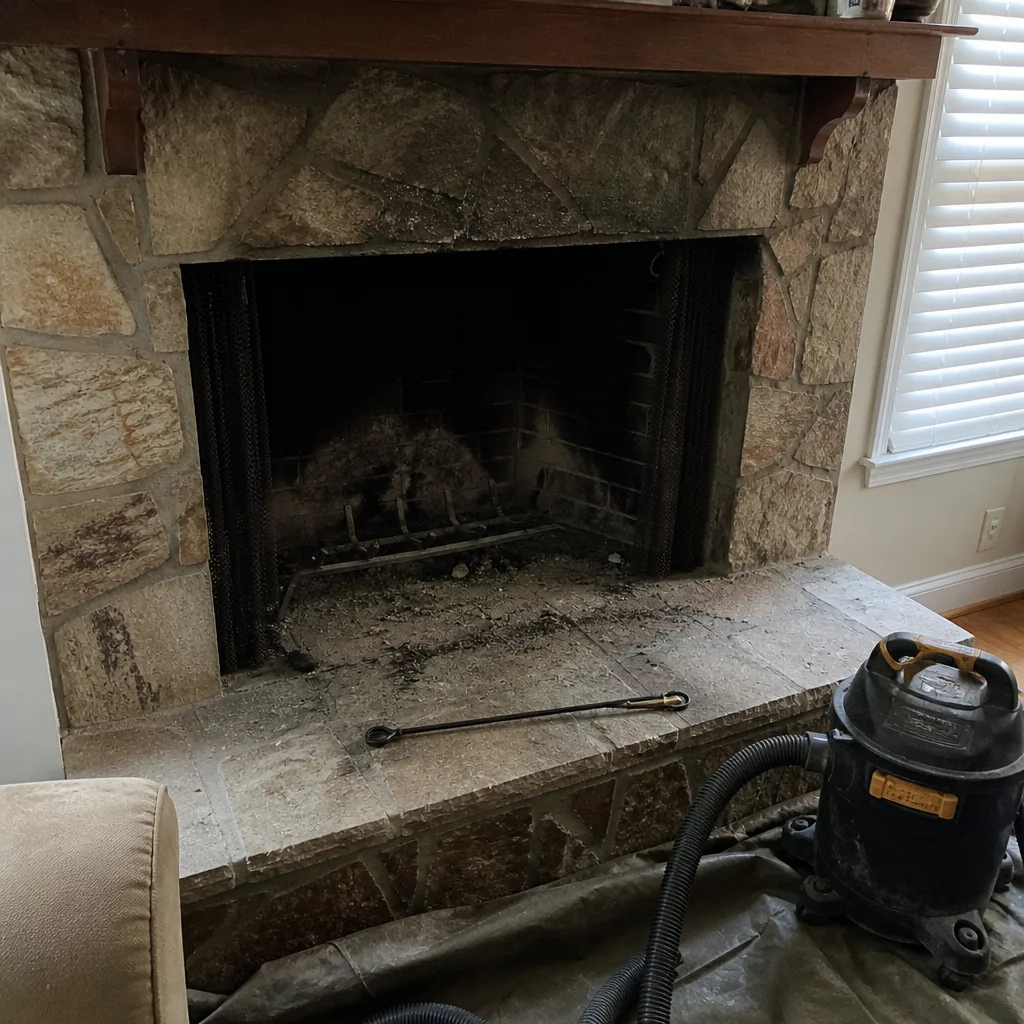 Before
 After
 Before
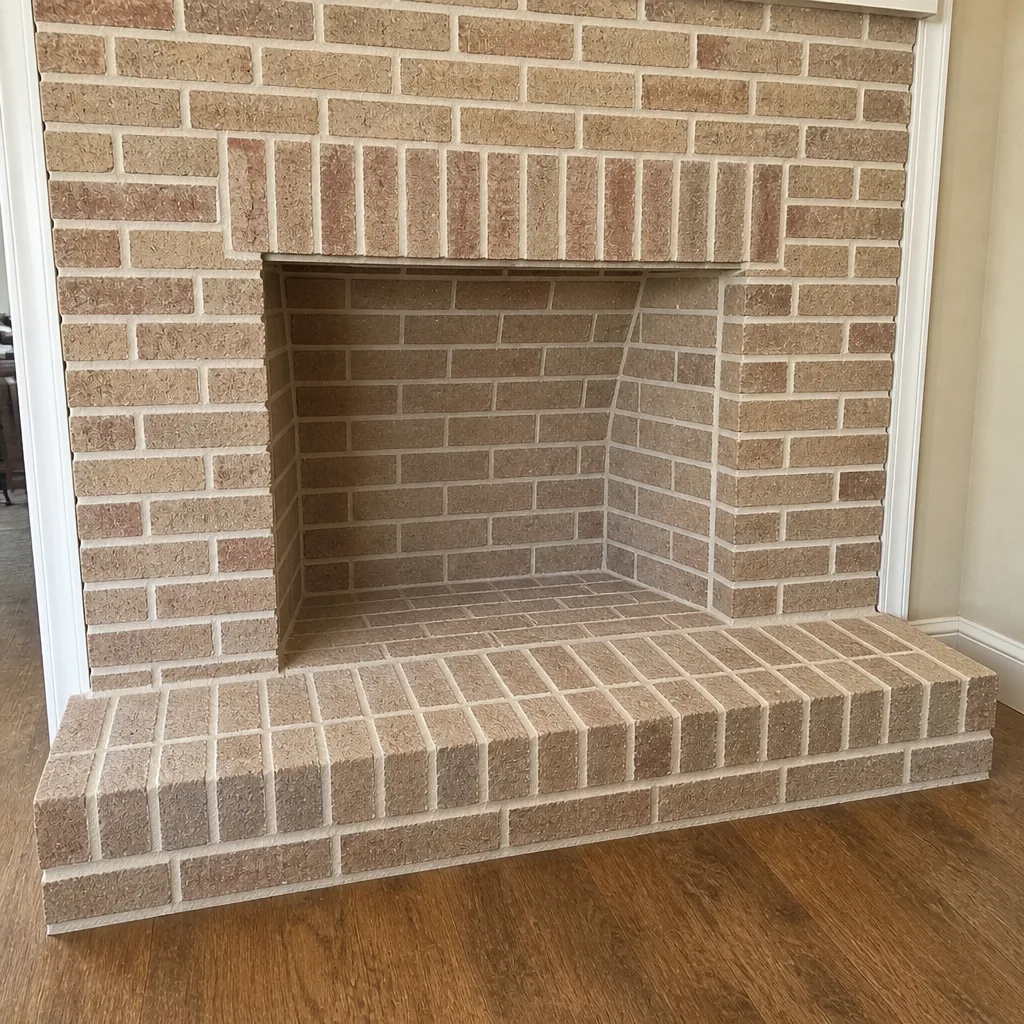 After
When to Call a Professional
Call a professional chimney company when the job involves the flue interior, the roof, or any question you can’t answer with your own eyes. That means: you haven’t had the chimney inspected in over a year; you’ve had a chimney fire or noticed a strong creosote smell; you’re seeing cracked mortar or staining on the exterior; your fire draws poorly or smokes into the room; a cap is damaged or missing; or you’re buying or selling a home and need documentation. Concord Chimney Cleaning offers free estimates in Concord, and one company handles the sweep, spots the problem, and makes the repair on the same call. Call (866) 665-4951. We answer 24/7. Fast dispatch from 7am to 7pm, Sunday through Friday.
Frequently Asked Questions
You can safely brush the firebox and do a ground-level visual check on your own, but you shouldn’t clean the full flue without a professional inspection at least once a year, because a sweep alone can’t tell you whether the liner is intact. If you sweep yourself, book the inspection separately so the flue condition gets assessed by someone with camera equipment. Call (866) 665-4951 for a free estimate on the inspection.
Most wood-burning chimneys in Concord should be swept and inspected once a year, and more often if you burn frequently or use unseasoned wood. Gas and solid-fuel appliances have their own inspection intervals, so it’s worth asking when you book. The annual inspection is the part that catches liner problems early; the sweep is what keeps creosote from building to a dangerous level. Call (866) 665-4951 for an exact quote; estimates are free.
You need a new liner when the camera footage shows cracks, gaps, or separated joints that can’t be restored, and you should ask to see that footage before agreeing to anything. In many cases a deteriorated liner can be restored instead of replaced, which is where HeatShield resurfacing comes in; full replacement is reserved for liners that are too far gone. Nothing should be recommended without camera evidence you can see for yourself, and a good technician will tell you when a repair can safely wait. Call (866) 665-4951 to have your flue assessed.
Creosote builds up in the flue, and at the glazed stage it becomes a fuel that can ignite, while undetected liner cracks let heat and carbon monoxide reach the framing of the house. Skipping maintenance doesn’t guarantee a fire, but it removes the early warning that catches the problem while it’s still a repair. It also leaves you with no documentation if something goes wrong. Call (866) 665-4951 for an exact quote; estimates are free.
It depends on the policy and the circumstances, but insurers generally expect reasonable maintenance of home systems, and a professional record of sweeps and inspections carries real weight after a fire. A homeowner with no documentation has a harder time showing the chimney was maintained. The safest approach is to keep a written record from a professional inspection alongside your own between-season checks. If you’re unsure how your policy treats it, ask your carrier directly. Call (866) 665-4951 to schedule the inspection that produces that record.
Yes, in most cases the professional sweep and inspection catch exactly what a DIY sweep can’t: liner condition, creosote type, offsets, and smoke chamber damage. Once those are visible, the right repair can be planned, whether that’s a HeatShield resurfacing job, a DuraFlex flexible liner install, or a simpler cap and cover fix using Gelco or Olympia Chimney products. One company handles the sweep, the inspection, and the repair, so nothing gets found and then left undone. Call (866) 665-4951 for a free estimate.
The Bottom Line
The DIY vs professional question has a clean answer once you separate the tasks. Homeowners can own the firebox brushing, ash removal, damper checks, and ground-level visual inspections, and doing those well supports the annual visit. What no homeowner can do is assess the flue liner with their own eyes, and that’s the assessment that determines whether the fireplace is safe to use. The hybrid approach is the one that works: homeowner checks between seasons, professional sweep and inspection once a year as the anchor, and a single company that can sweep, inspect, and repair so nothing gets found and then left undone. That’s the model we work on in Concord, and it’s the one we’d recommend to our own families.
Concord Chimney Cleaning is a full-service chimney specialist working with professional-grade product lines including DuraFlex, HeatShield, Gelco, Olympia Chimney, Famco, and Copperfield. Our technicians have up to 10 years of experience. Call (866) 665-4951 for a free estimate. We answer 24/7. Fast dispatch from 7am to 7pm, Sunday through Friday.
Written by the team at Concord Chimney Cleaning.